Reported execution: movement became cursor control
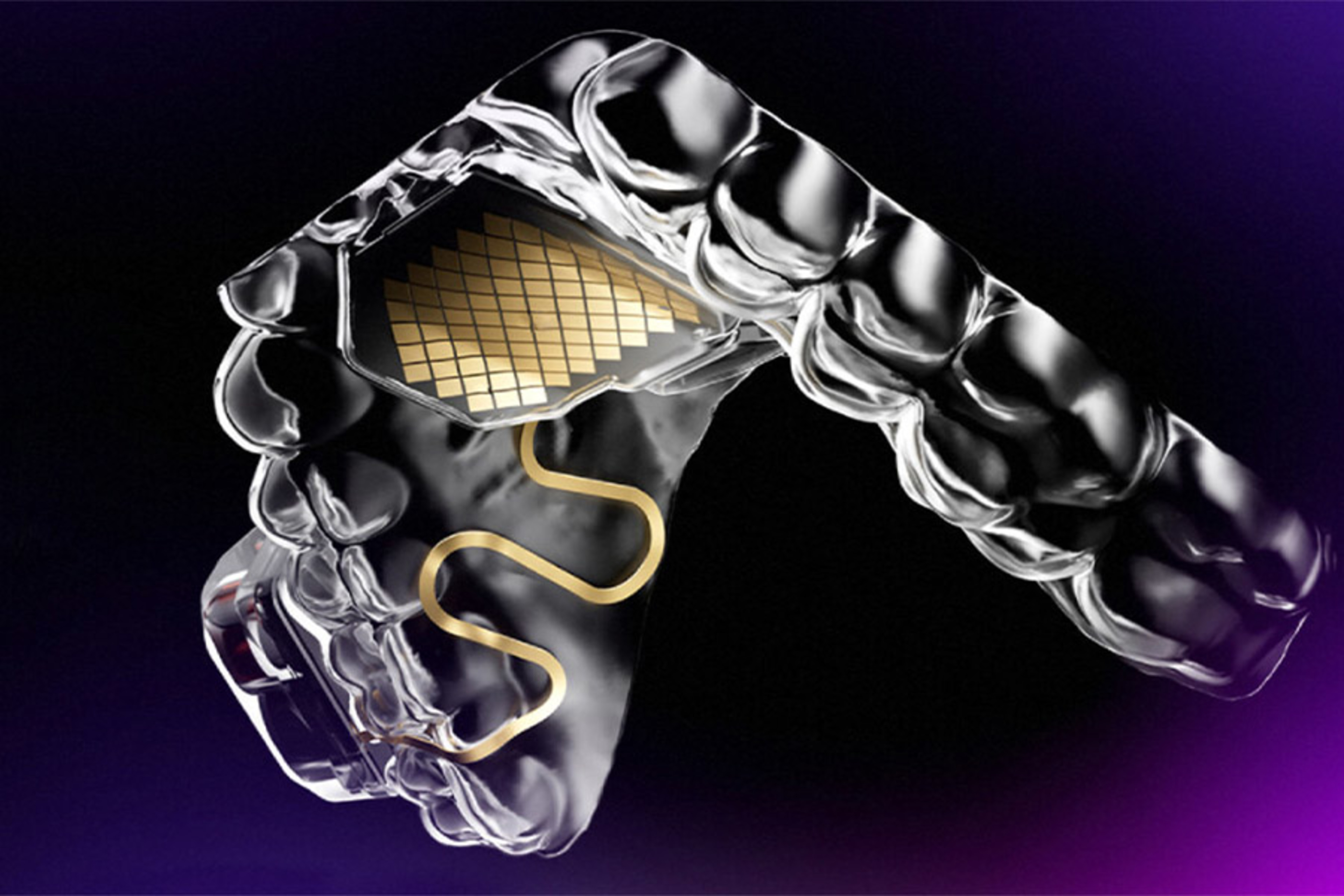
WPP describes MouthPad as a custom-fit mouthpiece for people who cannot readily use a keyboard, mouse or touchscreen. Its installed trackpad chip tracks tongue position and movement through machine learning, then sends cursor commands to devices over Bluetooth. The 2023 launch put that mechanism at the centre of its product story.
This belongs in the archive because the model’s job is functional and concrete: it translates a user’s movement into a reliable digital action.
Our reading: accessibility claims need user authority
Assistive technology cannot be judged from a striking demo alone. Comfort, fit, fatigue, privacy, calibration and repairability determine whether a device expands autonomy in ordinary use. The WPP account says people with disabilities informed the universal-design process; that consultation should remain visible in any launch narrative.
The strongest creative choice is restraint. A user is not proof that a technology is miraculous. Their needs define the product standard.
Evidence boundary: visibility is not usability evidence
WPP reports earned-media, traffic and waitlist figures, but its public case does not provide independent clinical, accessibility or long-term reliability evidence for the device.
The case supports a marketing lesson, not a medical claim: when machine learning mediates an assistive interface, marketing must describe the function accurately and leave users’ lived experience in charge of the verdict. Product teams should distinguish launch attention from independently observed usability, and state fitting, support and replacement conditions in language prospective users can act on. Accessibility messaging deserves that practical precision after the launch window closes, because a capable interaction model is only one part of a dependable daily tool for users.
Sources & limits
WPP agency case study; waitlist, traffic and impression figures are self-reported campaign outcomes.
- WPP — Augmental’s MouthPad^ — source publication date not stated.
Send a correction with the passage and supporting source.