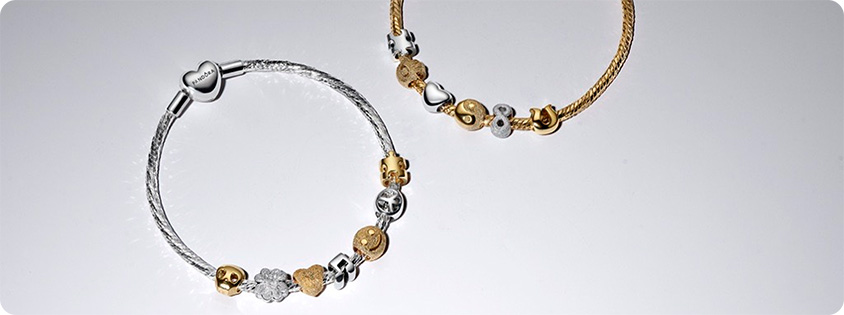
Pandora and Microsoft Advertising used Copilot, inclusive language and preference testing to make search copy feel more emotionally specific—showing an AI advertising workflow that changes the message, not the product image.
IKEA and Carat consolidated product-line campaigns in Microsoft Advertising’s Performance Max workflow, pairing product imagery with audience signals and automated optimization to simplify a fragmented path to purchase.
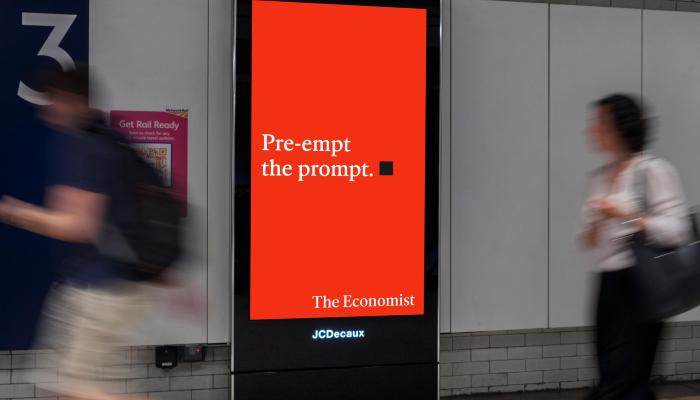
The Economist and Cocogun returned to white-on-red OOH to turn AI-driven information overload into a case for human judgment, using concise lines in New York, Chicago and London.
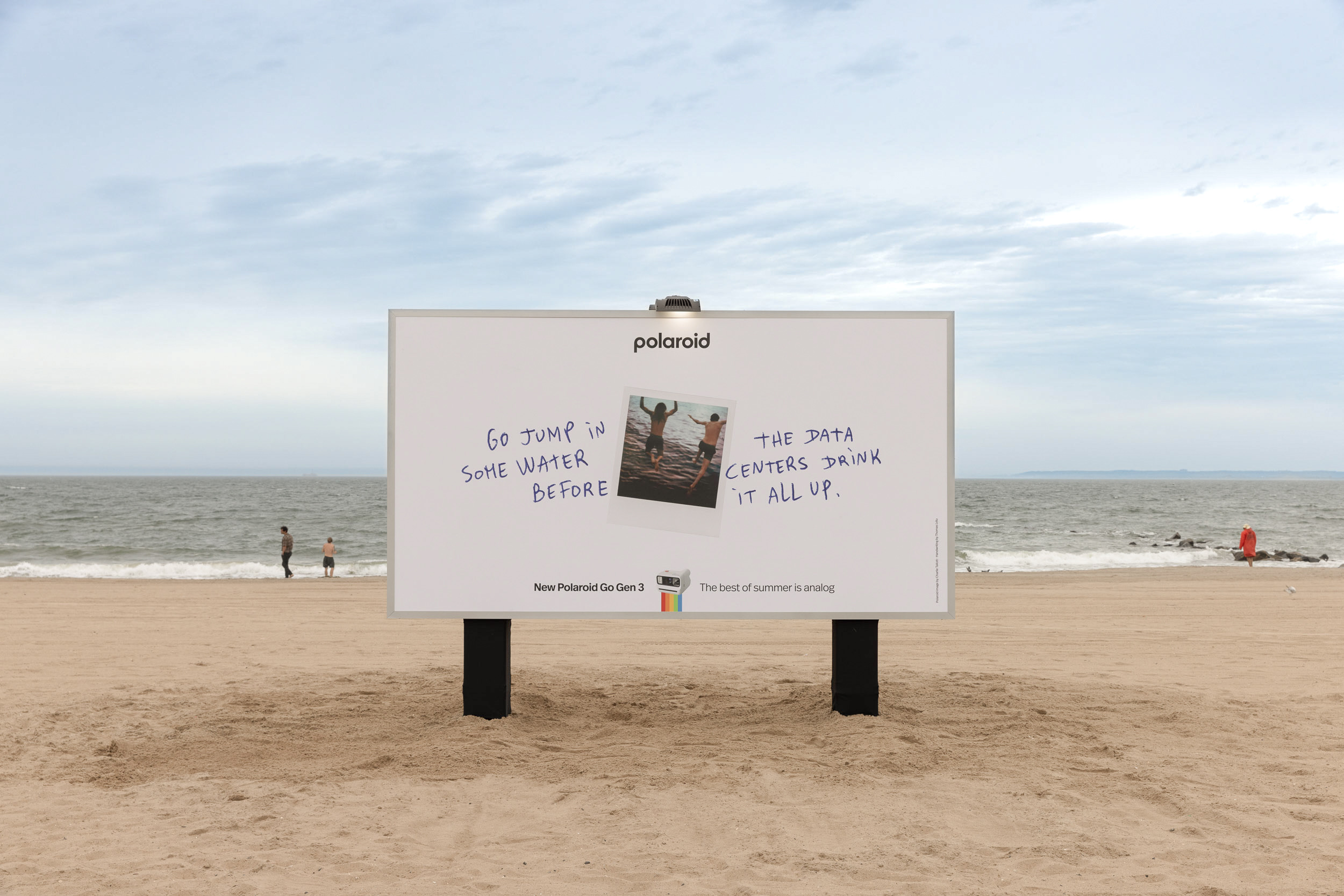
Polaroid’s Best of Summer Is Analog campaign used a beach billboard, handwritten copy and a real camera launch to turn anxiety about screens, data centres and AI into a pro-human invitation to make physical memories.
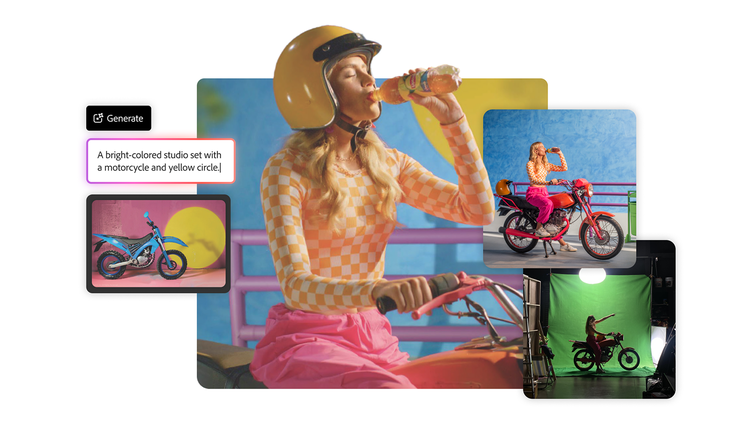
Across Latin America, Critical Mass used Firefly to explore a large set of visual directions before a real-model production—an example of generative AI doing pre-production work rather than replacing the finished shoot.
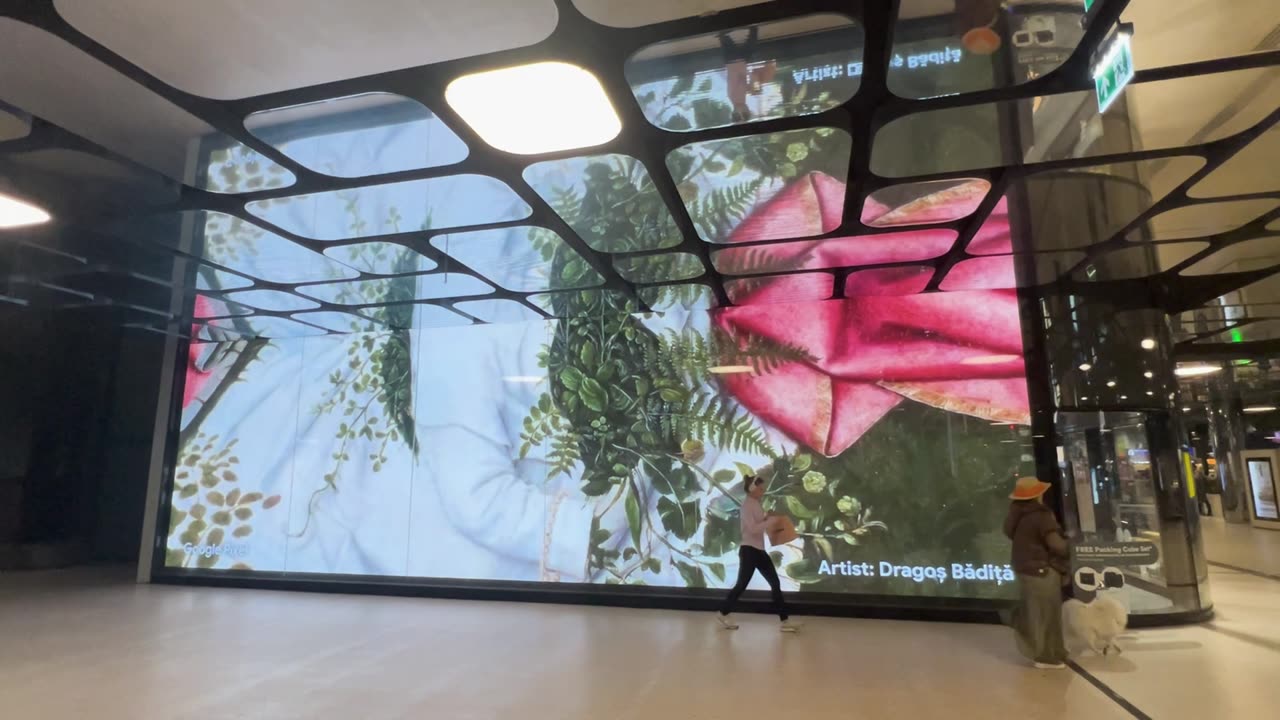
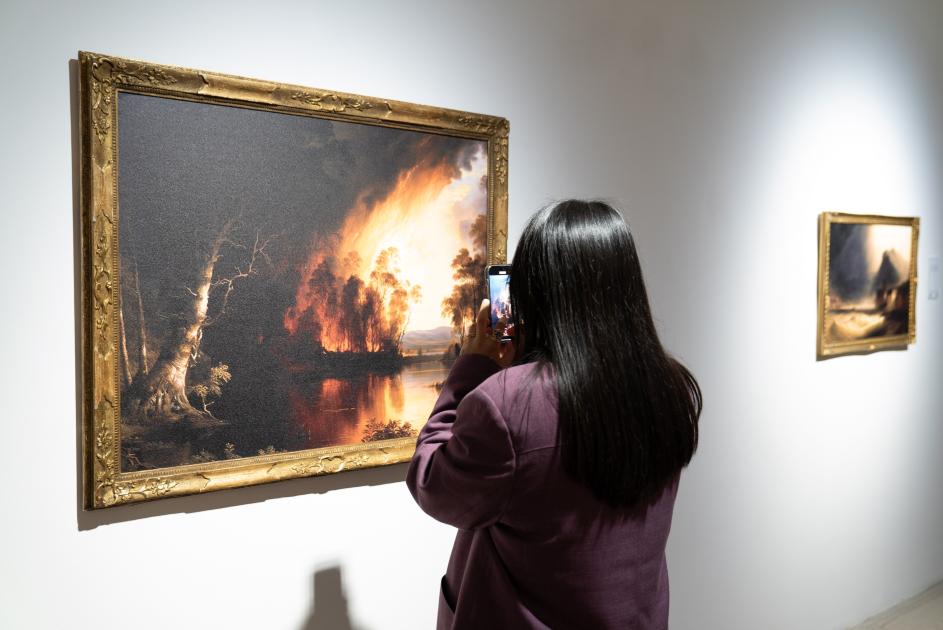
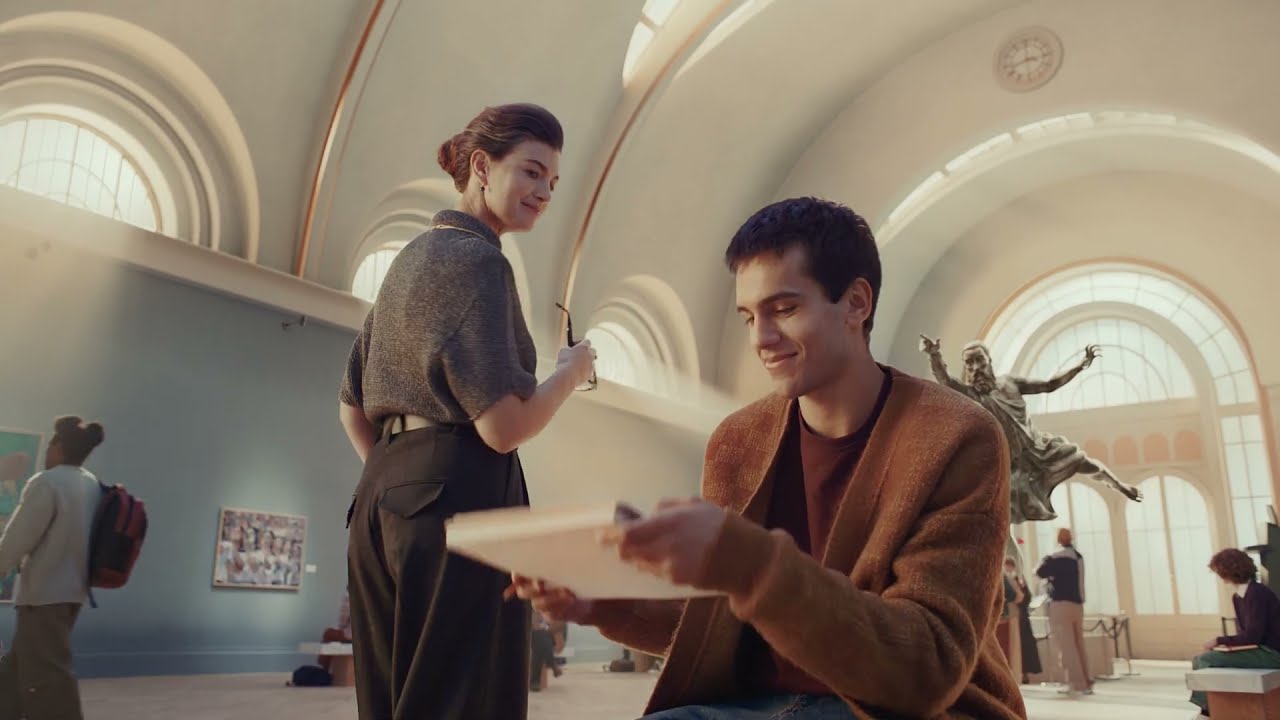
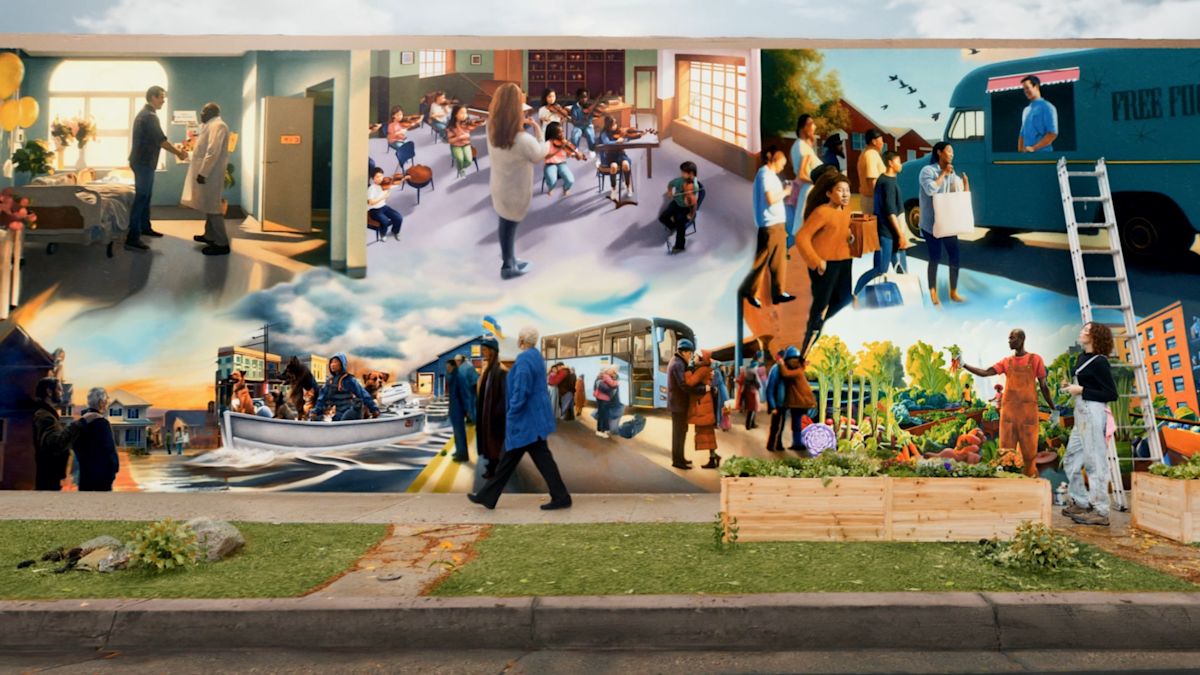
Google, KPN, the Rijksmuseum and Artcrush invited the public to remix museum masterpieces with Google AI tools, then made the winning work visible through a national digital-billboard trail and a museum exhibition.
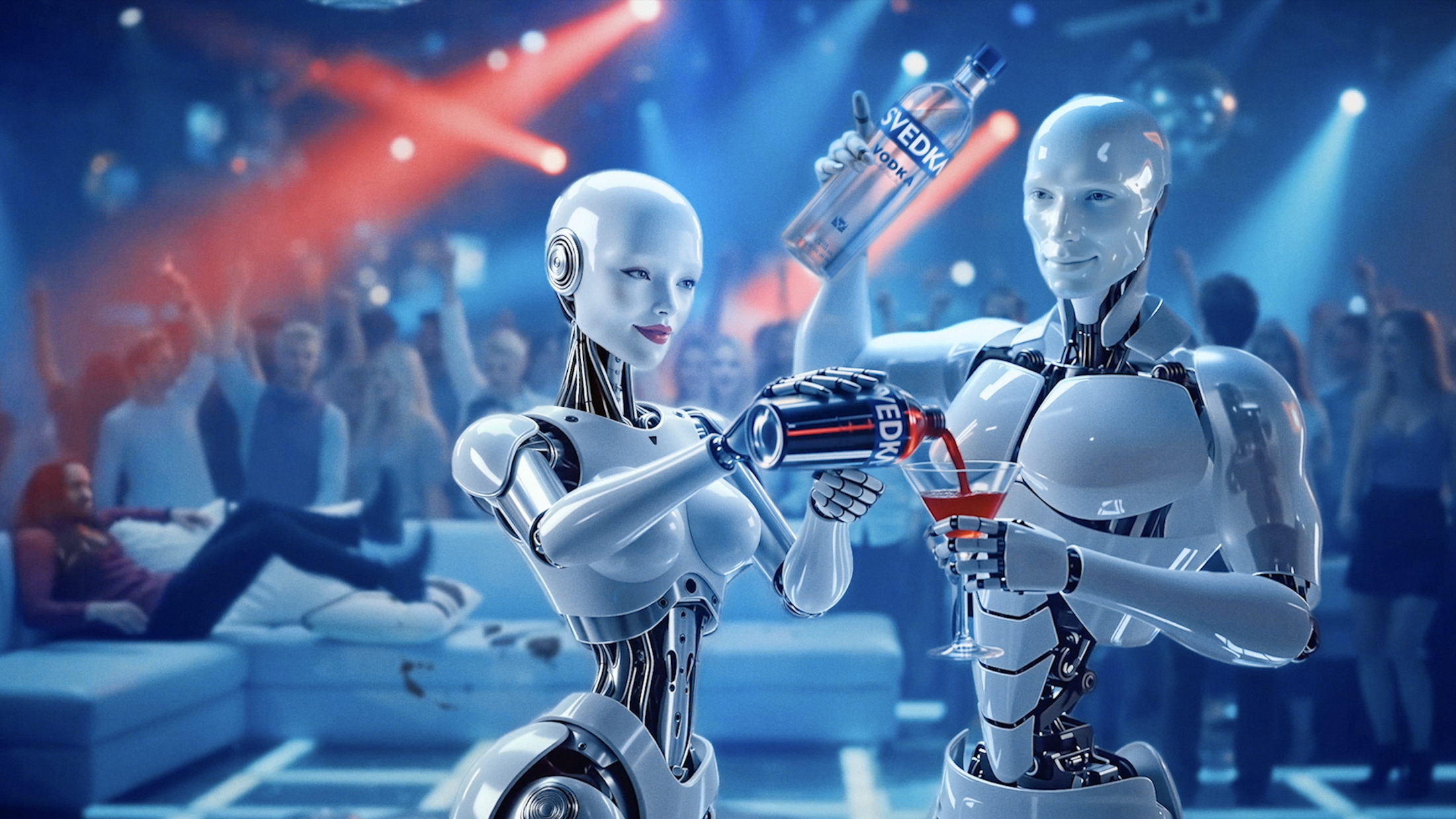
For its Super Bowl debut, Svedka and Silverside revived the Fembot with a new BroBot sidekick, using human movement as the base for a primarily generative-AI film rather than treating generation as an unsupervised shortcut.
Mother’s Super Bowl campaign for Claude imagined ads intruding into vulnerable AI conversations, turning an industry policy question into a comic demonstration of what Anthropic said Claude would not do.
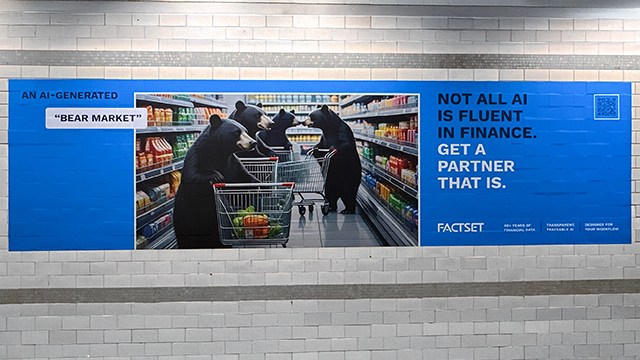
FactSet and VSA Partners put intentionally imperfect AI-generated finance images into New York out-of-home placements, using the visual failures as a warning about applying generic AI to specialist market questions.
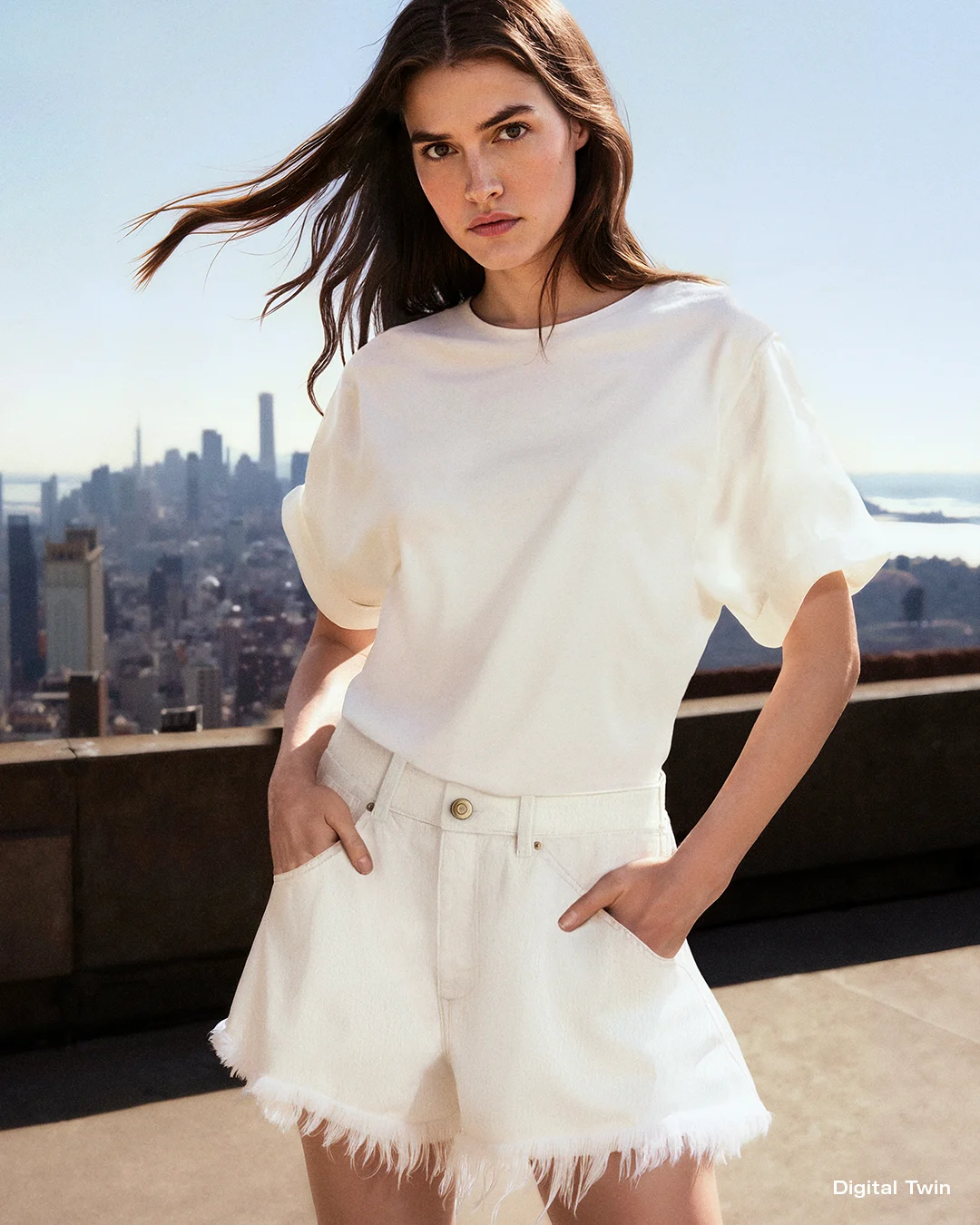
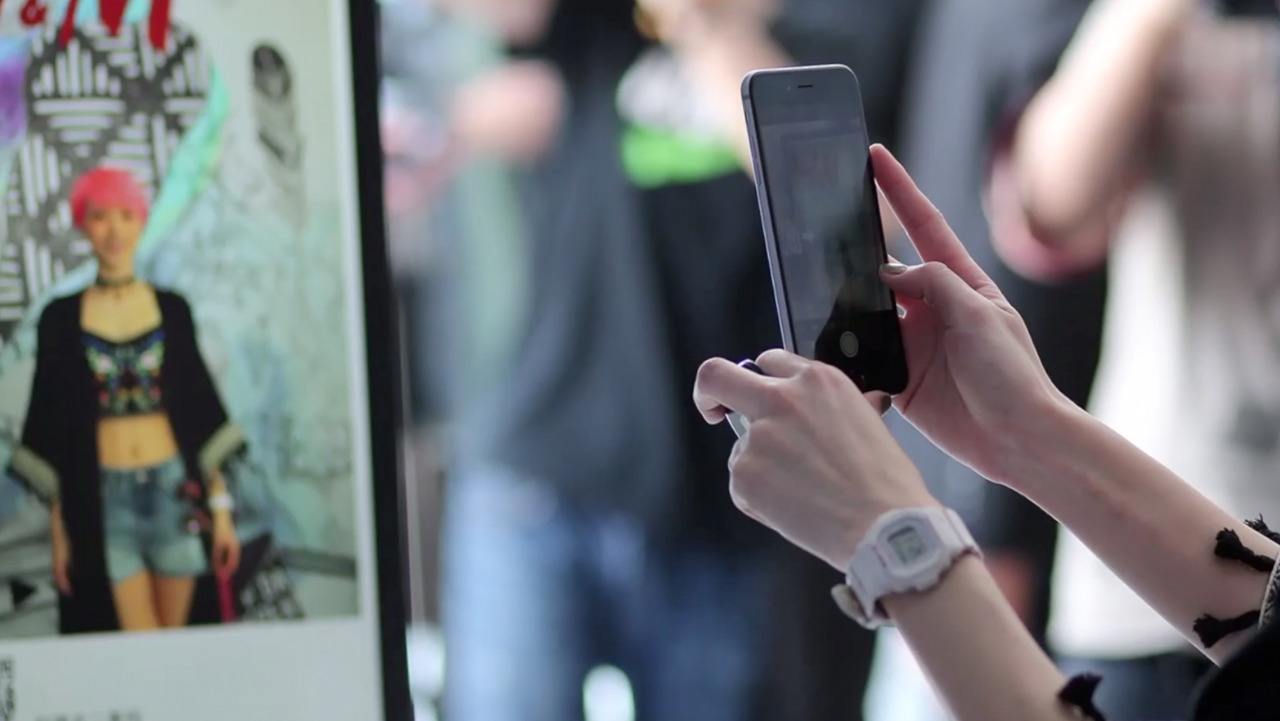
H&M published its first campaign images featuring digital twins on 2 July 2025, pairing denim imagery with a behind-the-scenes film and a stated human-led creative process.
At SXSW London, Jellyfish used a connected AI workflow to create Moodlings, a fictional mood-boosting gummy brand, from brief and strategy through packaging, OOH and a 30-second film in one day.
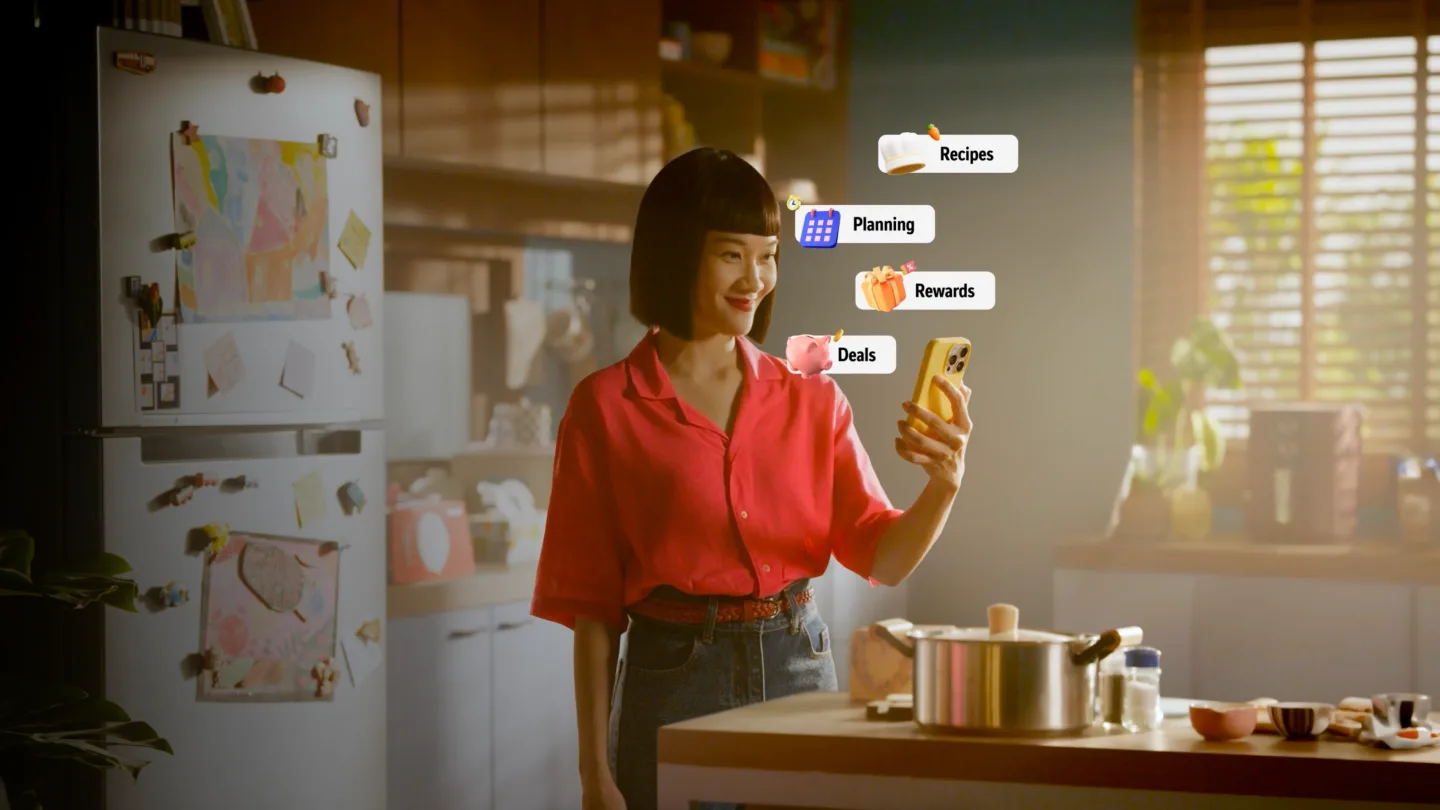
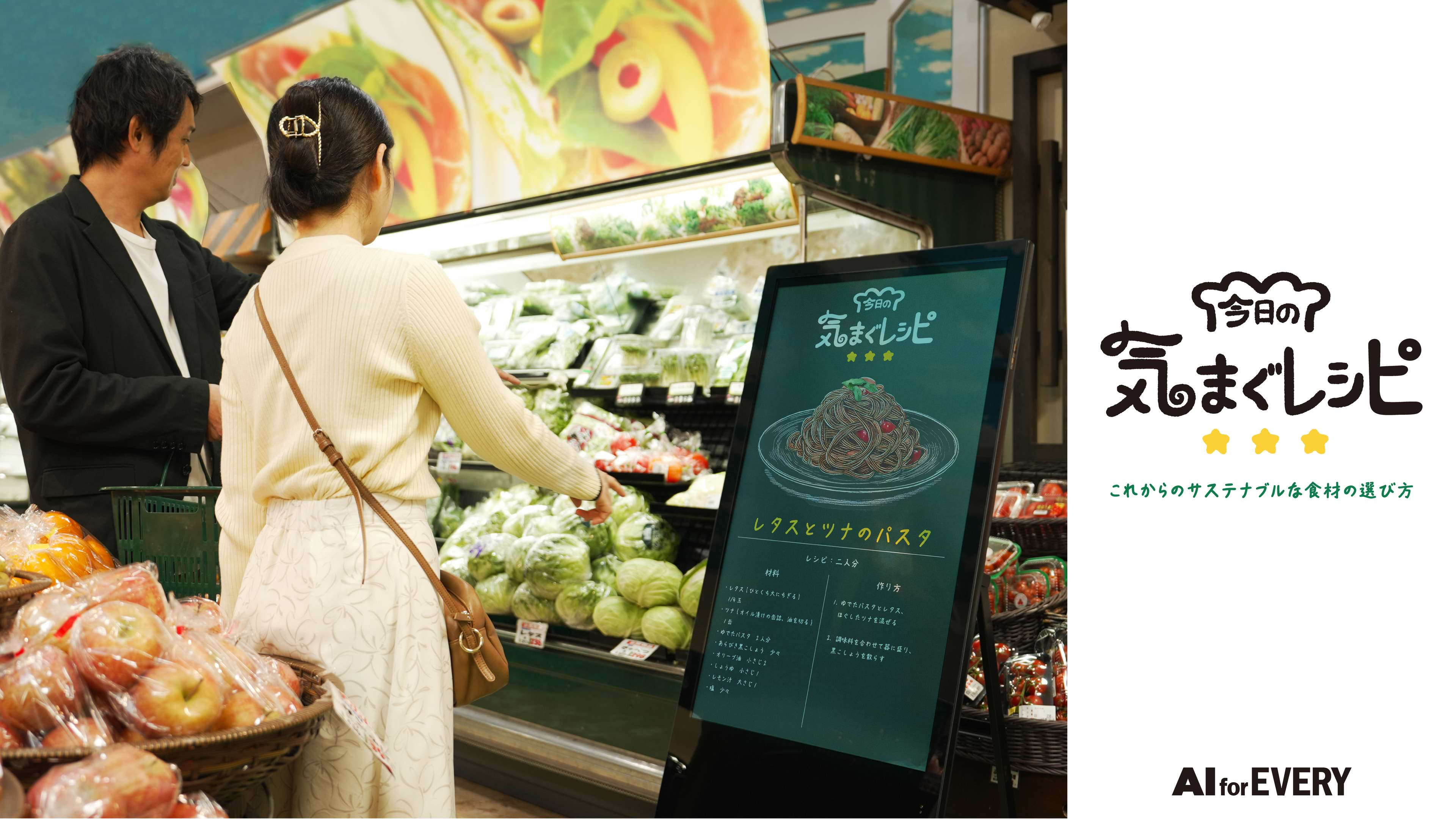
Hitachi and dentsu’s first AI for EVERY offering paired food-demand forecasting with generated recipe suggestions delivered through retail signage and apps.
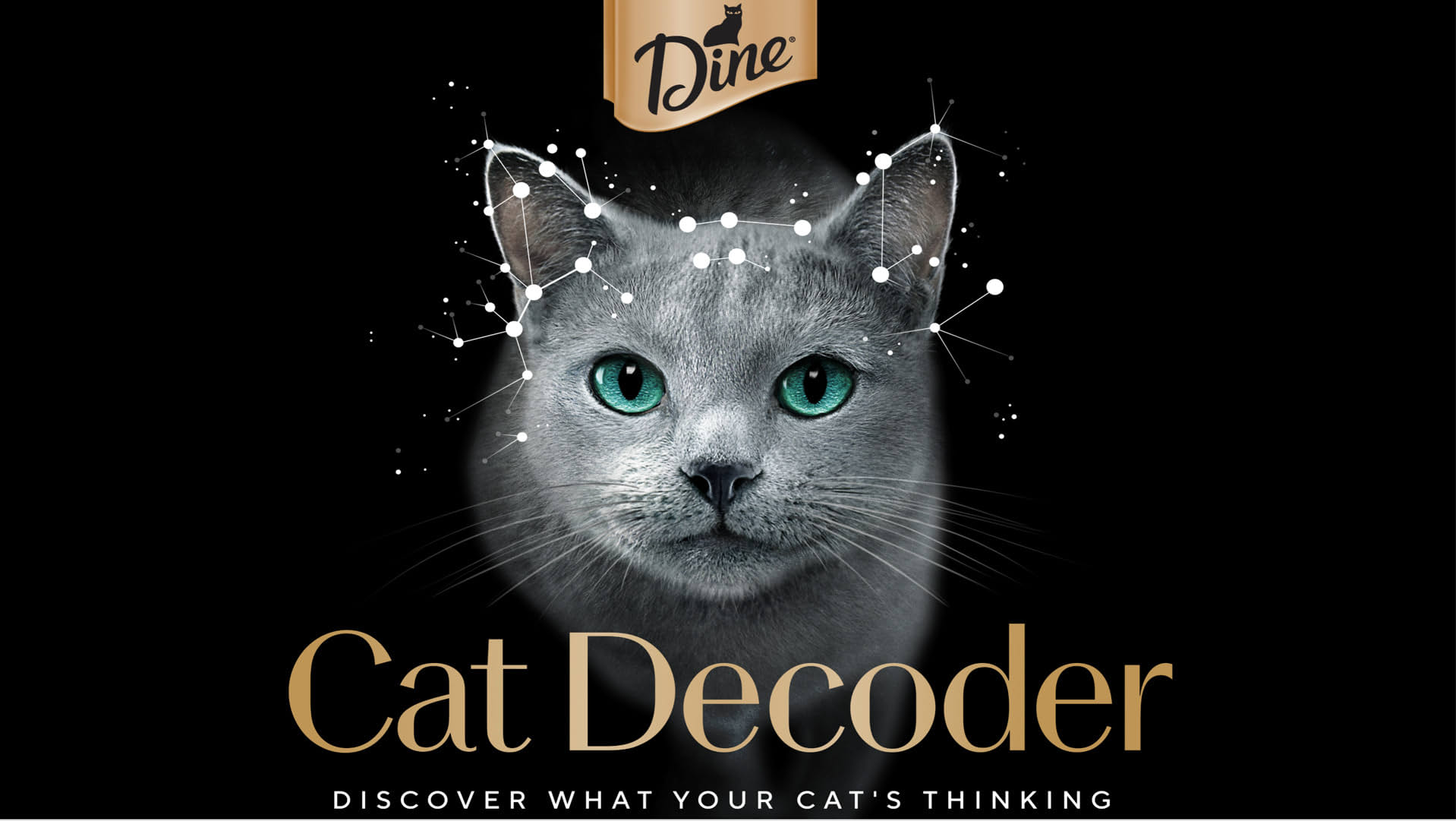
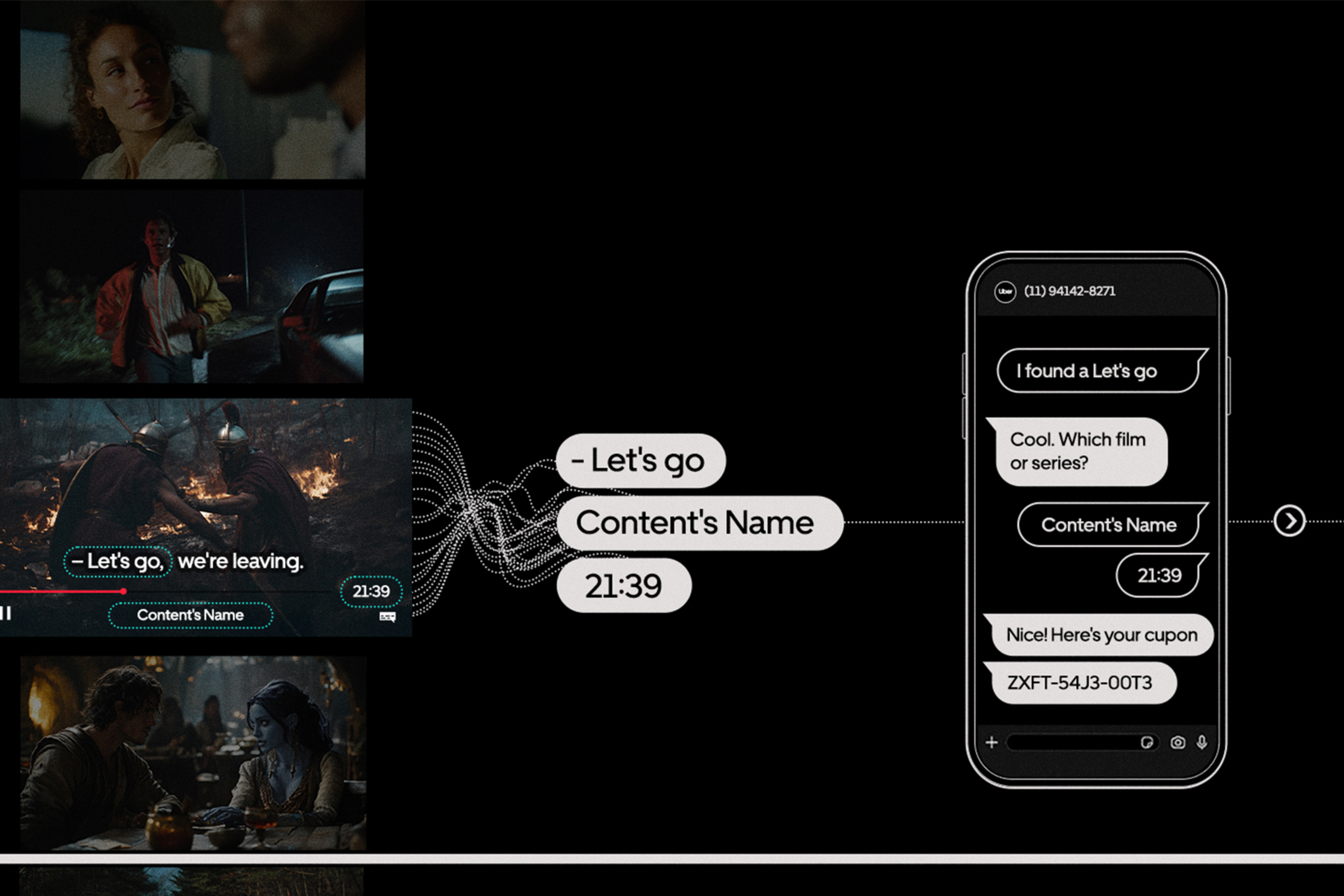
Mars DINE used an AI-powered Cat Decoder to turn an uploaded cat photo and owner-selected behaviors into a playful personalized video, then connected that experience to Prime Video, retail media and creator distribution.
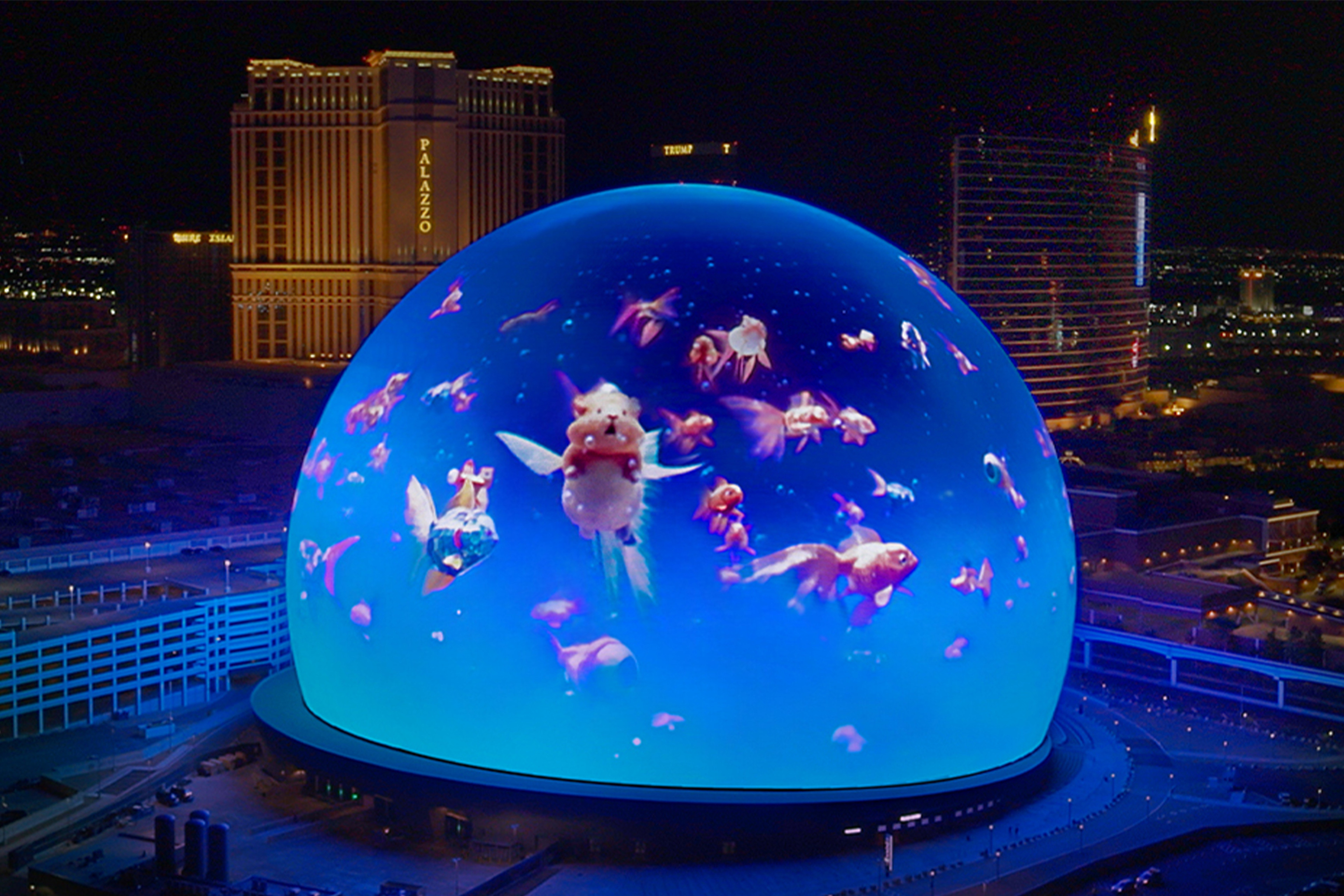
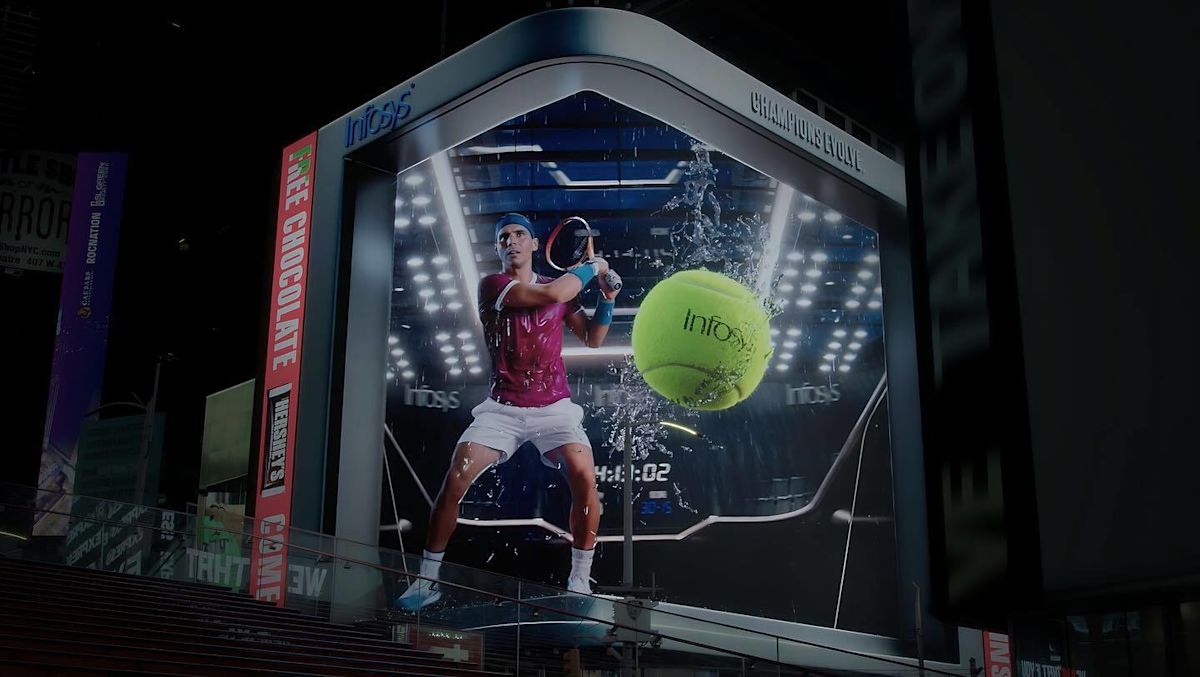
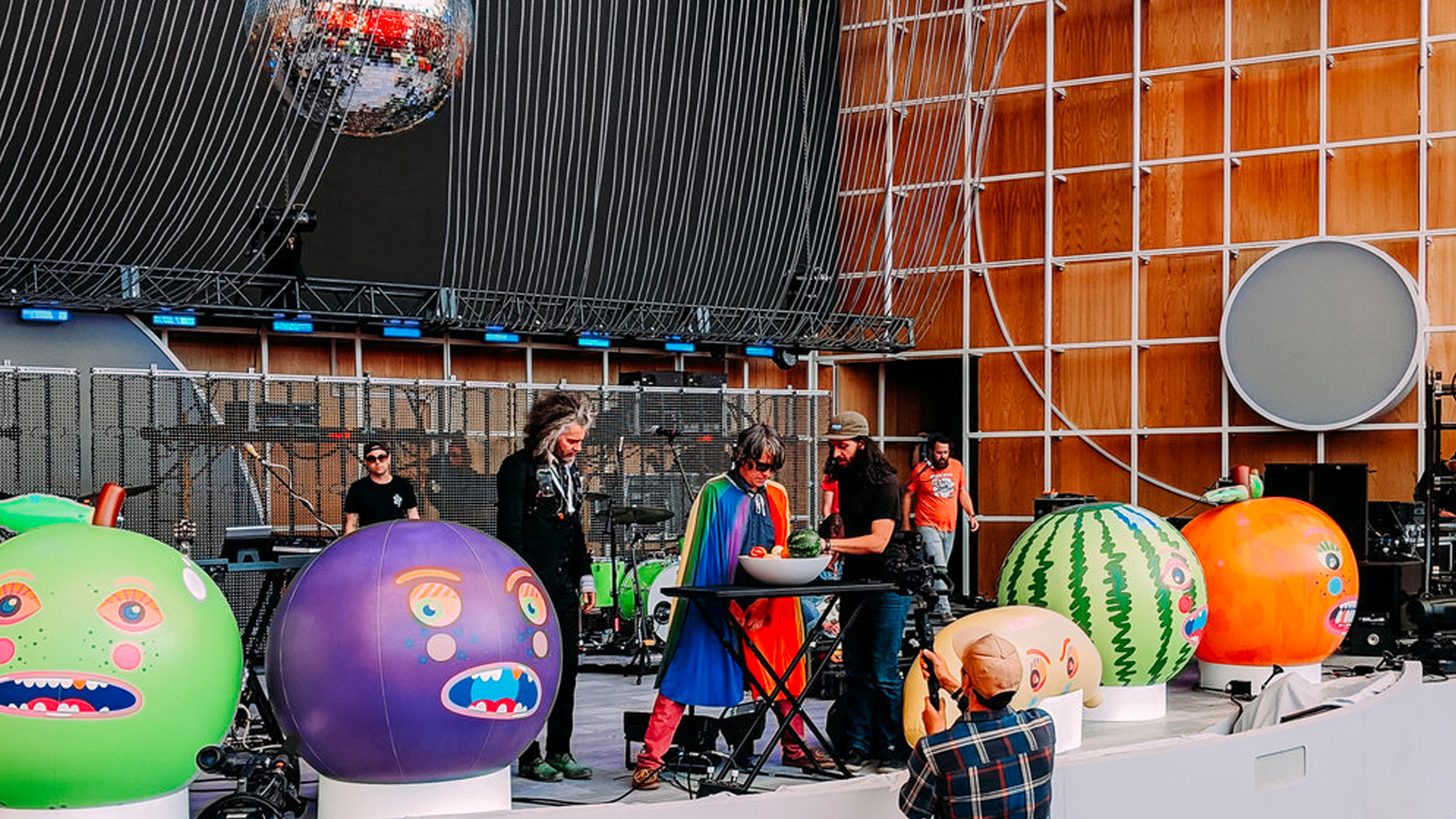
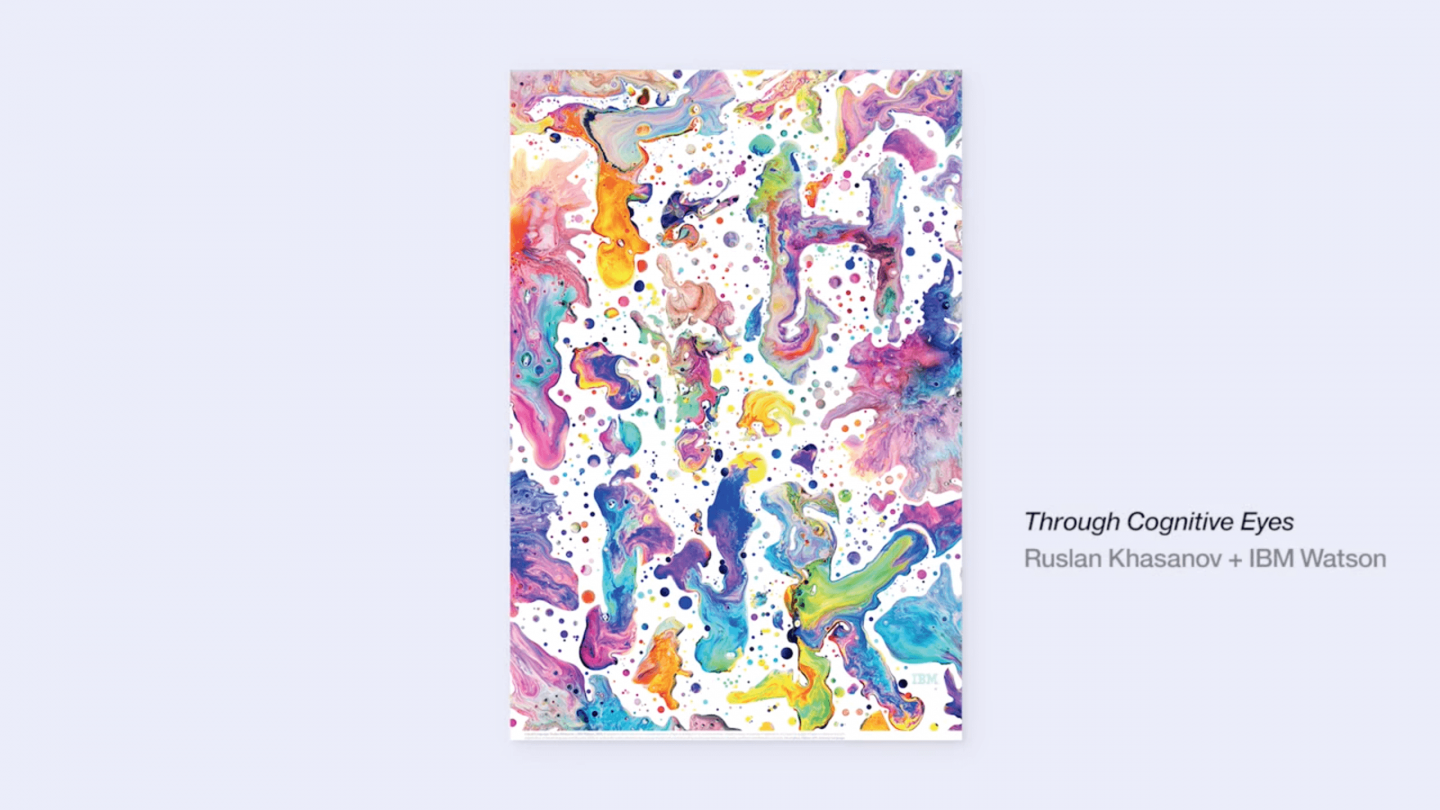
IBM and Adobe used Firefly-made surreal fish across the Las Vegas Sphere, summit environment and a mobile experience to make AI trust and governance physically legible.
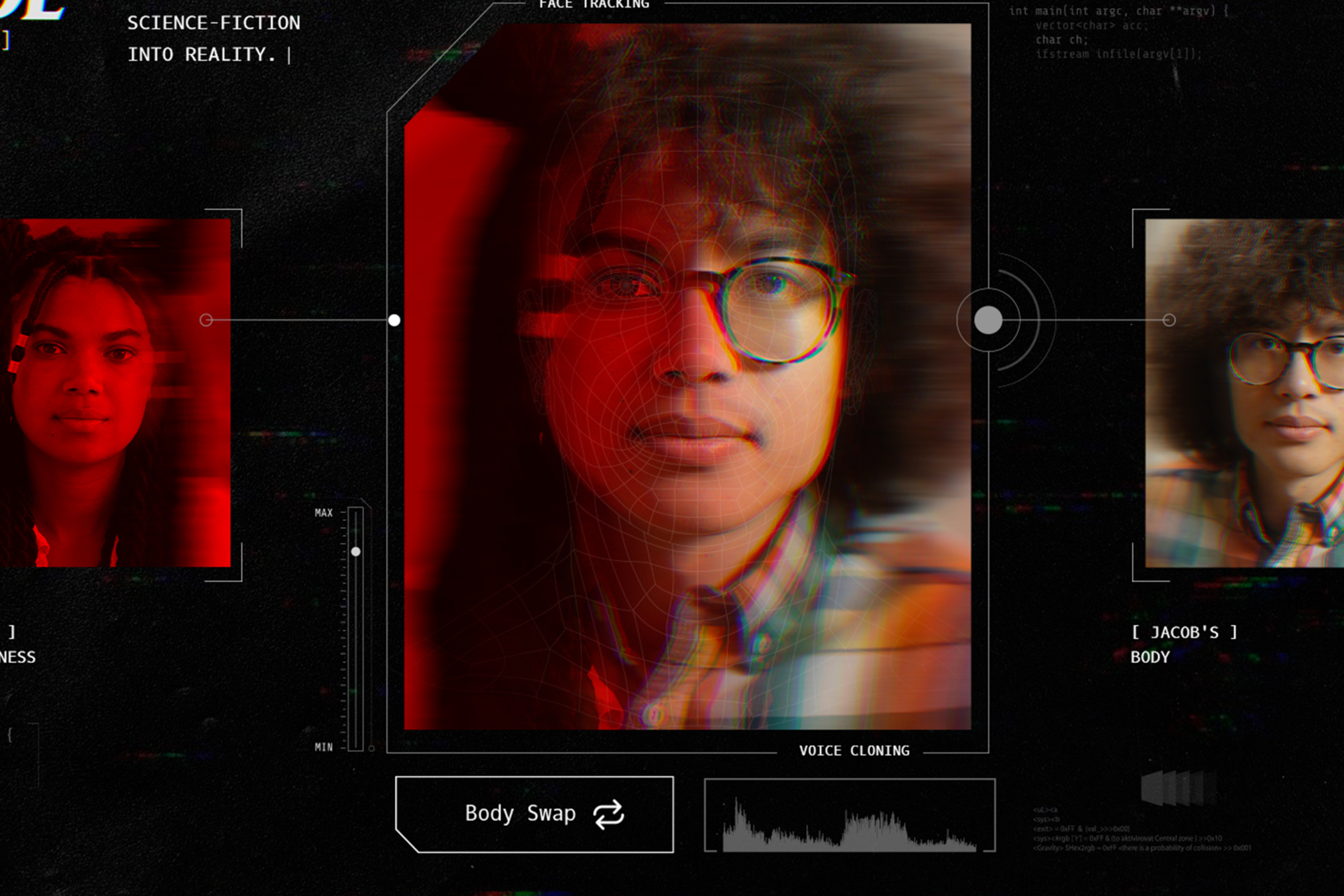
AKQA’s promotional experience for Netflix’s It’s What’s Inside used face modelling and voice cloning to let up to six friends imitate one another inside a private body-swap game.
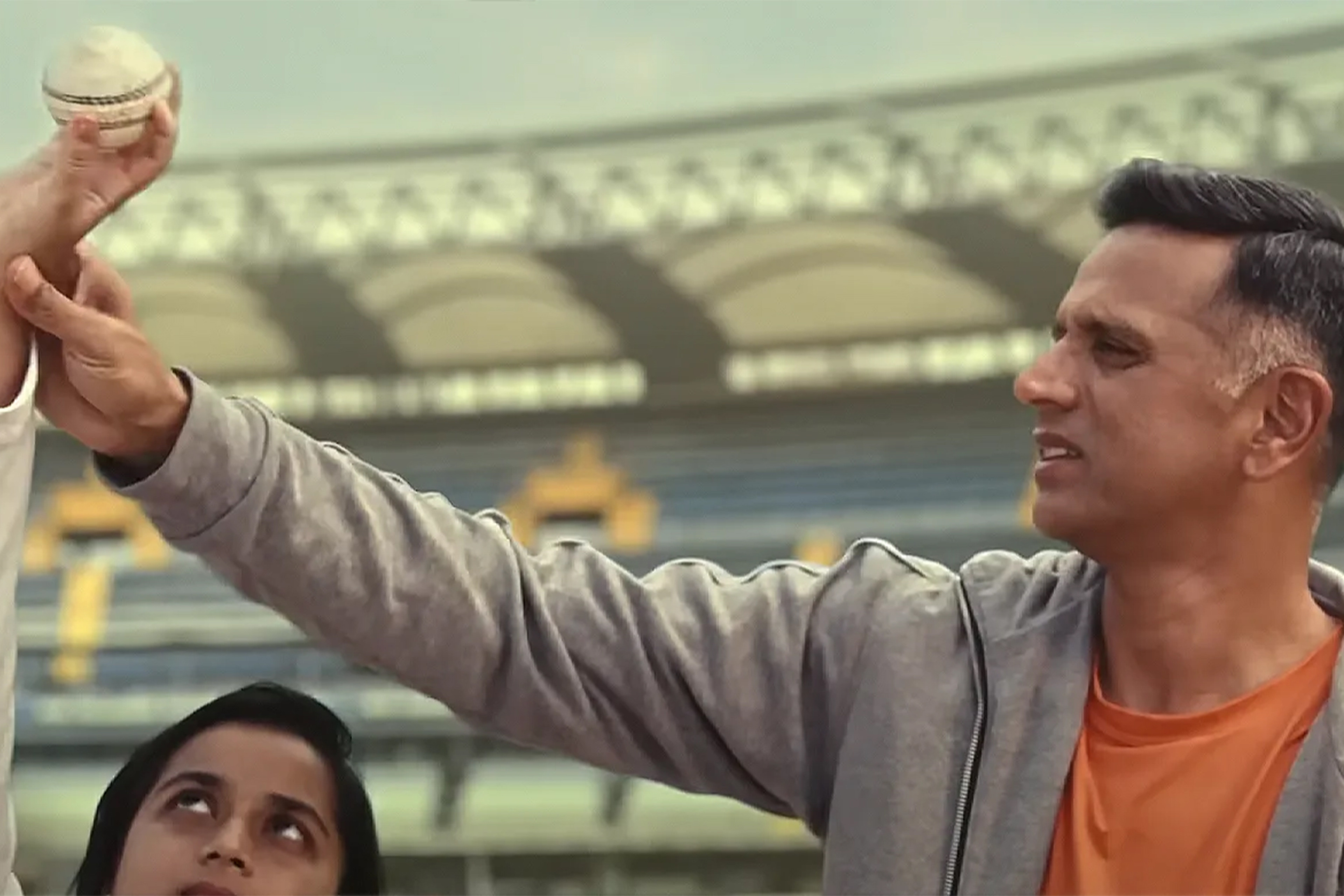
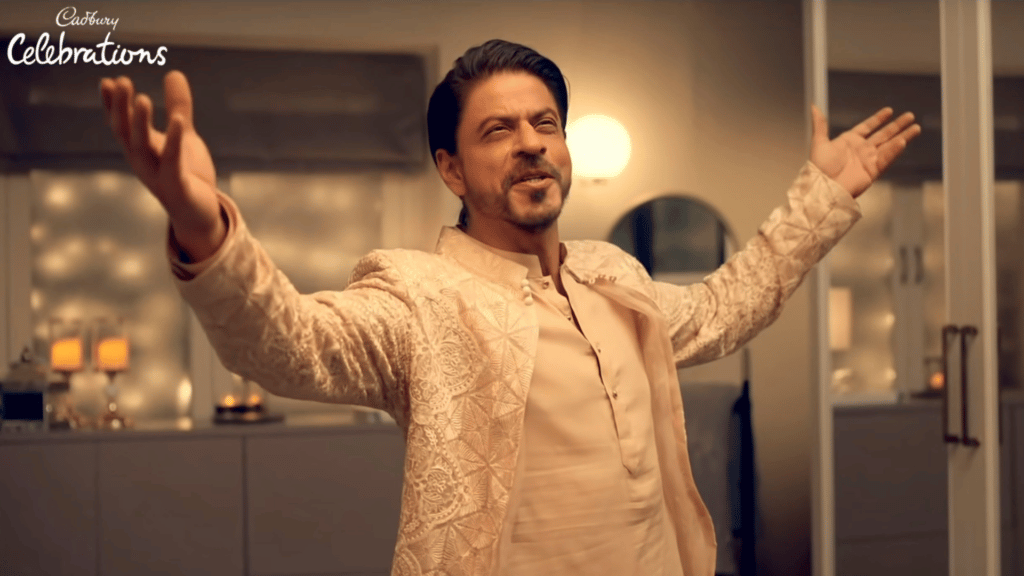
Cadbury Bournvita used AI motion analysis in a microsite where children uploaded cricket-shot videos and received personalized coaching tips associated with Rahul Dravid.
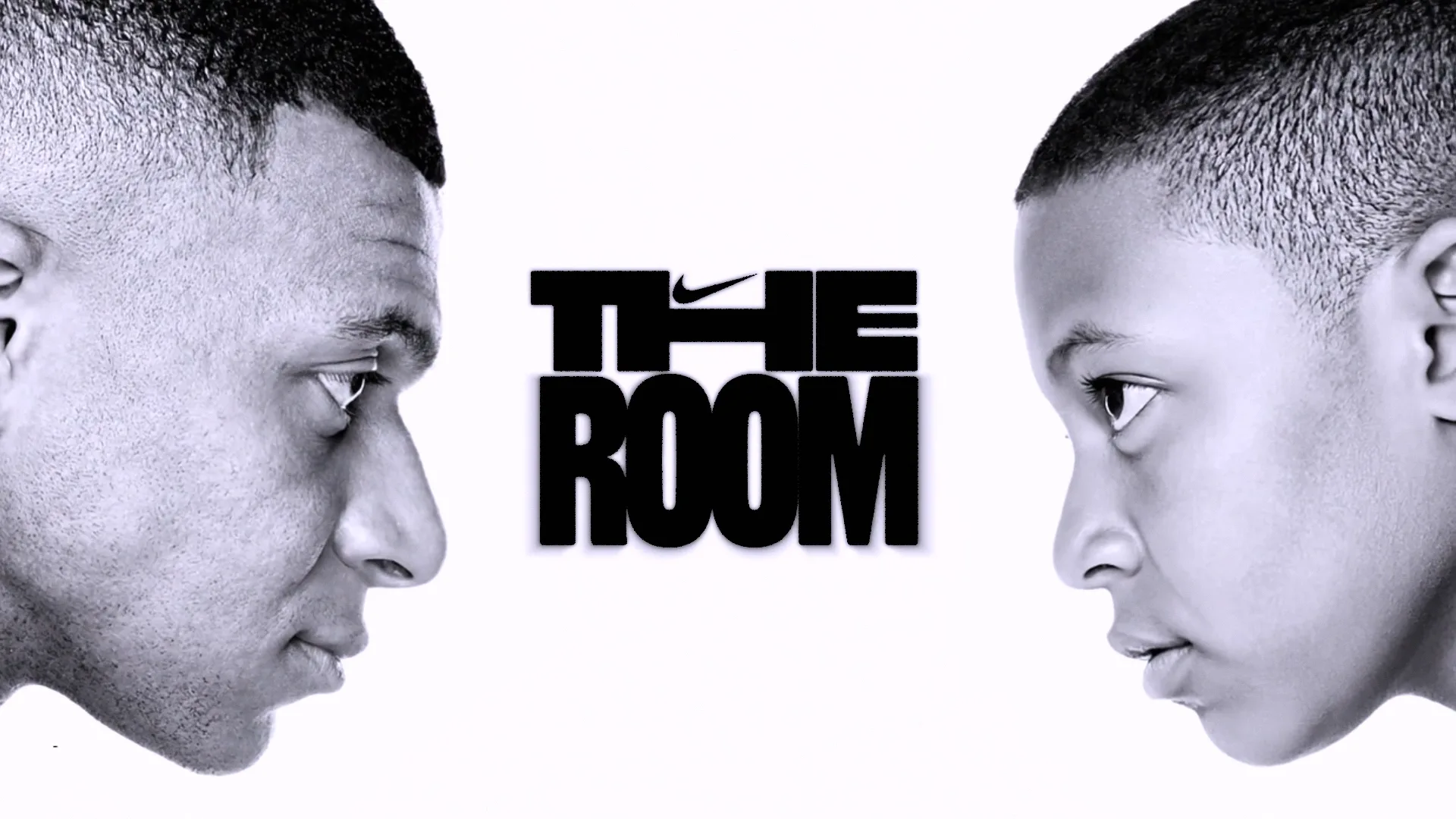
AKQA reimagined Kylian Mbappé’s childhood bedroom as an immersive Nike Mercurial launch where an AI version of young Mbappé guided challenges and tailored content.
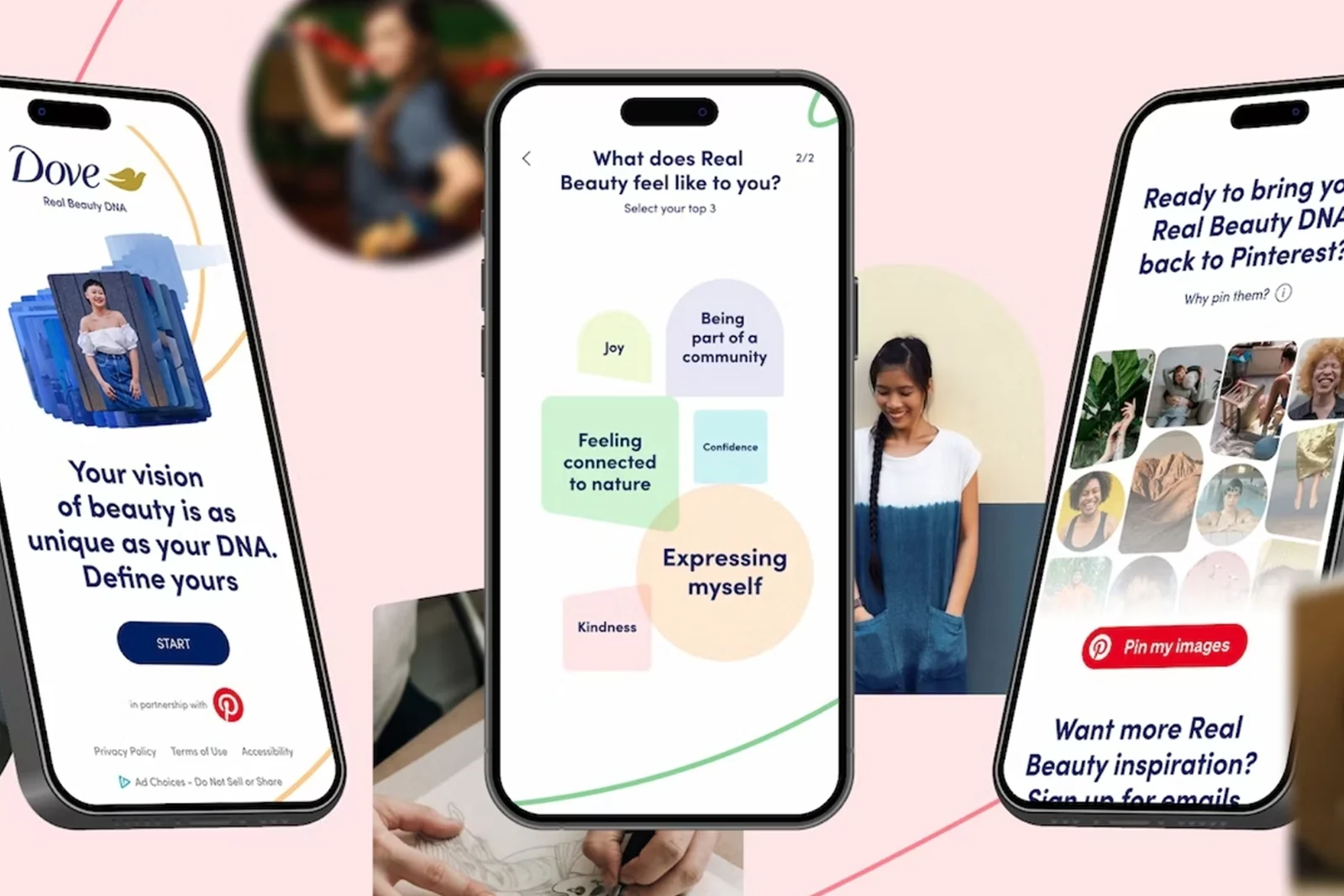
Dove and Mindshare used a Pinterest experience to invite personal definitions of beauty. This file follows WPP's 2025 case-study classification; it does not assign an unverified first-launch date.
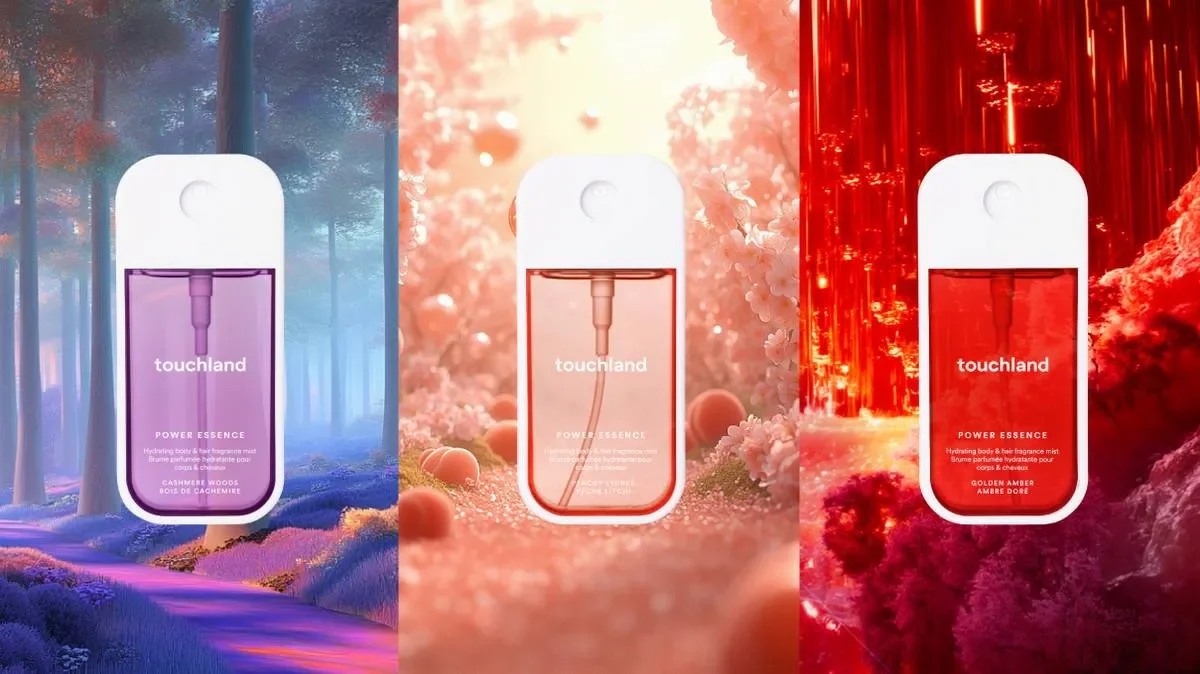
Touchland and WITHIN connected fragrance, travel and a sweepstakes through colorful generated worlds. The visual conceit made an unseen product quality visible without turning scent into a literal demonstration.
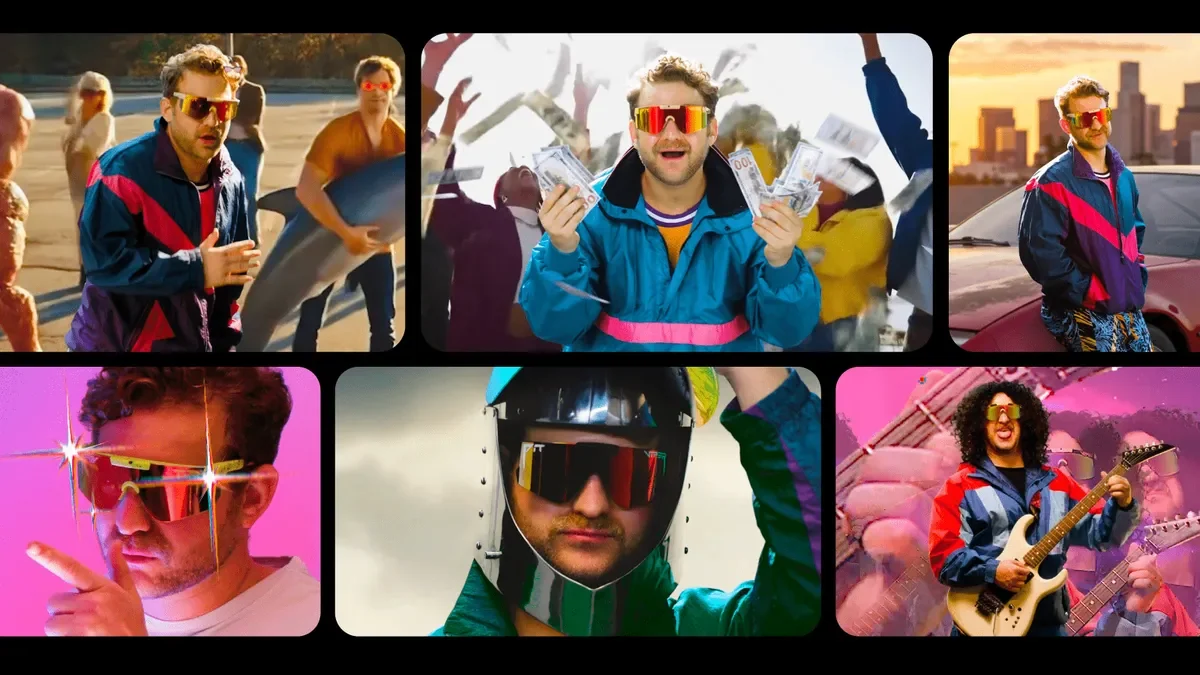
DEPT used generated video to move Pit Viper's performance story into deliberately ridiculous territory. The useful creative question is how to make impossible scenes feel unmistakably like one brand.
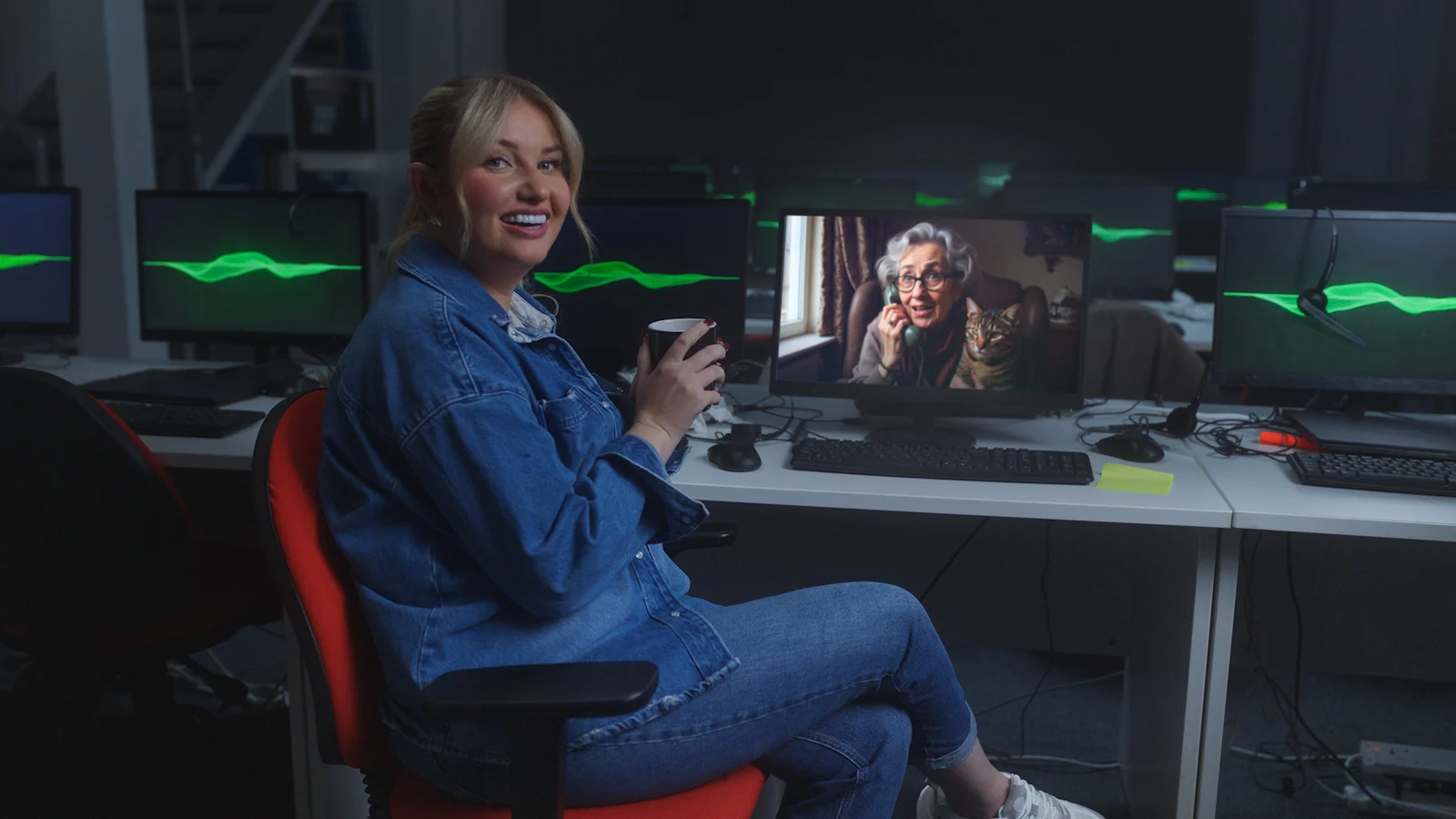
O2 introduced Daisy, an AI 'granny' designed to answer suspected scam calls with real-time, deliberately meandering conversation as part of its Swerve the Scammers campaign.
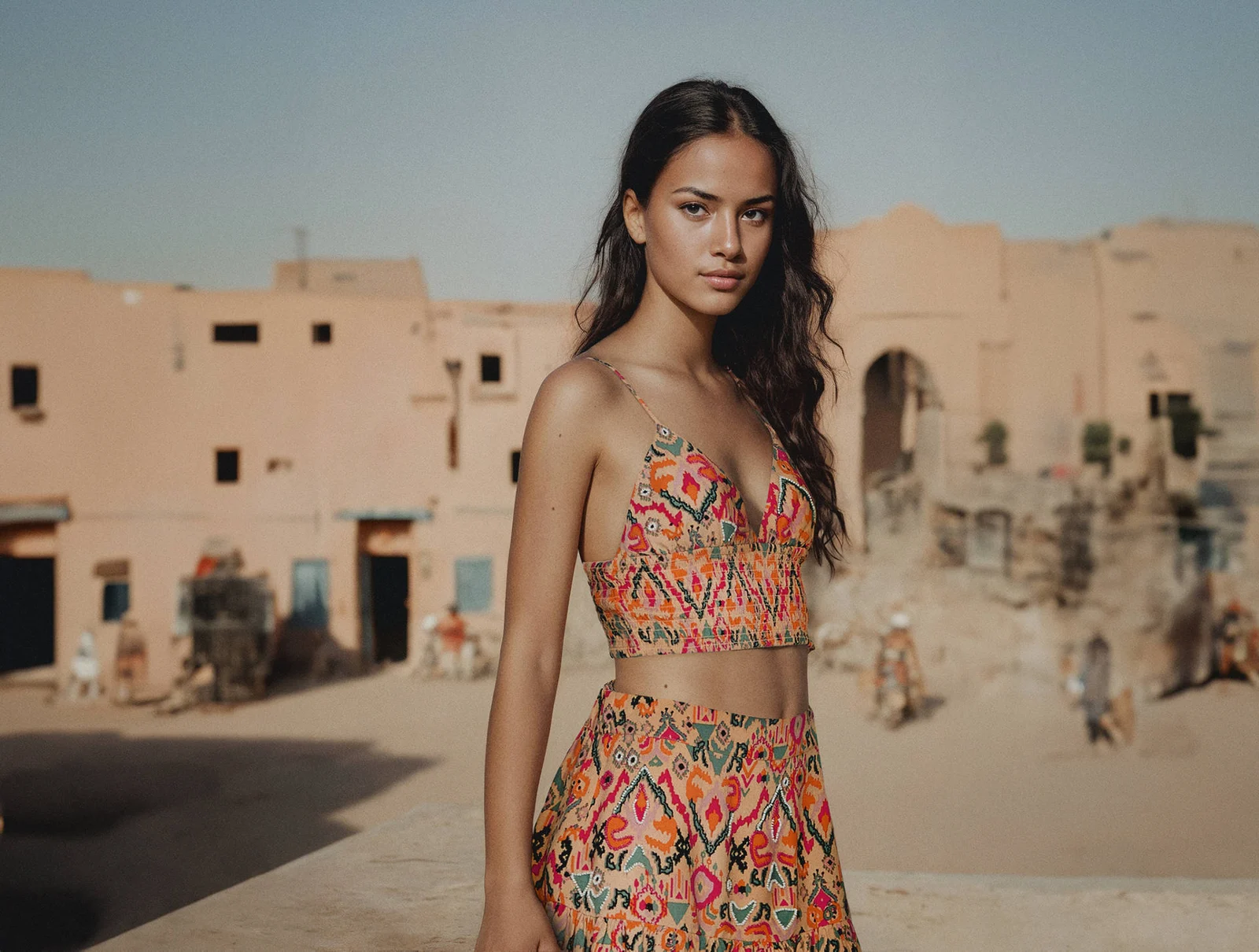
Mango used generative AI to create the campaign for its limited-edition Sunset Dream collection, while grounding the imagery in photographs of the actual garments and retaining art-team selection and retouching.
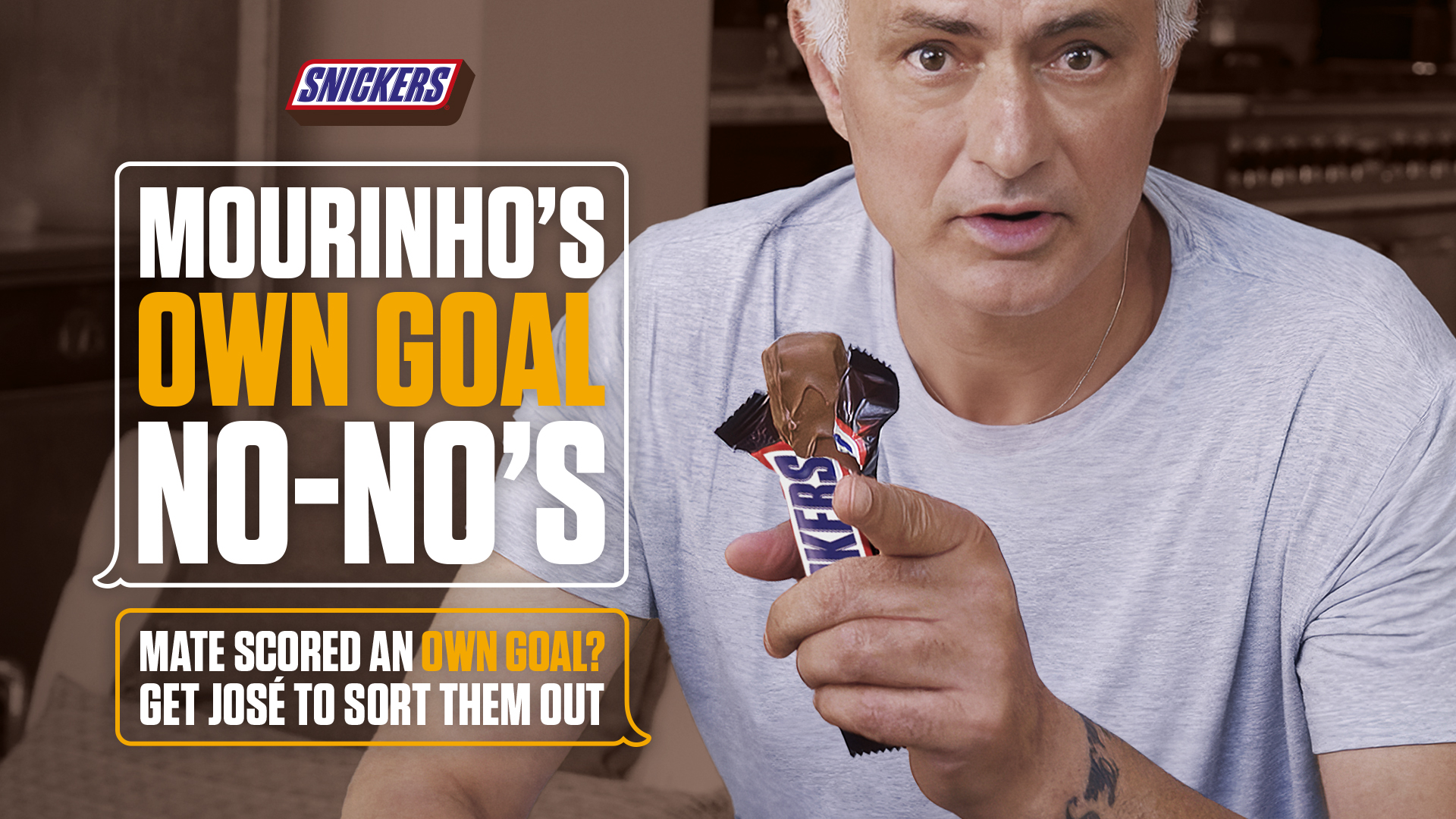
Snickers used an authorized AI clone of José Mourinho to respond to fans’ football ‘own goals.’ Its notable constraint was explicit permission and a multi-stage safety architecture, not a claim that synthetic celebrity output could run without supervision.
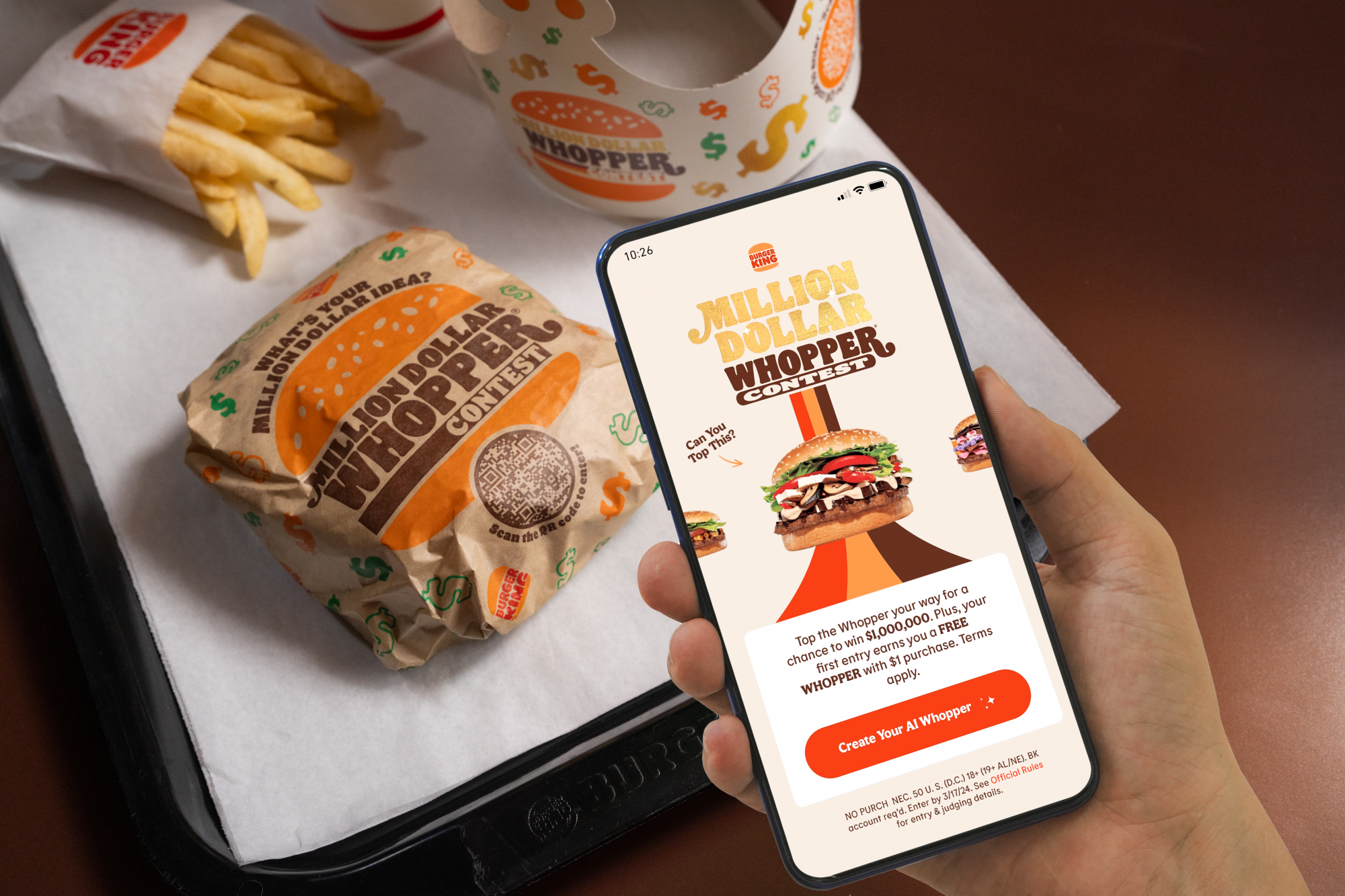
Burger King made a recipe contest into a shareable AI-assisted creation flow. The image, jingle and background were part of the invitation; human culinary and contest judging still determined what could become a menu item.
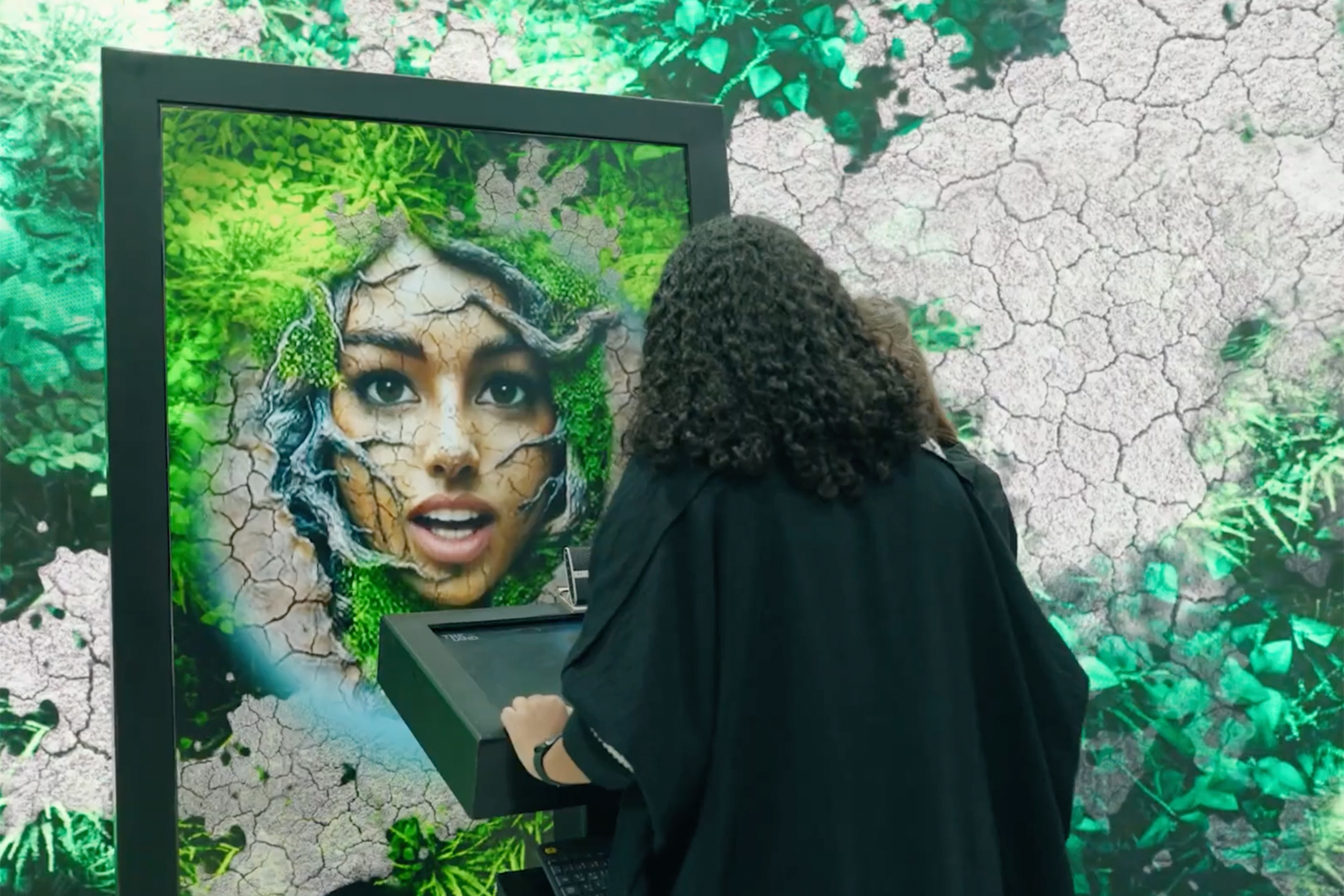
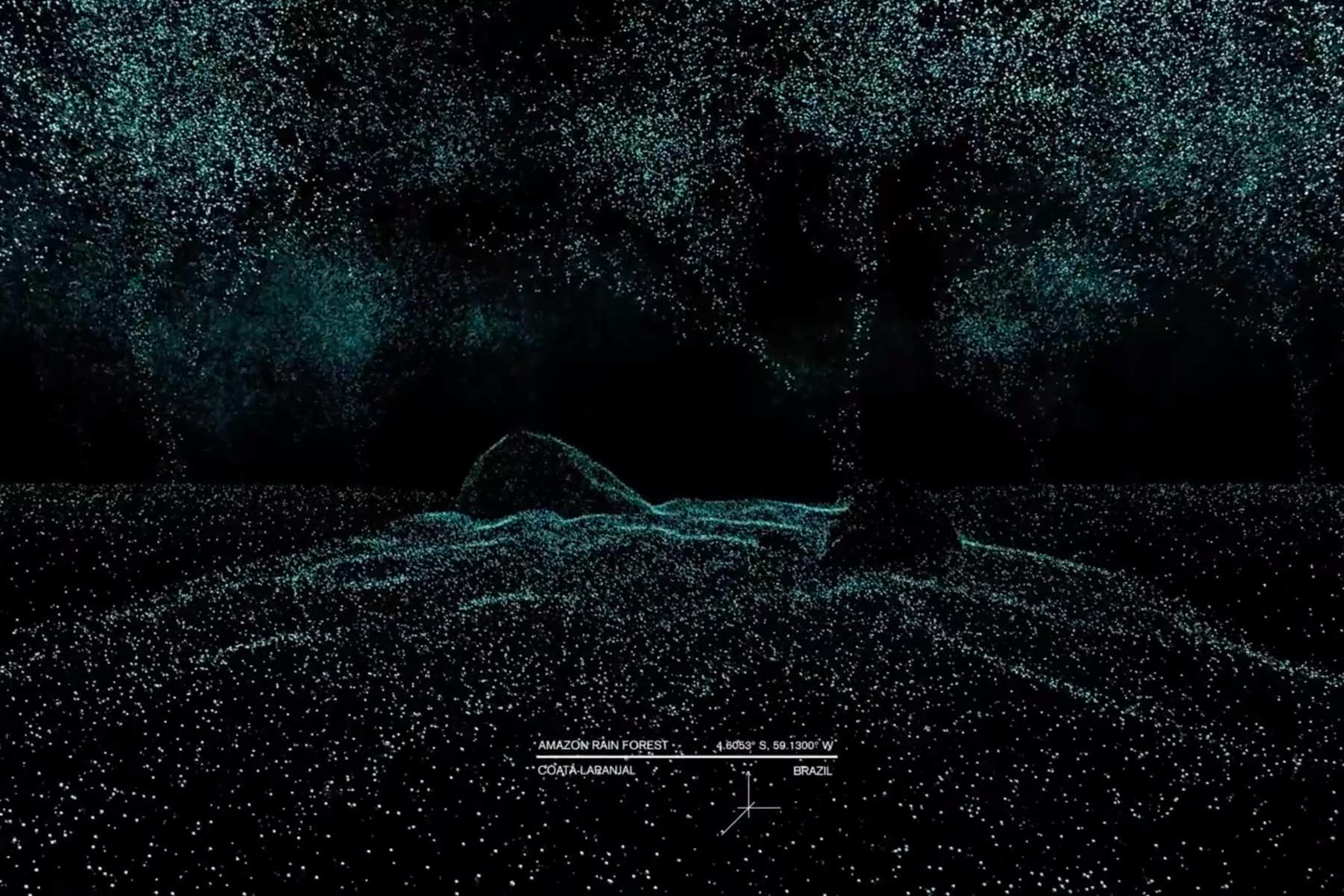
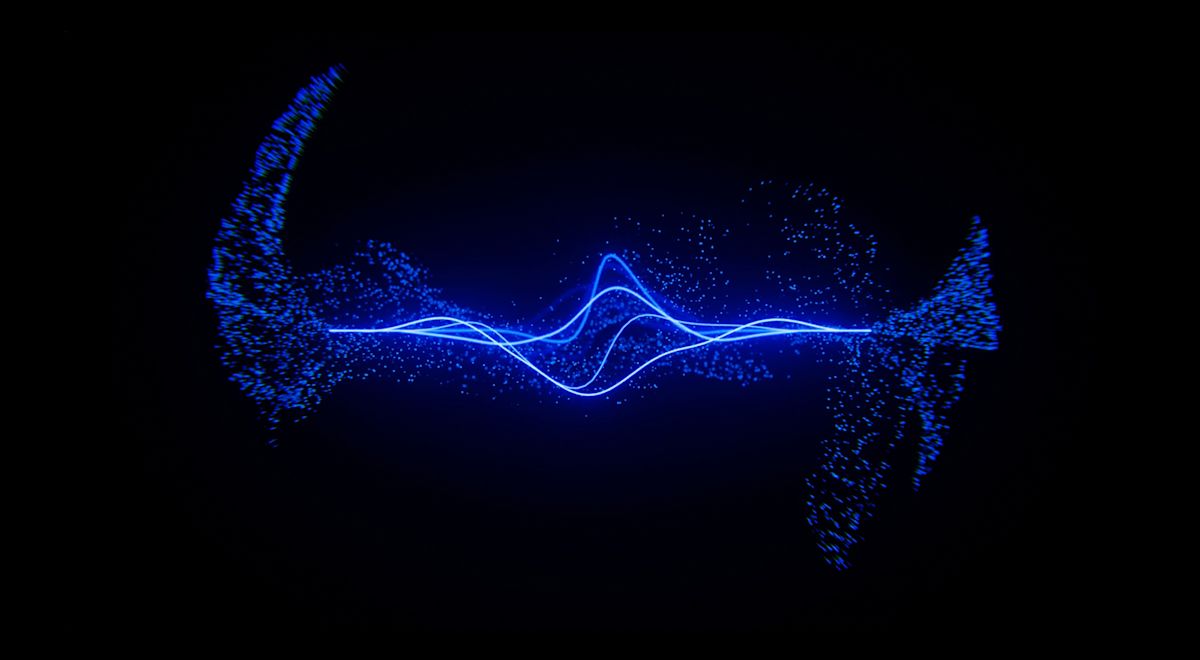
AKQA Bloom and Earth Species Project used machine learning to translate species and ecosystem sounds into evolving three-dimensional identity forms for Planetary Guardians.
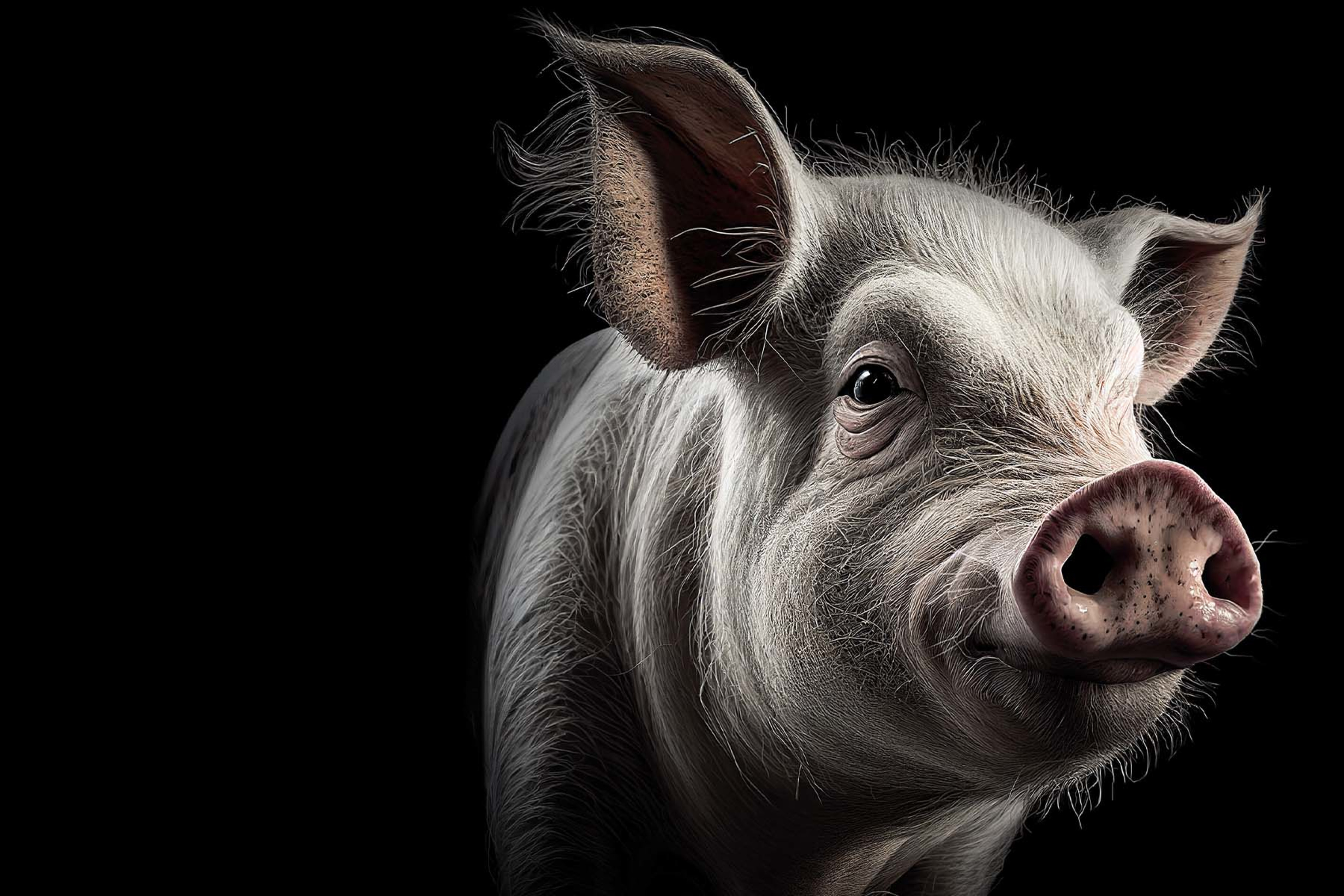
NotCo and AKQA Bloom used Midjourney and Stable Diffusion to create portraits of old farm animals, making the animals’ shortened lives in food systems visible across social, print and OOH.
AWS, VML and Slalom proposed a service that used algorithms and machine learning to identify and delete expired promotional emails according to user settings.
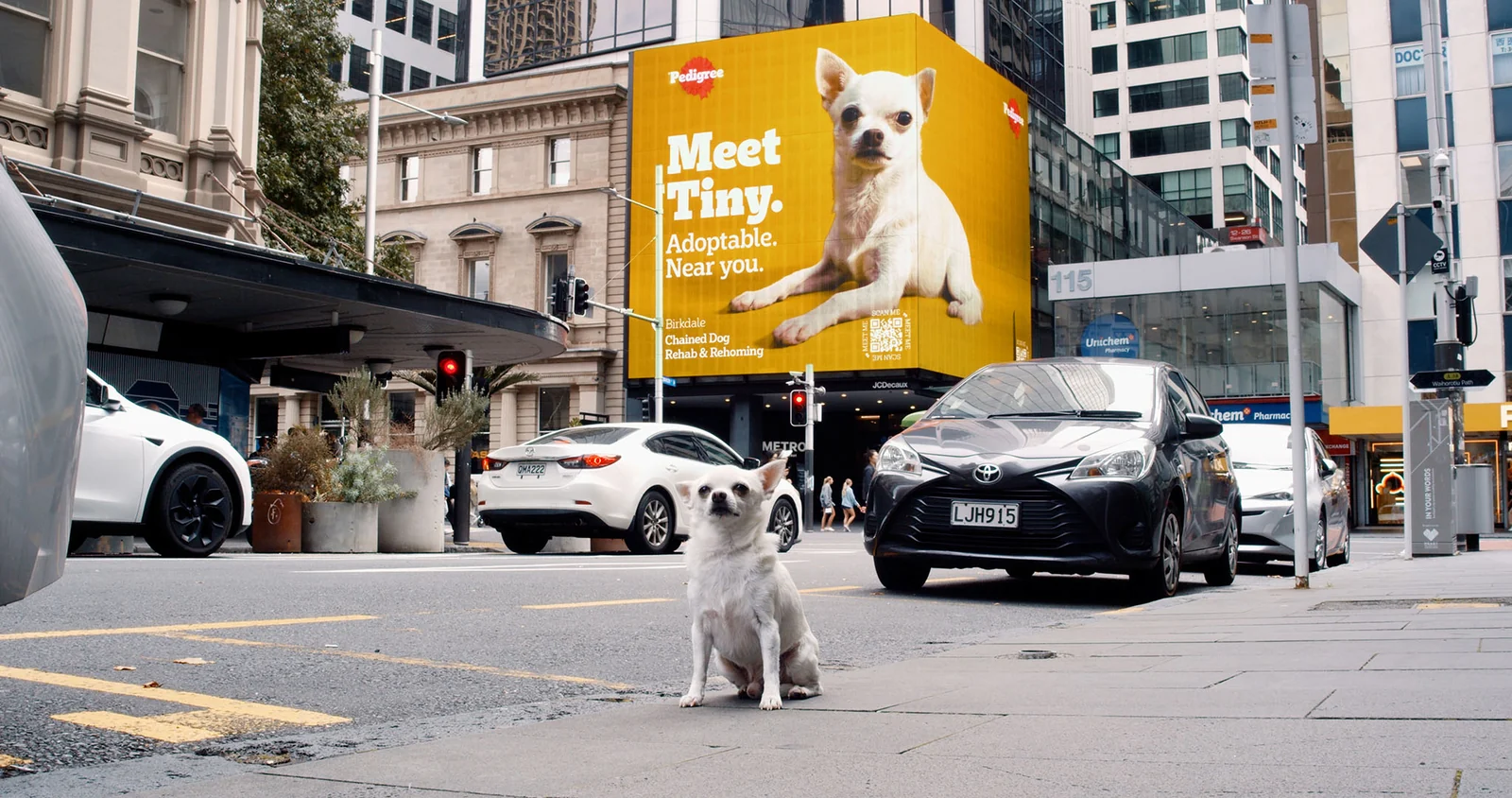
Adoptable connected polished advertising to individual shelter dogs. Its interesting promise was not endless imagery, but keeping a real animal at the center of the media system.
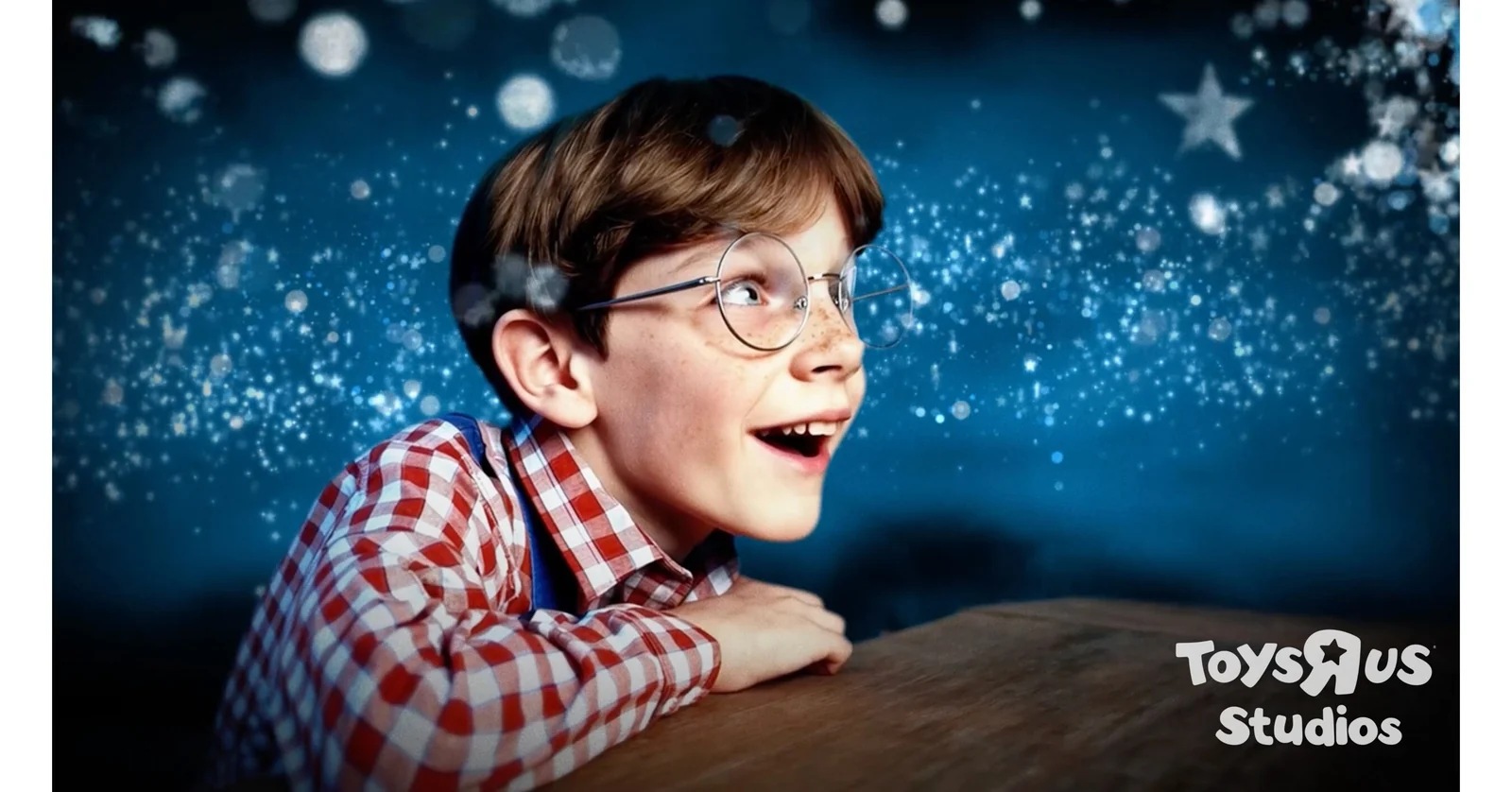
Toys“R”Us Studios and Native Foreign used Sora for an imagined origin film. The case is best understood as a piece of brand fantasy, not recovered company history.
Etsy introduced Gift Mode as AI-assisted discovery with human curation, then advertised the very human difficulty of choosing a gift. This is not evidence that the launch commercial itself was AI-generated.
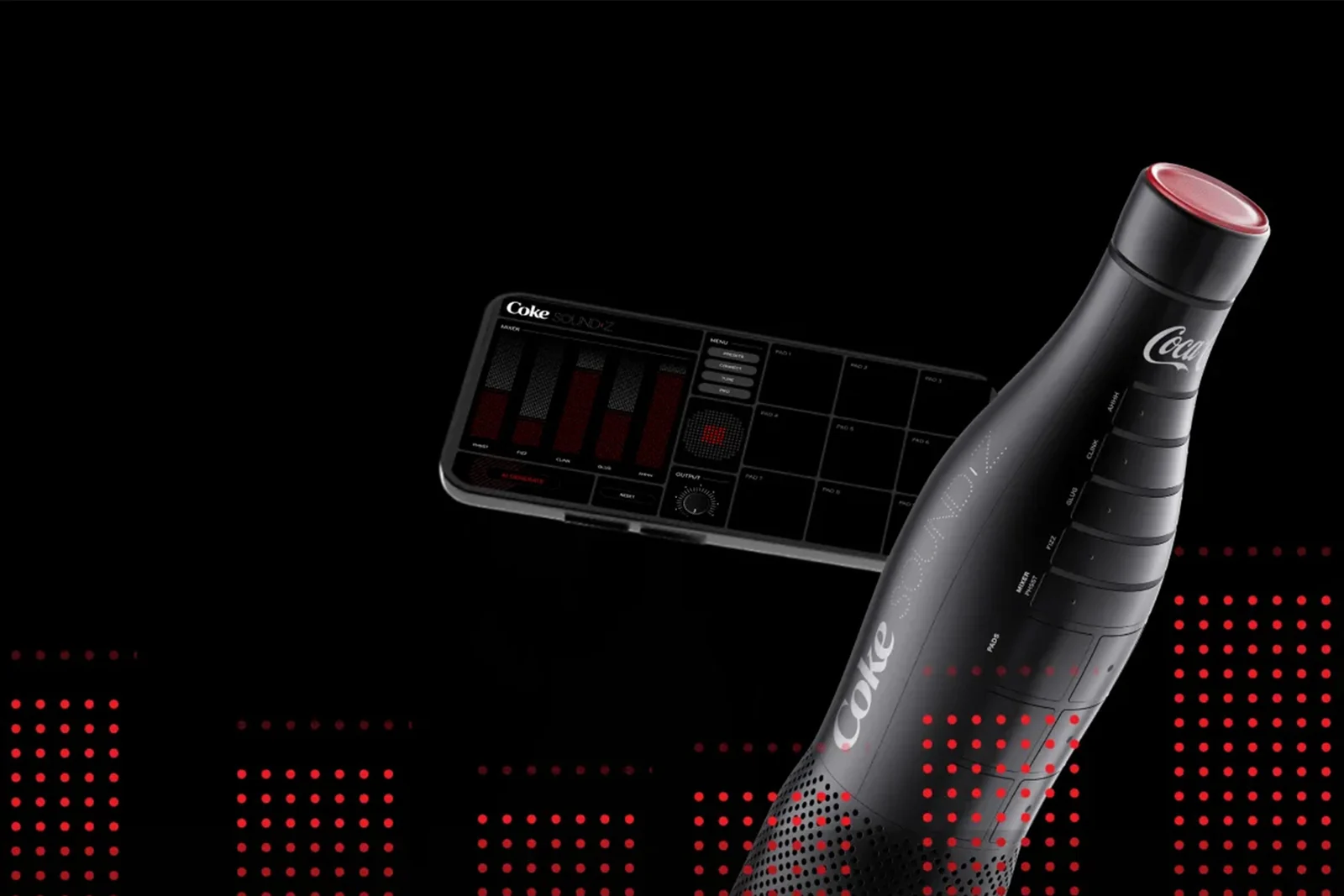
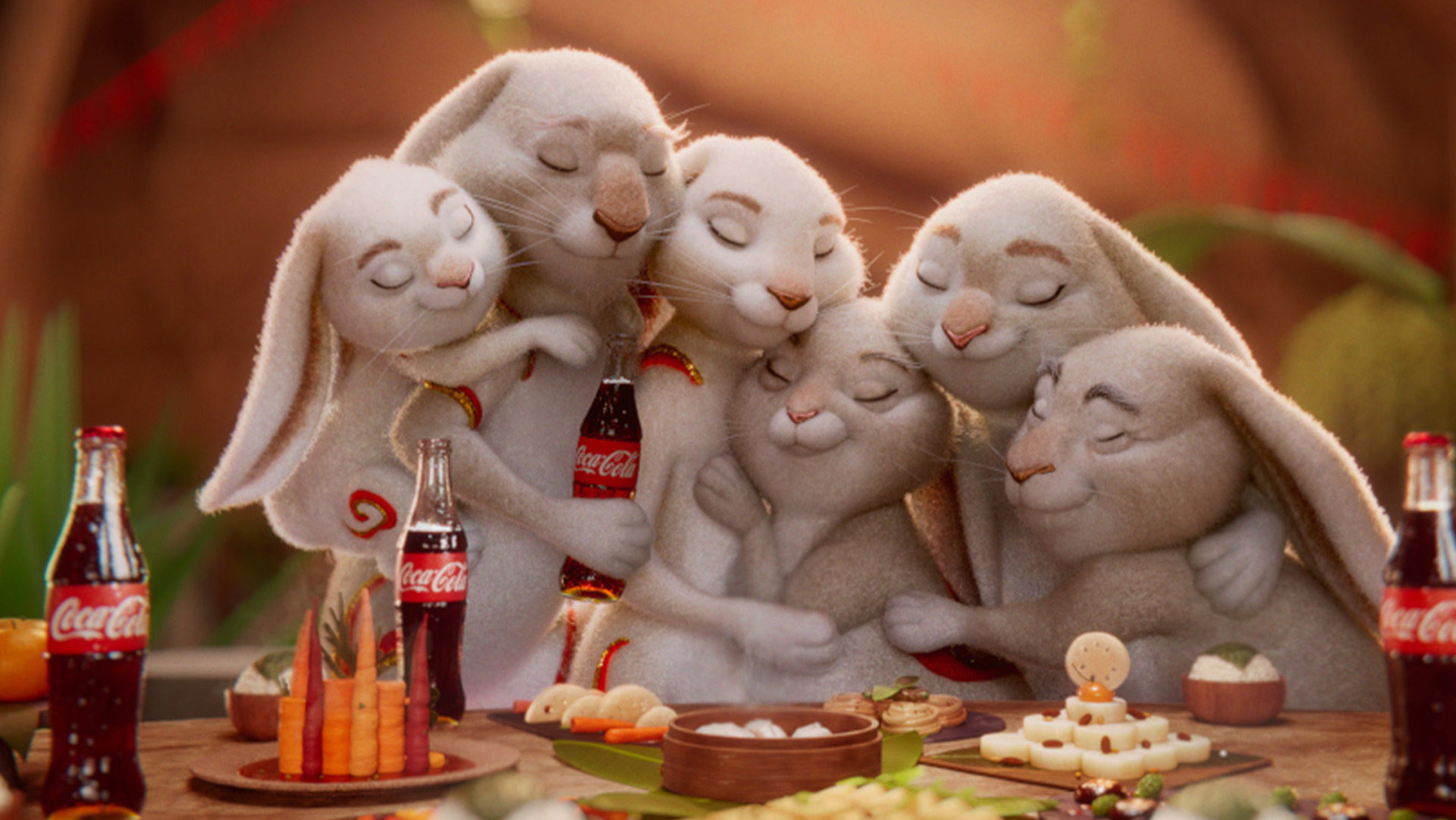
Coke SoundZ made the sounds of drinking Coca-Cola into material for music. The case asks a better question than whether AI can make a jingle: what should a brand sound like when people play it?
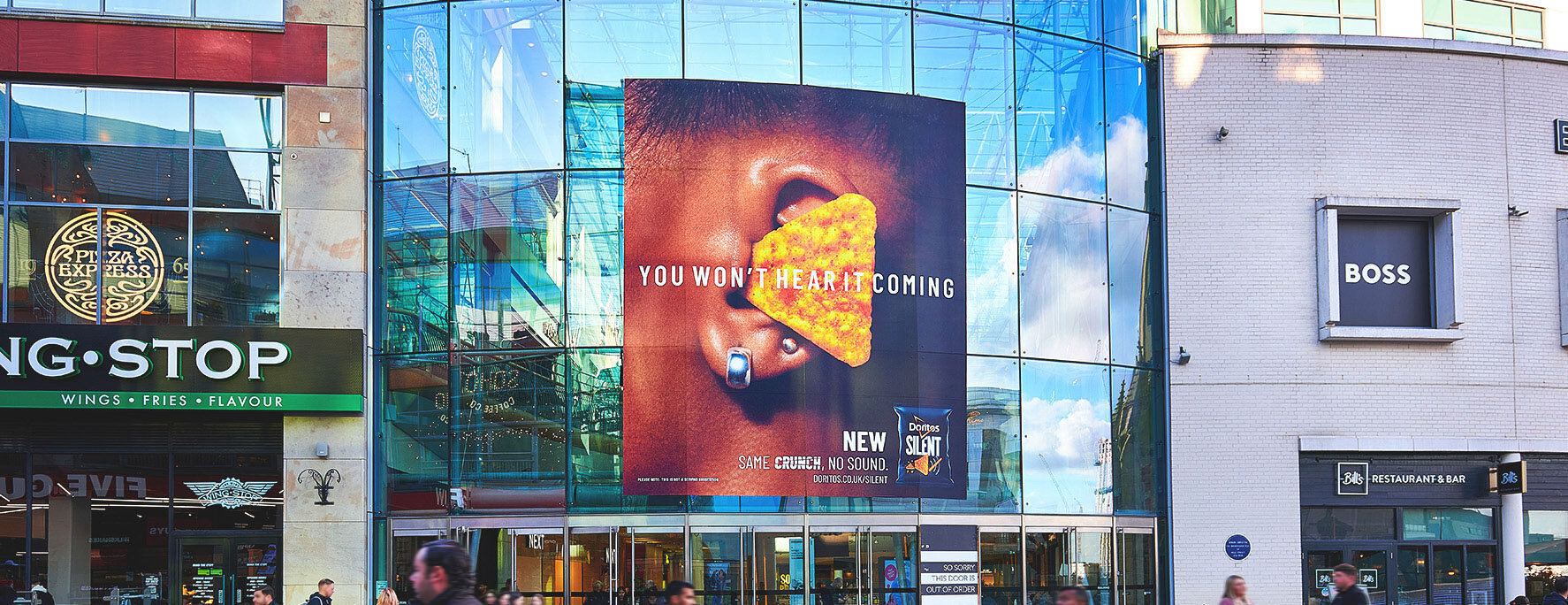
Doritos launched PC software that removed crunch sounds from voice chat and supported it with a ‘Silent’ product tease and international out-of-home campaign.
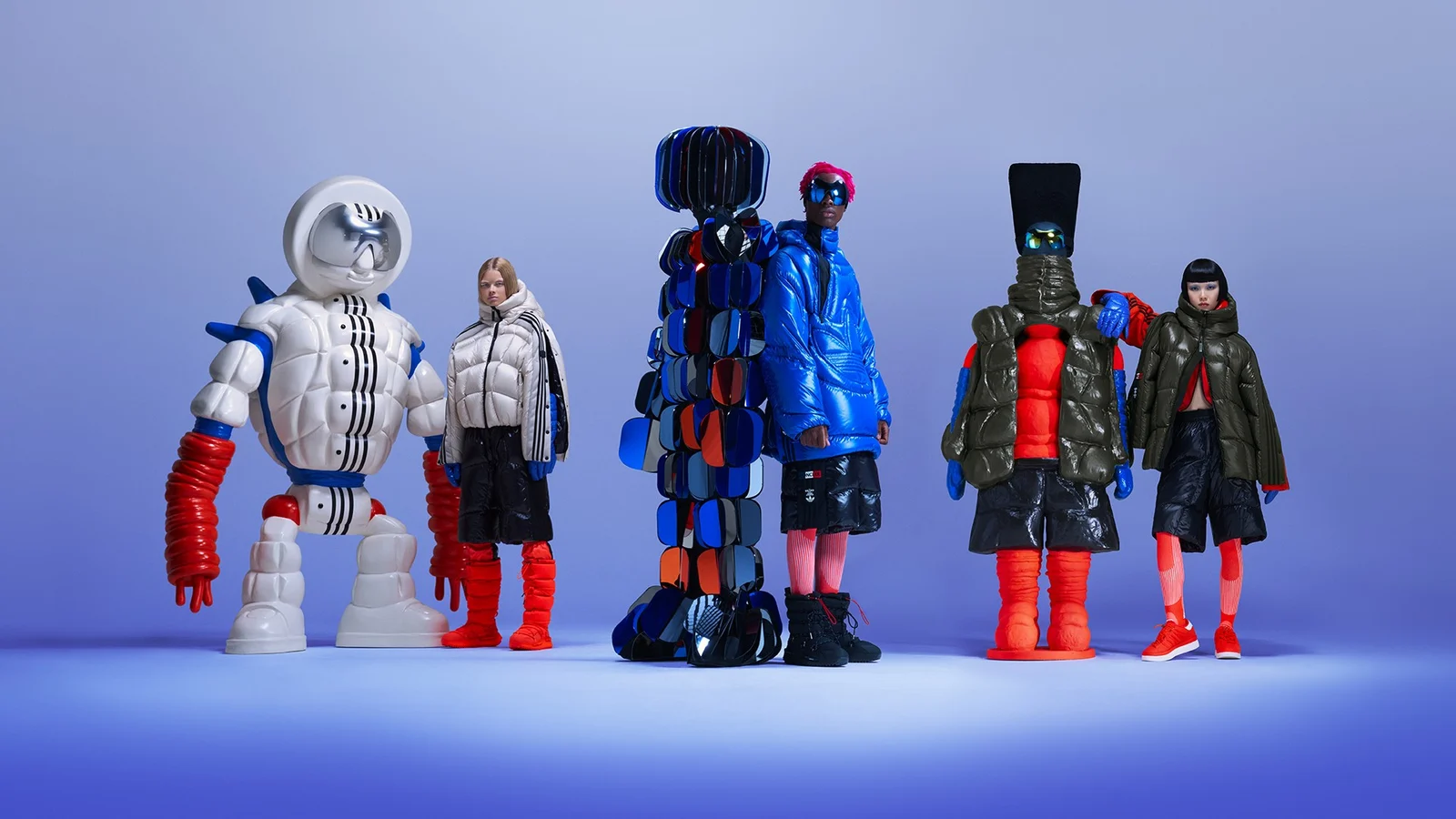
Moncler and adidas Originals used AI-generated explorer figures to open The Art of Explorers campaign, then extended the idea through commissioned physical sculptures, fashion styling and an immersive digital platform.
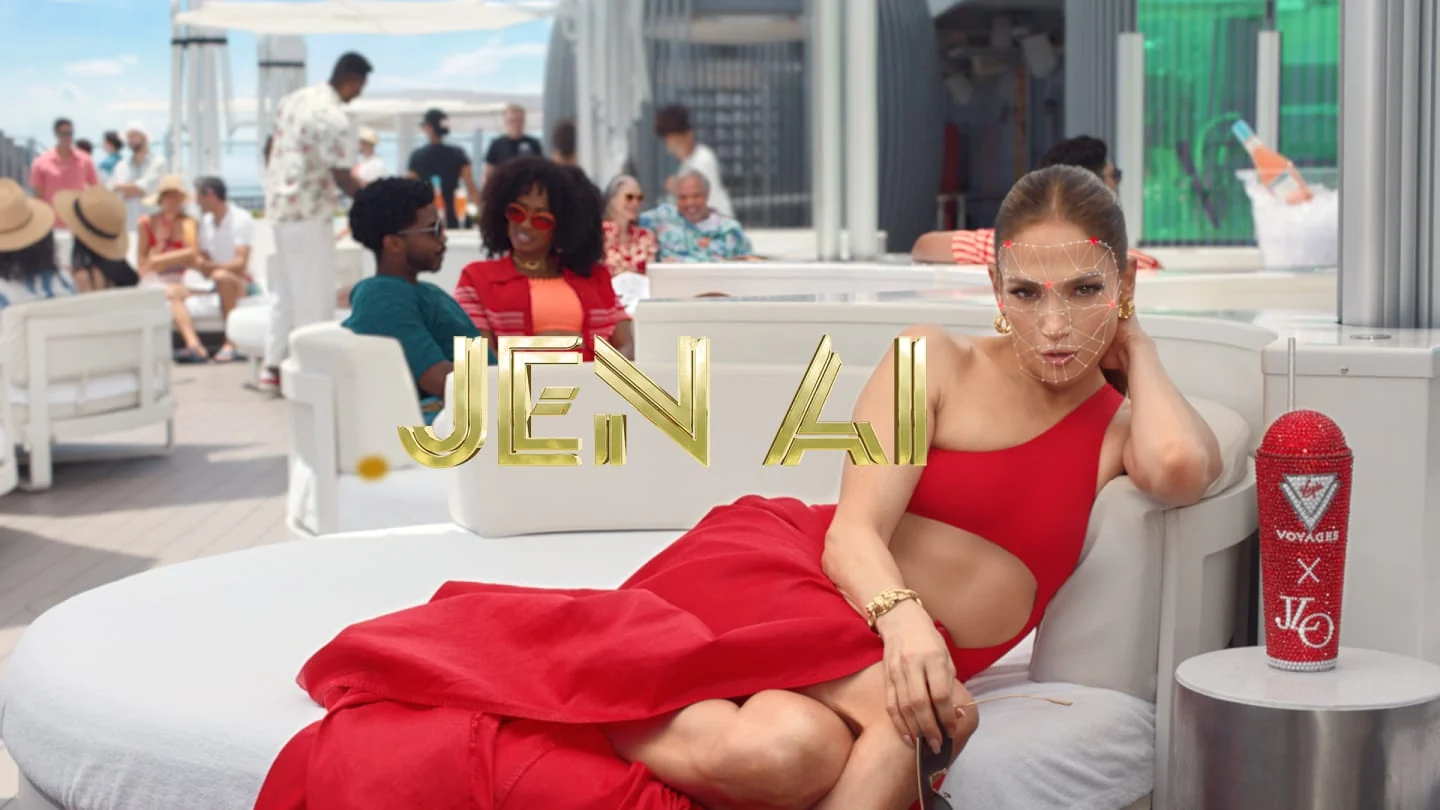
Jen AI turned a celebrity endorsement into a customizable invitation to friends. The creative unit was something a prospective traveler could send, not simply watch.
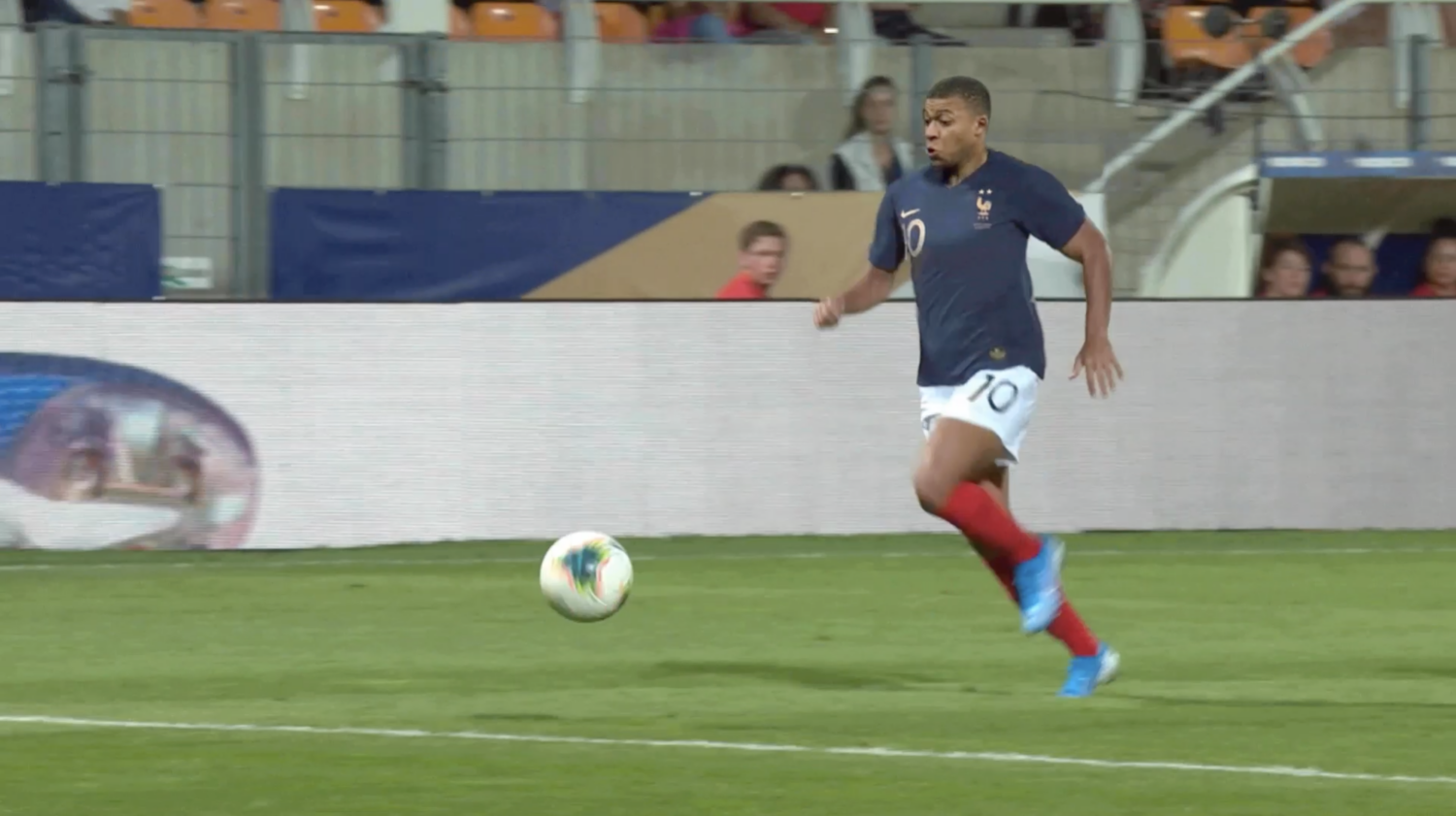
Orange and Marcel used synthetic face replacement to make a highlight film first appear to feature France’s men’s team, then reveal the women players whose actions had been composited.
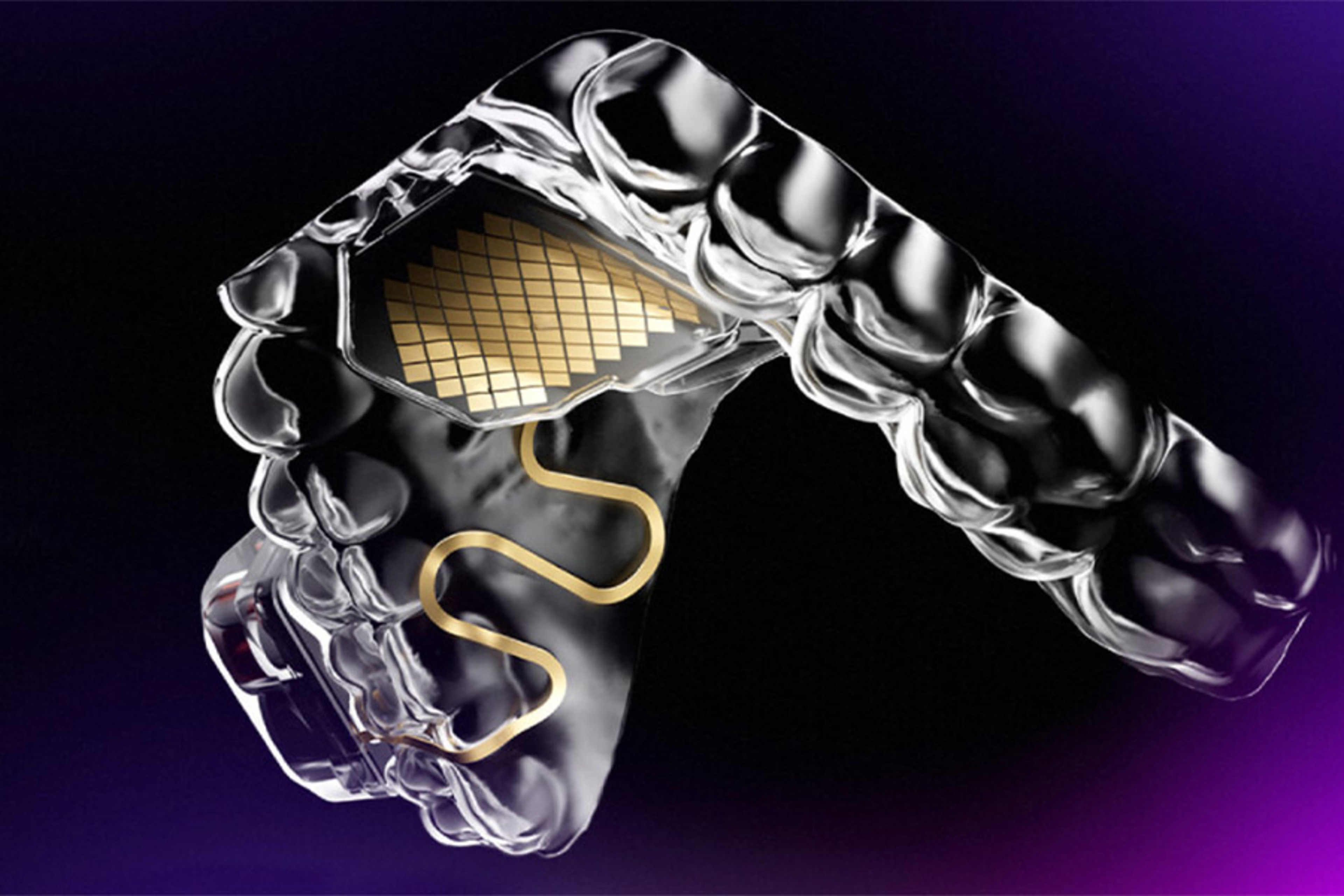
Augmental’s MouthPad launch used a custom-fit mouthpiece and machine learning to convert tongue movement into cursor commands, framing the technology through access and independence.
For Beck’s 150th anniversary, Autonomous used a chain of AI prompts to shape a beer concept, identity and marketing outputs that humans then brewed and put into market.
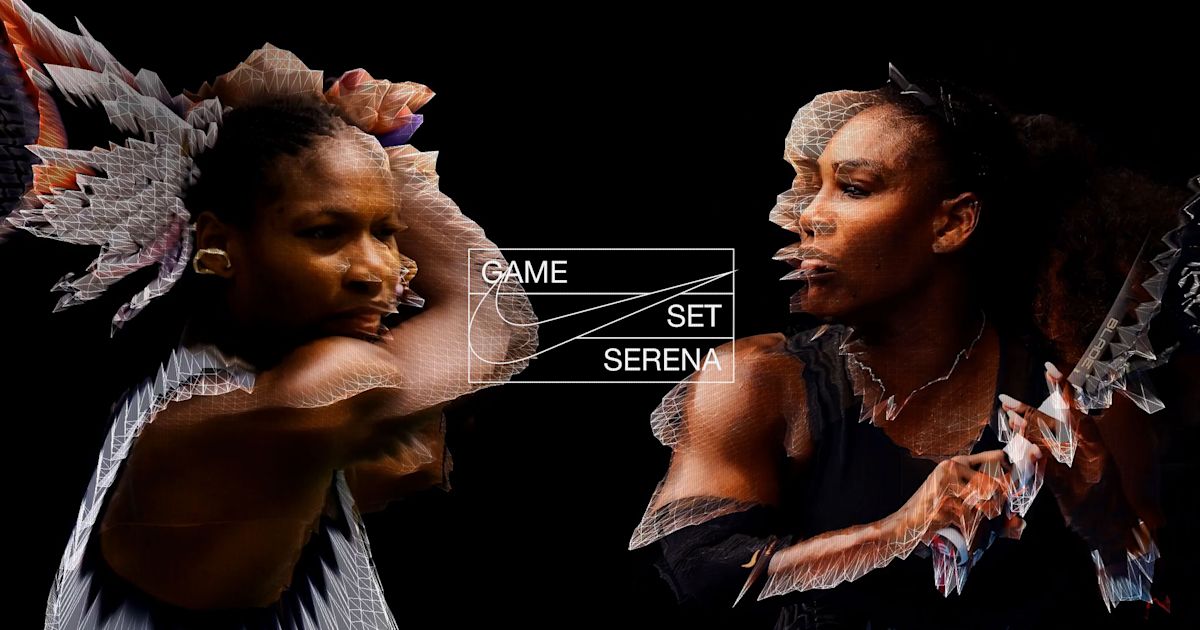
Nike and AKQA modelled two eras of Serena Williams' play, turning the result into a virtual match rather than presenting AI as an abstract production claim.
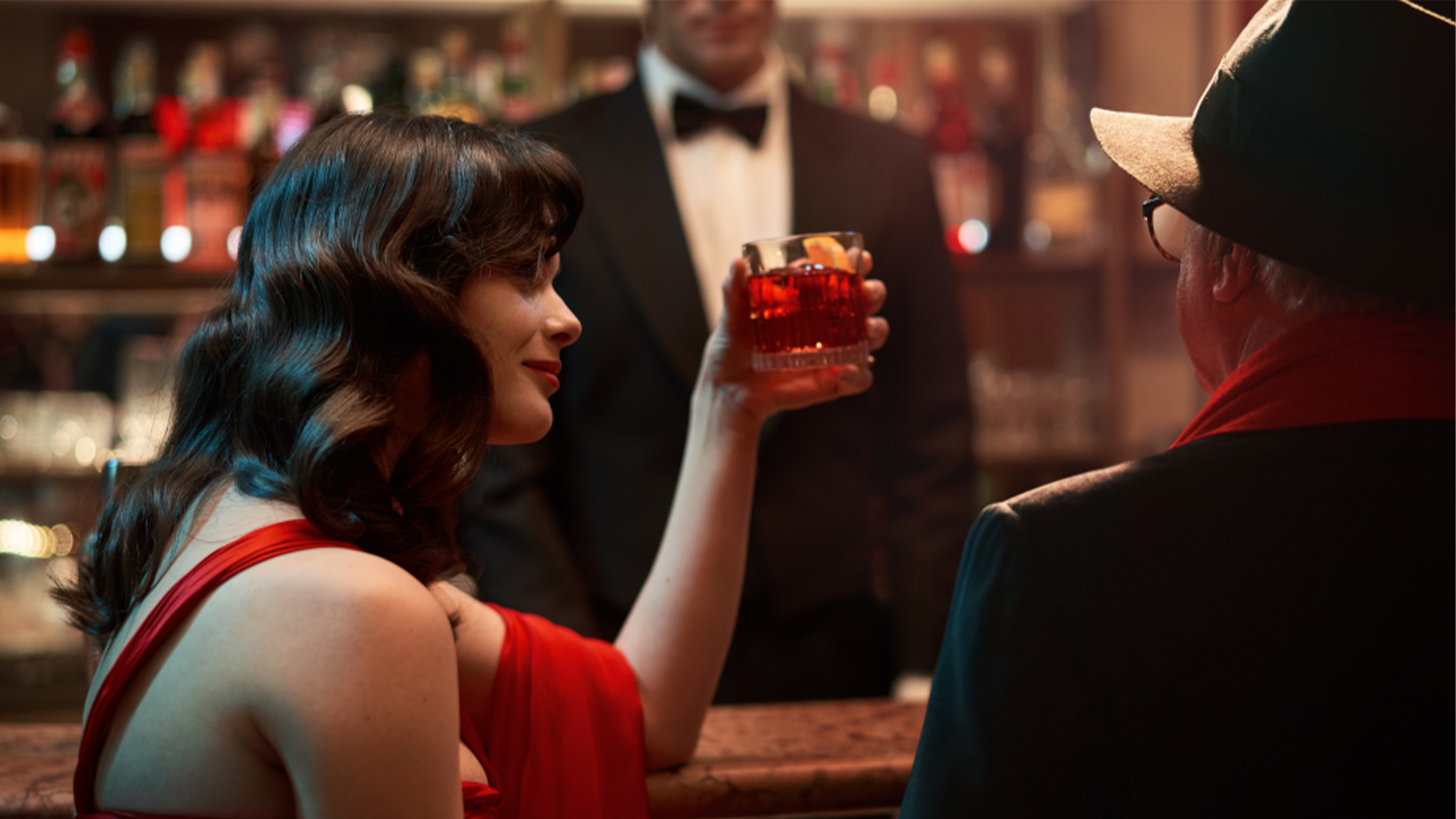
Campari and Wunderman Thompson analysed Fellini material to build scriptwriting and previsualisation tools for a new short film, while the production team retained the final choices.
Speaking in Colour translated spoken descriptions into personalised colour palettes through image search, optical recognition and a voice-controlled interface.
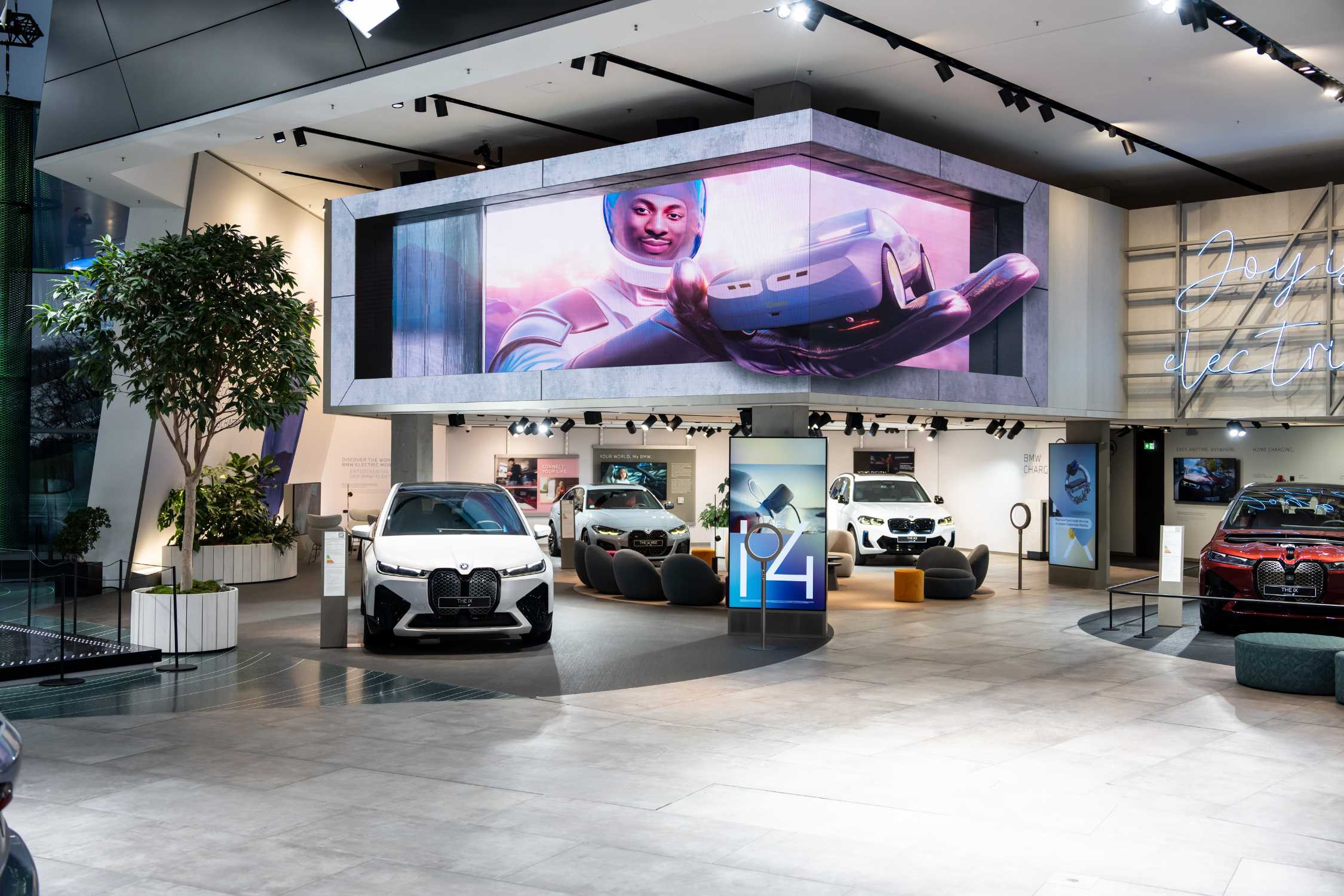
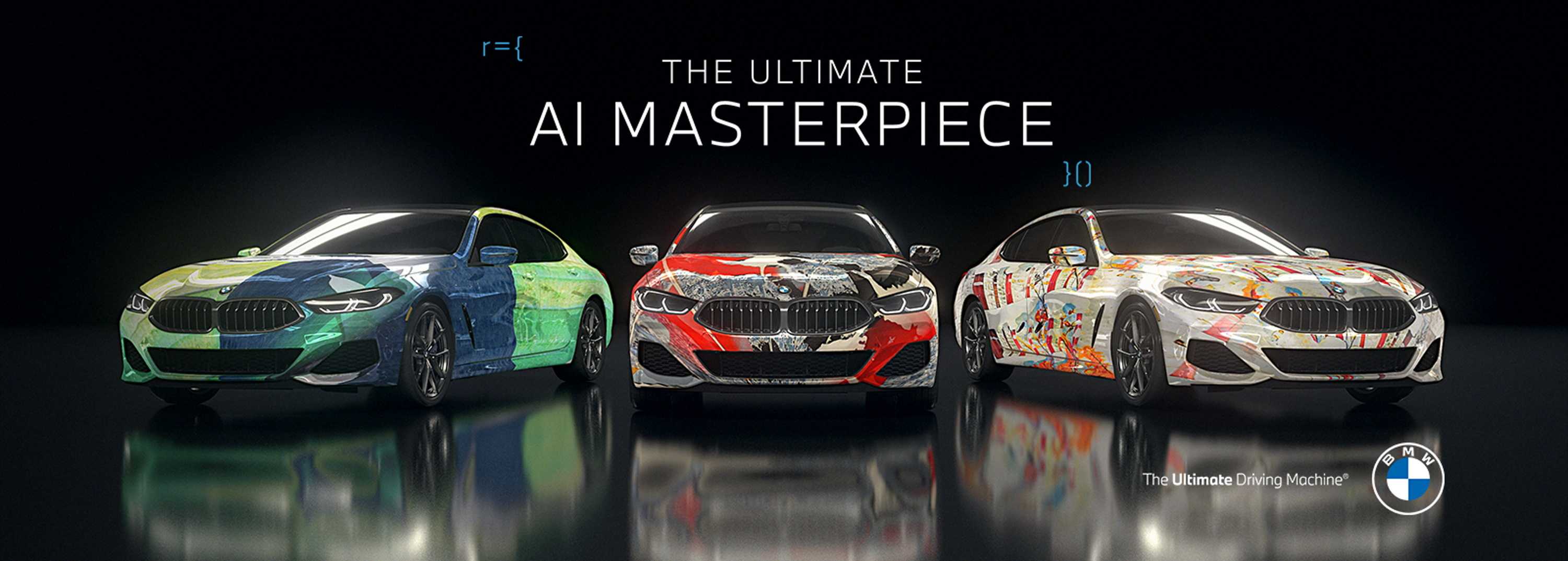
BMW used StyleGAN with historical and contemporary art inputs to generate imagery projection-mapped onto a virtual 8 Series Gran Coupé for its cultural-engagement programme.
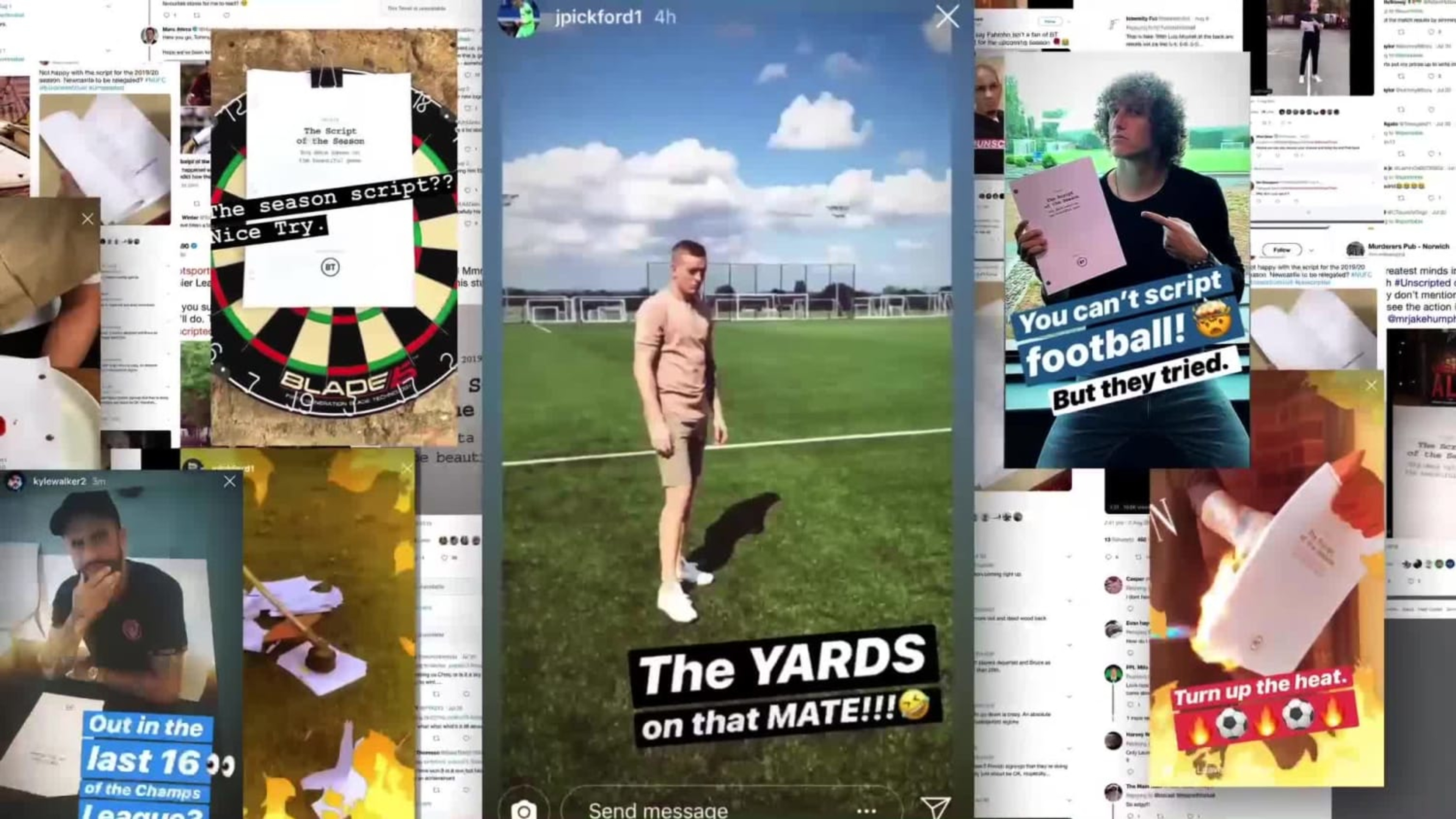
BT Sport used data and AI to turn a predicted football season into a 60-page script, then made the public debate around that prediction its subscription campaign.
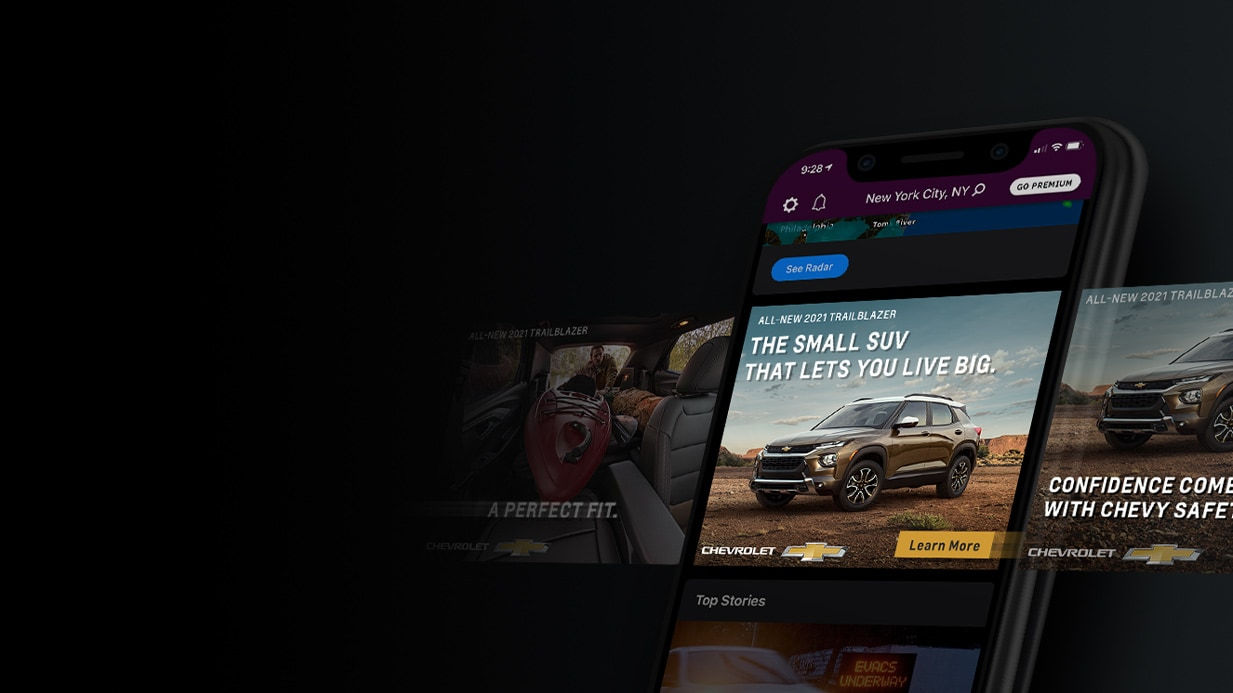
For the 2021 Trailblazer launch, Chevrolet used IBM's Watson Advertising Accelerator to select creative combinations predicted to fit audience and contextual signals.
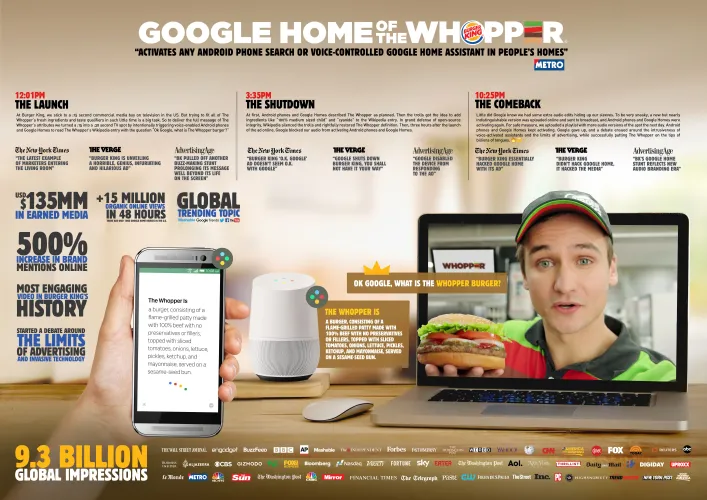
A 15-second Whopper commercial attempted to extend itself through Google Home. The advertising execution relied on a speech-recognition product as both medium and disruption.
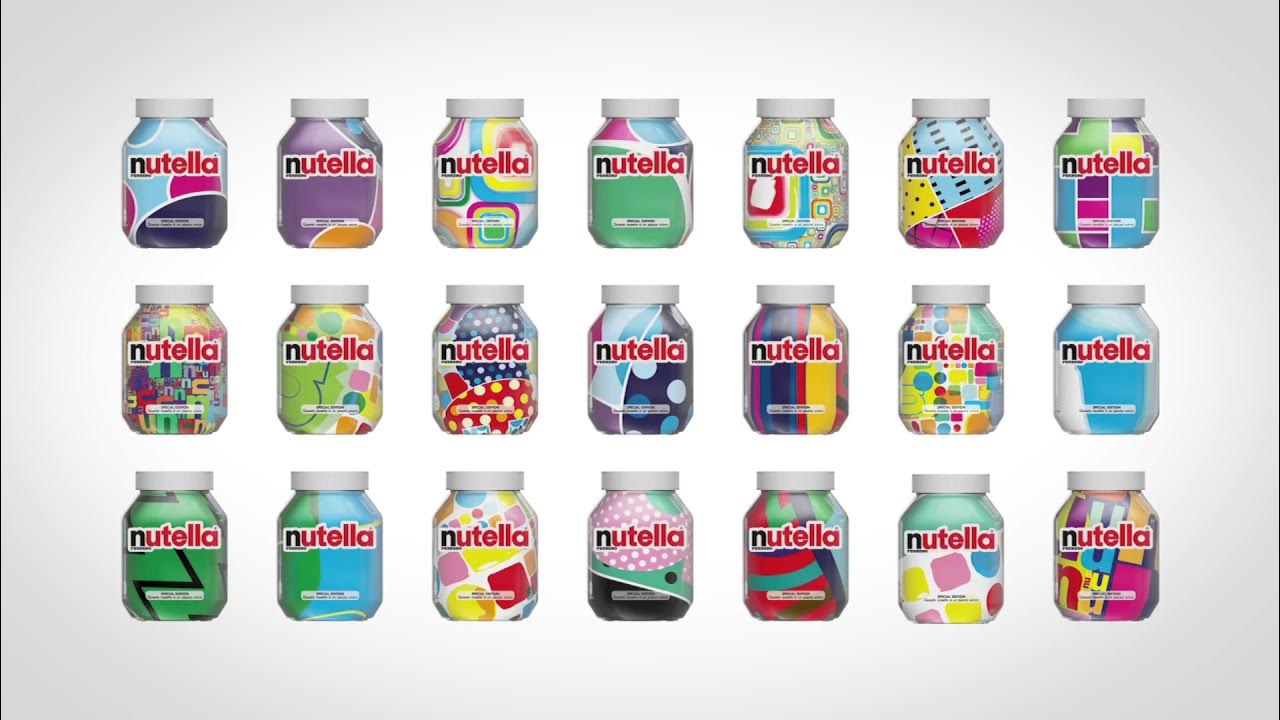
Nutella Unica made visual difference the product-facing expression of a limited edition. It is a useful counterexample to treating every algorithm as generative AI.
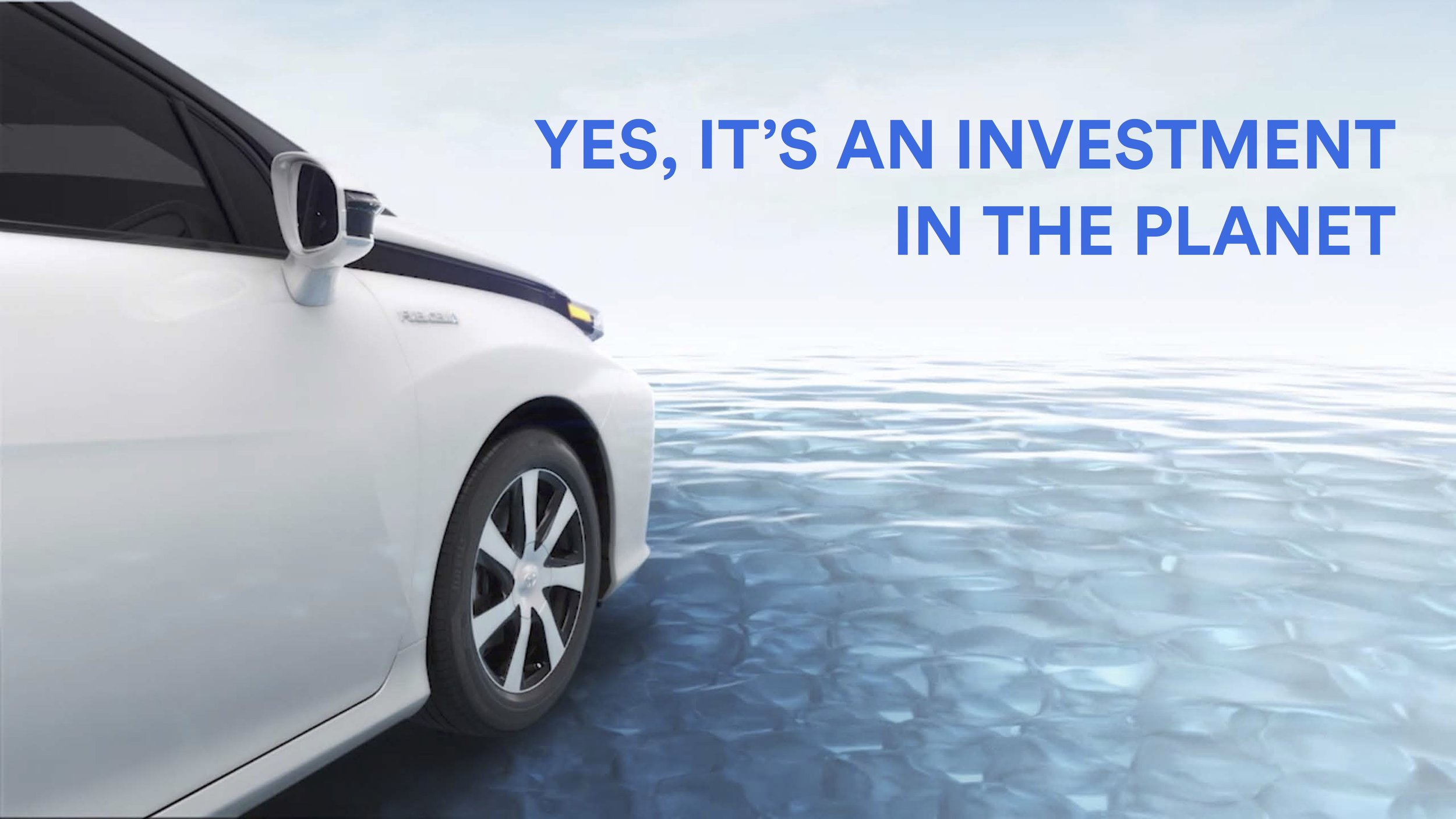
Toyota’s Mirai campaign explored Watson-assisted advertising copy for different audience interests, with human writers judging which variations belonged to the car.
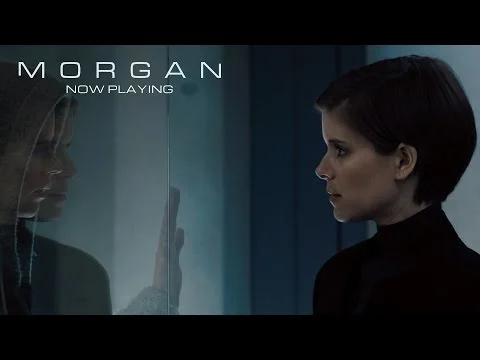
The 2016 Morgan trailer used machine analysis to shortlist footage, then a human filmmaker assembled the promotional edit. It is an early case of AI helping a marketing team choose from existing material.
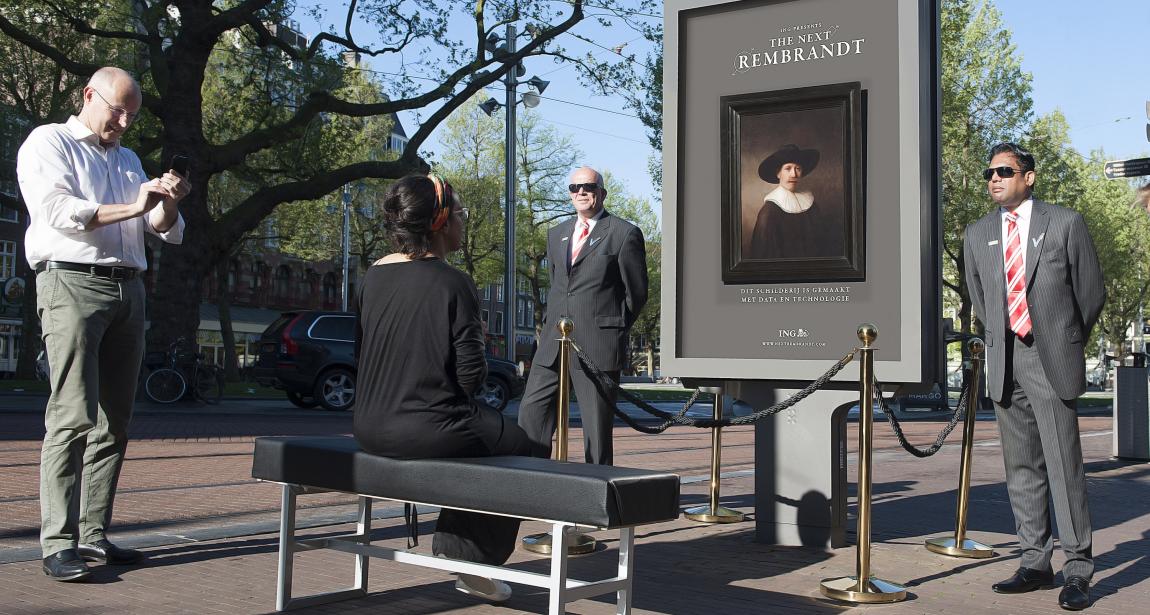
ING and partners used data analysis, deep learning and 3D printing to create a new Rembrandt-style portrait, then took the object into public outdoor display.
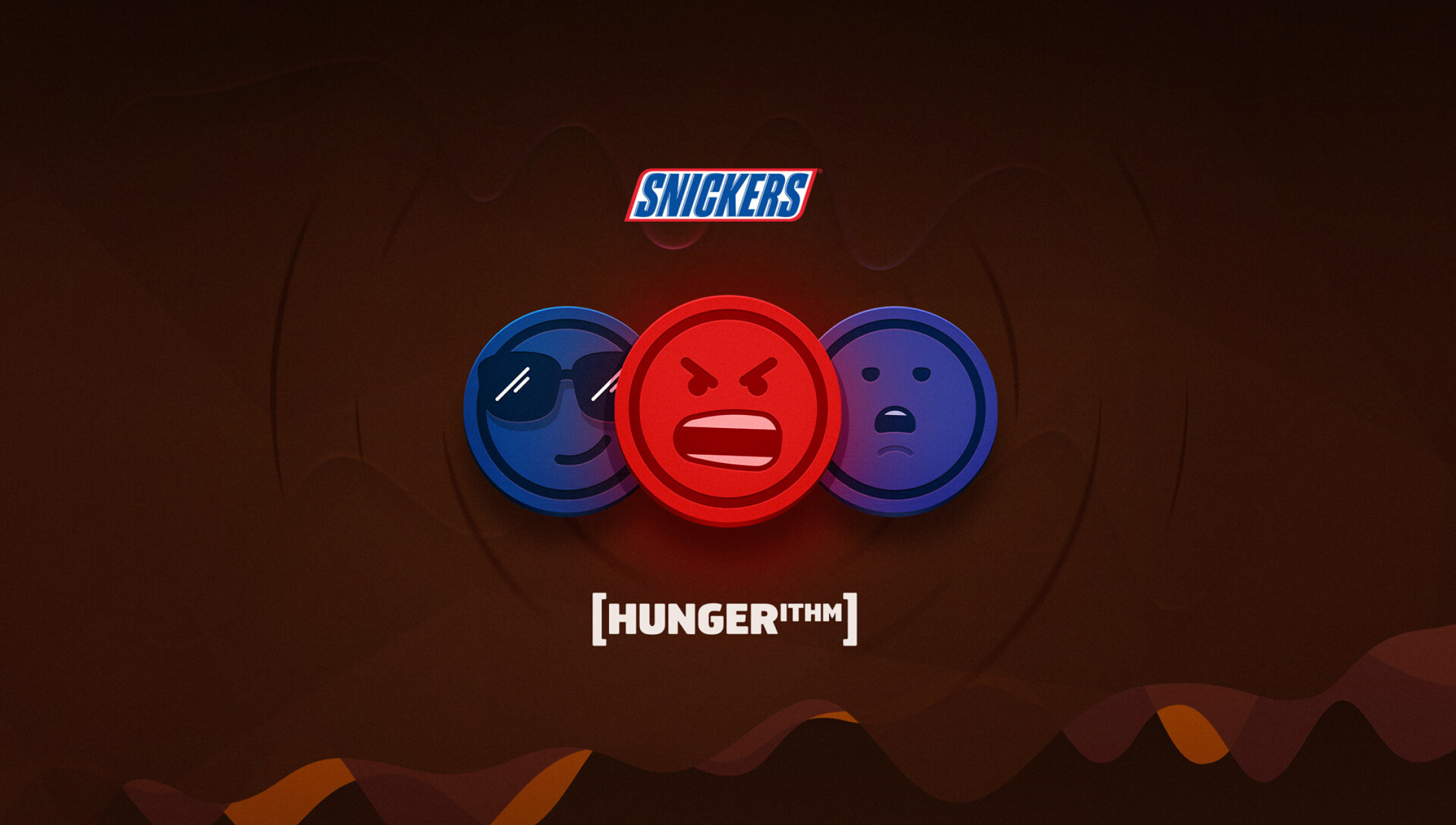
Hungerithm connected social-sentiment analysis to a redeemable Snickers price. Its algorithm was not a decorative dashboard: the changing offer was the campaign's media idea.
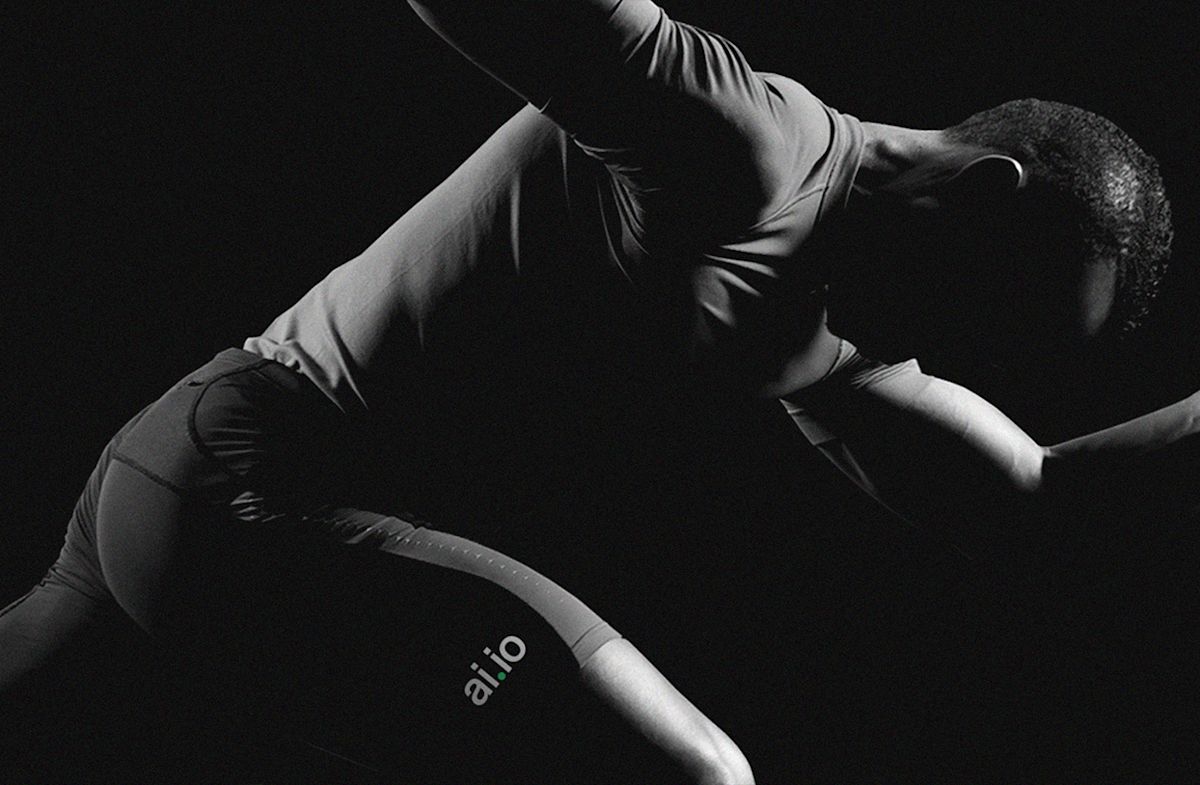
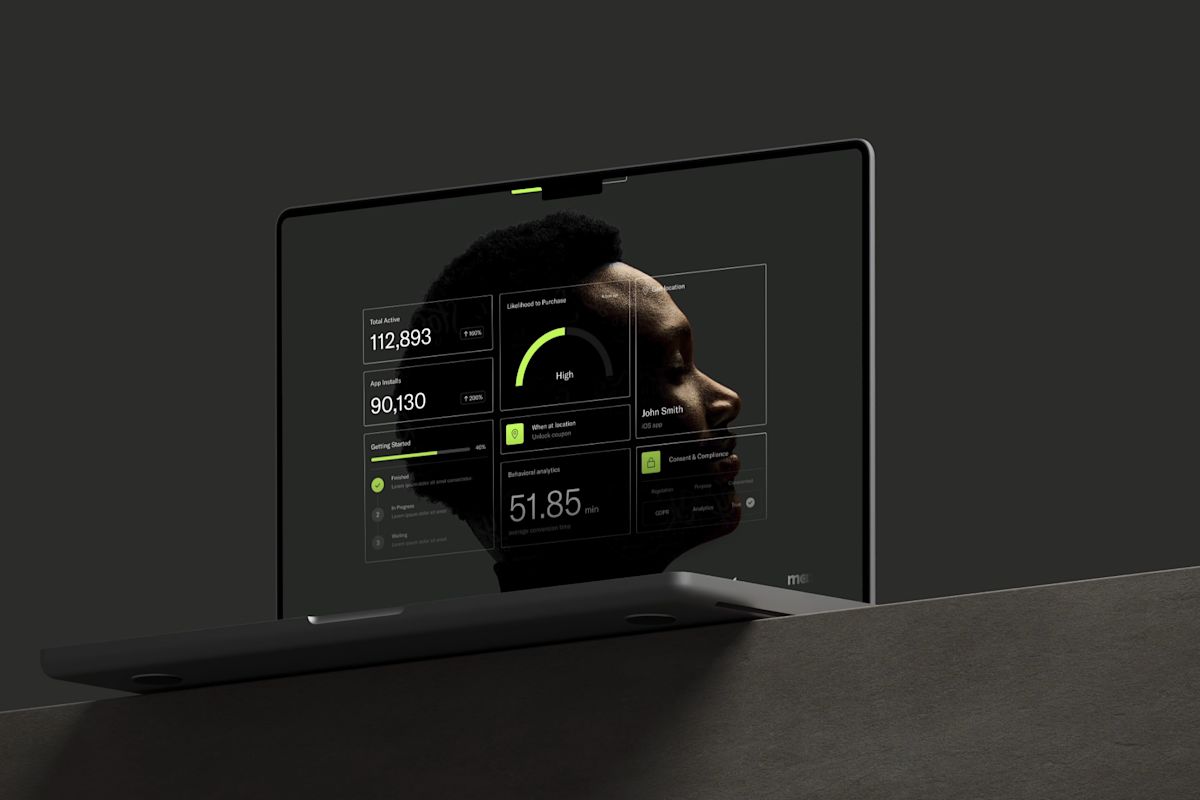
AKQA created the strategy, identity and product ecosystem for ai.io, a platform that applies AI-driven sports-performance analysis to talent discovery.