Reported launch: a shopping feature gets a big stage
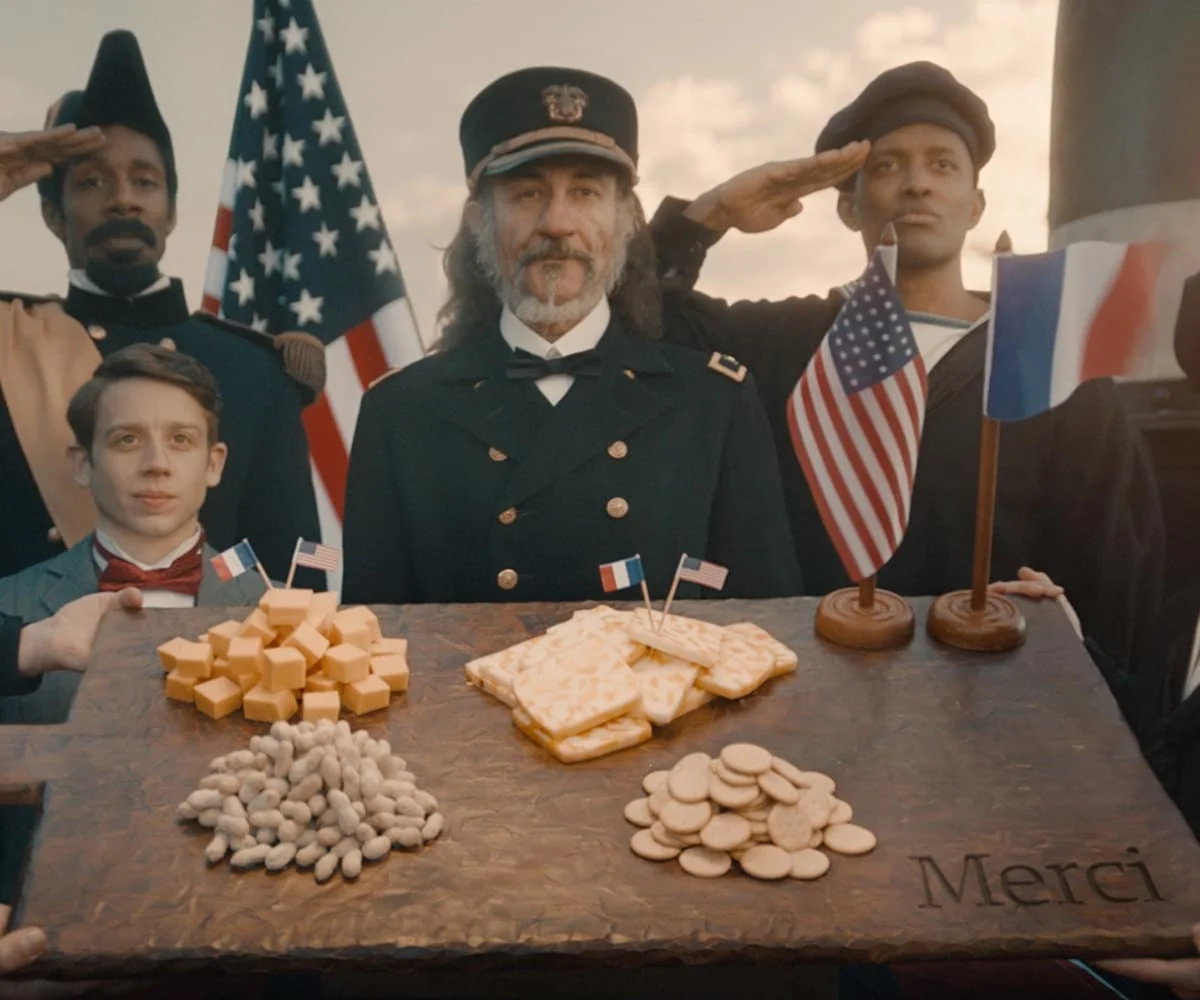
Etsy's February 1 announcement presents Gift Mode as a combination of AI and human curation. It describes a brand campaign built around gifting pressure, with a television debut planned for February 11 and additional media activity. The accompanying commercial image belongs to that launch. The source does not establish that generative AI made the film, and this case does not classify it that way.
Our reading: the ad does not need to explain the model
The useful separation is between a shopper's problem and the machinery behind a possible solution. People can recognize the fear of getting a gift wrong without caring how a recommendation is calculated. That gives a campaign a human entry point while leaving the destination to demonstrate practical assistance.
It also creates a demanding handoff. An advertisement can make uncertainty funny; a shopping experience must help resolve it. If the next screen is vague or overconfident, the joke turns into a promise the product cannot keep. We would judge the idea by the quality of that transition, not by how prominently the word AI appears.
Curation should leave room for the exception
A gift is chosen for a relationship, not only for a category. Our design recommendation would be to make suggestions easy to refine and easy to reject. Someone shopping for an enthusiastic gardener might still want to avoid another gardening object. A useful interface should let that exception matter.
Seller inventory adds a second constraint: the appealing idea must correspond to something available on workable terms. Recommendation quality cannot be judged solely by the charm of a description. Price, delivery timing and the buyer's own knowledge of the recipient belong in the decision. These are evaluation principles for this kind of feature, not claims about checks we observed Etsy perform.
Evidence boundary: launch copy cannot settle usefulness
The source is an announcement, not an outcome report. It supports the campaign's intended positioning and schedule; it does not prove that recommendations improved gift selection.
A meaningful assessment would follow people beyond clicking a suggestion. Did they find a plausible option, understand why it fit and feel comfortable making the choice? Compare those answers with an ordinary browsing route, and distinguish repeat usefulness from launch curiosity. This case is worth keeping because it widens the definition of AI advertising: sometimes AI is the thing being sold through a service, rather than the thing making the advertisement.
Sources & limits
Dated brand launch announcement; launch intentions, not measured results
- Etsy kicks off Gift Mode brand campaign with Big Game debut — 1 February 2024.
Send a correction with the passage and supporting source.