Reported execution: shortlist first, assemble second
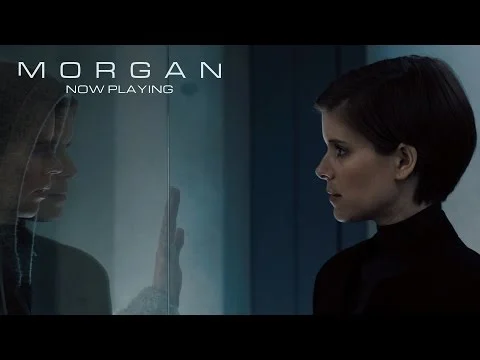
IBM’s research account describes a system that recognised patterns in horror trailers, then proposed ten moments from Morgan for promotional use. A professional filmmaker arranged and edited those selections. The authors report completing the combined processing and assembly within 24 hours.
GeekWire’s August 2016 coverage adds a revealing detail: the editor left out one proposed scene because it did not fit the story. The system’s selection was a recommendation that the filmmaker could reject. The official studio upload preserves the resulting promotional object alongside the explanation of how it was made.
Our reading: selection is a useful place to begin
An archive of footage is also an archive of decisions waiting to be made. A team needs to find the moments that promise an experience without giving the story away. Search and ranking can help reduce that review burden, provided the shortlist remains open to challenge.
The case makes that division of responsibility unusually visible. A promising moment on its own can fail in a sequence: its tone may be wrong, it may reveal too much, or the neighbouring shots may change its meaning. A person reviewing the finished cut has to judge the relationships between moments, including what the trailer chooses to withhold.
Production lesson: keep rejected suggestions inspectable
A useful assisted-editing workflow would retain a small record of suggested scenes, accepted scenes and the reasons for rejection. That turns a vague claim about speed into a concrete account of which part of the job became easier and which decisions still required concentrated attention.
Review the final sound-and-picture sequence independently of the ranking scores. A good retrieval system can surface options while a weak edit still misrepresents the film. For marketing teams, the approval question is whether the finished piece makes a clear, accurate promise about the experience being sold.
Evidence boundary: reception and sales are different questions
The IBM paper reports a viewer study, but that is not a controlled measure of box-office impact. Its production-time claim concerns this particular collaboration; it cannot establish a typical saving for another film, genre or approval process.
This entry is dated to the public trailer coverage in 2016, with the later research publication shown separately. It records an early documented collaboration without adopting a universal first-ever claim or treating the resulting publicity as evidence of commercial effectiveness.
Sources & limits
IBM’s 2017 research paper documents the 2016 collaboration; contemporaneous GeekWire reporting anchors the August 2016 unveiling. The sources do not establish a causal effect on ticket sales.
- IBM Research — Harnessing A.I. for augmenting creativity: Application to movie trailer creation — 23 October 2017.
- GeekWire — IBM’s Watson makes AI trailer about Morgan — 31 August 2016.
- 20th Century Studios — Morgan, IBM trailer — source publication date not stated.
Send a correction with the passage and supporting source.