Reported execution: sound became the shape system
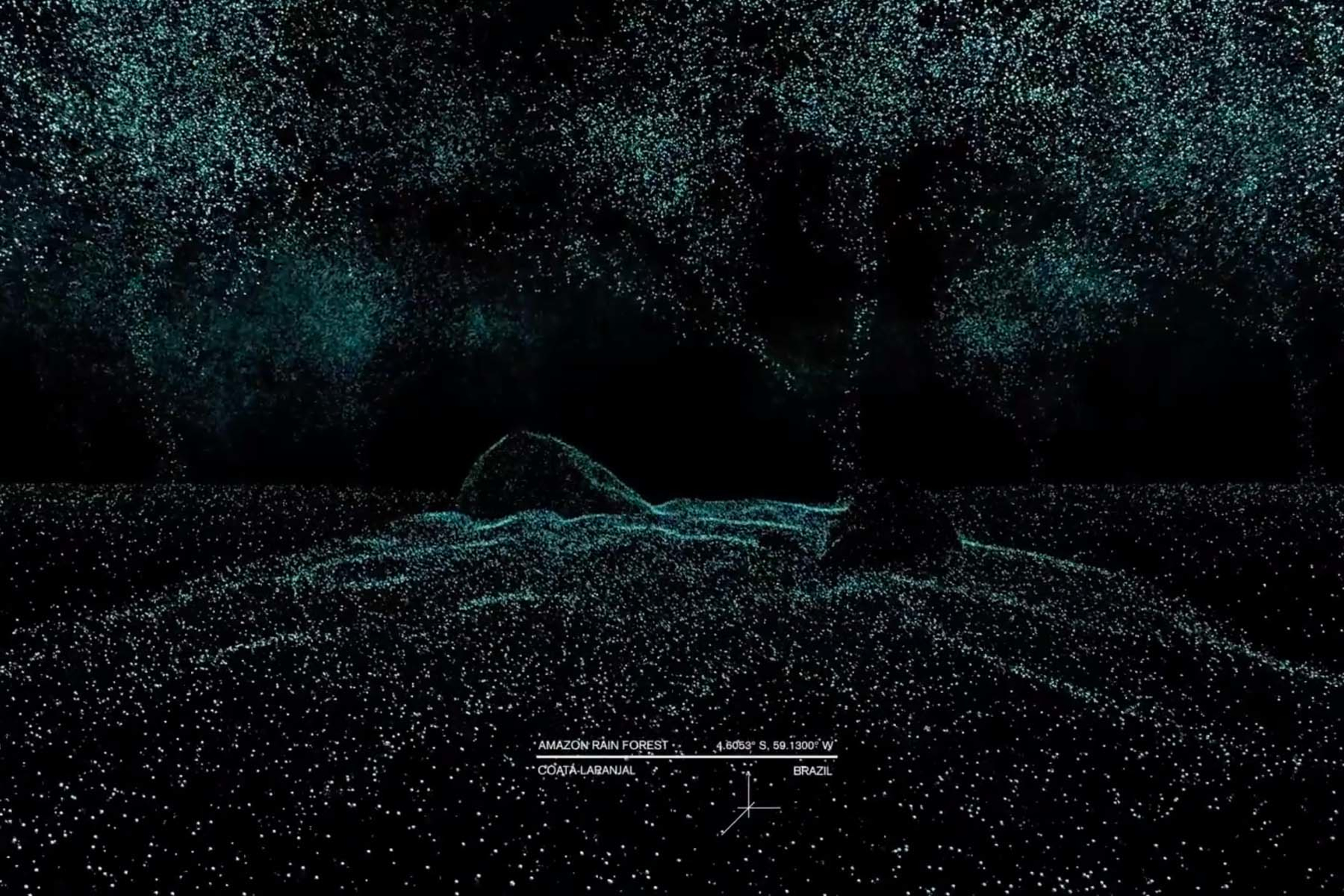
WPP’s 2024 case says AKQA Bloom created the Planetary Guardians positioning and identity with Earth Species Project. Machine learning translated sounds from species and ecosystems into 3D forms that became animated hero logos. The examples named are the Great Barrier Reef, Amazon Rainforest and Arctic Tern.
The identity is designed to evolve as further voices are represented. That makes the system more than a static logo refresh: the source material gives the brand a changing visual vocabulary, while designers determine the rules that make successive forms recognizably part of the same initiative.
Our reading: provenance gives a living identity its reason to change
An animated mark can be decorative. Here, the proposed reason for movement is specific: an ecological sound becomes a visual event. That provenance creates a useful editorial question for every new asset—what was heard, where, and how did it travel into this form?
The visual should not imply that a model has translated nature into a literal message. The strength is symbolic representation, not animal speech. Naming the source and the transformation helps preserve that distinction.
Production lesson: preserve the chain from recording to final frame
A sound-led identity needs a record of its inputs, permissions and transformations. Teams should retain the location, contributor or collection source where appropriate, model version, design selection and any acoustic treatment applied before visualization. Without that chain, a compelling shape risks becoming untethered from the ecosystem it claims to foreground.
Set human review criteria in advance: legibility, cultural sensitivity, accessibility and avoidance of false scientific implication. A flexible system needs constraints so each new form expands the identity rather than becoming visual noise.
Evidence boundary: an identity is not environmental evidence
The WPP case establishes the stated workflow and participating organizations. It does not establish that seeing the work changes environmental behaviour, nor does it publish a technical evaluation of the machine-learning method.
The case is useful as a documented design application of ML, not a claim that data visualization equals conservation. Measure learning, participation or support separately, and describe the identity as an invitation to attend to an ecosystem rather than as a diagnostic reading of it.
Sources & limits
WPP agency case study; documents the identity mechanism, not an independent measure of initiative impact.
- WPP — AKQA: Planetary Guardians — source publication date not stated.
Send a correction with the passage and supporting source.