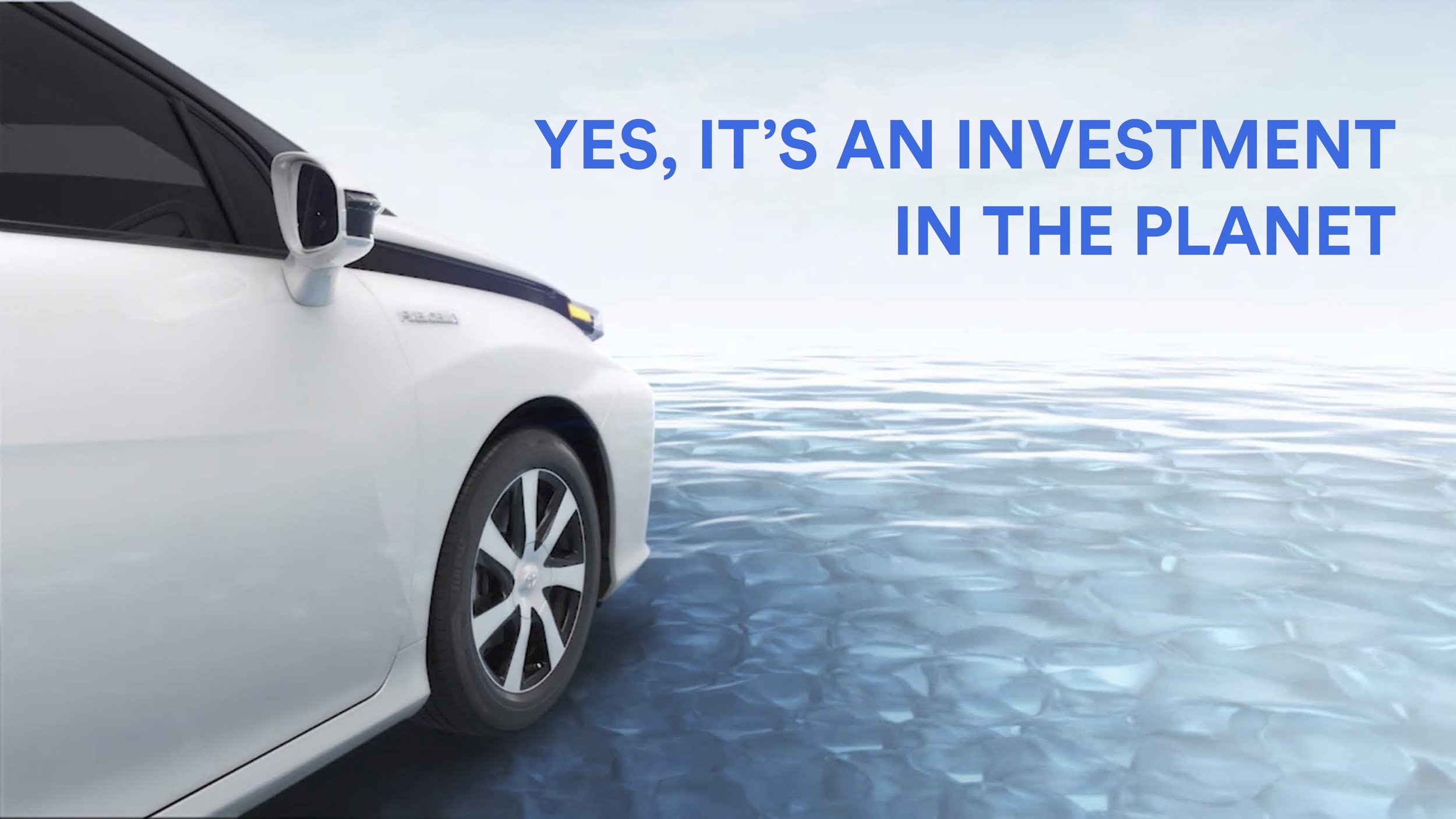
Start by separating the Toyota projects
IBM’s June 15, 2017 announcement about Prius Prime also quotes Saatchi & Saatchi on an earlier Mirai Facebook campaign using Watson-assisted advertising copy. It identifies Mirai separately from the RAV4 program. This entry covers Mirai; it does not merge the vehicles, their creative systems or their reported output counts.
The primary records checked here do not establish the proposed name “1000Dreams.” The descriptive title above avoids promoting that unverified label into a historical fact. The campaign year is supported, while an exact launch day remains unspecified.
Writing examples before writing variants
Participating copywriter and conceptual co-lead Amanda Wallace describes a workflow beginning with fifty human-written scripts, followed by Watson-assisted development with production partner Tool. Her portfolio includes imperfect copy attempts as well as campaign examples. This is evidence of text development inside a production process, not synthetic generation of every frame.
The interesting handoff is the reference material. Examples do more than establish grammatical form: they can also encode the level of specificity, rhythm and connection to a product. A team evaluating such a workflow should inspect the examples as carefully as the machine output, because apparent originality may depend heavily on what was supplied.
Personal relevance needs editorial limits
Addressing different interests creates a useful creative constraint: explain why the same product might matter from more than one point of view. It also creates a risk of decorative relevance, where an interest is mentioned without making the proposition more meaningful. More variants do not automatically mean more reasons to care.
A sensible review would ask whether each line remains intelligible without its targeting label, whether it makes a supportable product claim and whether the audience connection feels earned. Keep the targeting hypothesis separate from the wording. Otherwise, a team may blame weak copy on the audience segment, or credit good targeting for language that was never persuasive in the first place.
Archive the workflow, not a heroic number
The records use different quantities and headings for intended scripts, generated work and displayed examples. This entry does not reconcile them into a supposedly audited final total. Neither a portfolio nor a partner announcement supplies a controlled measure of commercial lift here.
What remains valuable is the evidence of iteration. Preserve an initial brief, representative drafts, selection decisions and the production-ready result, and a future reader can understand the division of labor. Without those intermediate artifacts, the phrase machine-written advertising hides more than it explains. Mirai offers a useful early copy-workflow case, provided its identity and evidence limits remain attached to it.
Sources & limits
Contemporaneous IBM release plus first-person creative portfolio; no reconciled final asset total or commercial lift
- The Weather Company and Toyota Drive First Cognitive Ads for Auto Industry — IBM — 15 June 2017.
- Toyota | Mirai Launch — Amanda Wallace, copywriter and conceptual co-lead — source publication date not stated.
Send a correction with the passage and supporting source.