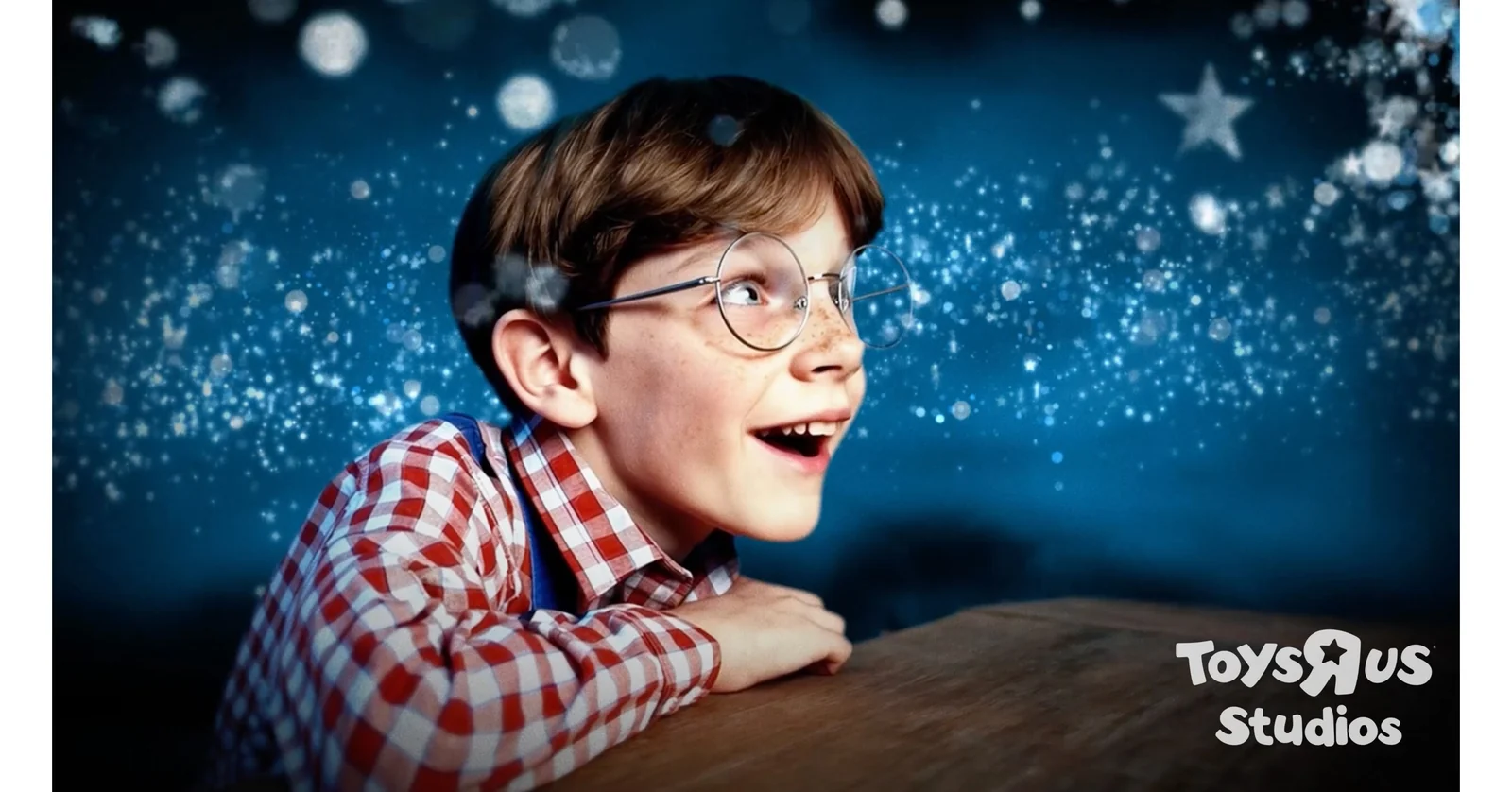
Reported production: generated footage, assembled film
The June 24 announcement describes an imagined young Charles Lazarus entering a dream world with Geoffrey the Giraffe. It credits director Nik Kleverov, executive producer Kim Miller Olko and composer Aaron Marsh. The release says Sora supplied nearly all of the visuals, with corrective effects work. That description matters: it identifies a production method without erasing the people responsible for shaping the finished piece.
Our reading: nostalgia needs a point of view
A dream is a useful frame for an image-making system because changes in scale and improbable spaces can belong to the story. But an invitation to imagine is not a reason to abandon dramatic clarity. The viewer still needs to understand whose desire carries the film and why this particular retailer owns the feeling.
The most demanding creative decision is therefore selection. Which image advances the child's discovery? Which merely demonstrates that another image can be made? A strong edit would protect a small number of emotional beats and let the surrounding spectacle serve them. More variation is not automatically more wonder.
The historical line worth keeping visible
An origin film sits awkwardly between advertising and company memory. Our recommendation is to label imagined scenes wherever a still or clip travels, not only in the original press release. A frame separated from its dream sequence can look more evidentiary than its makers intended.
That distinction also changes the approval process. Check factual assertions independently from the fantasy's visual continuity. The question is not whether a generated scene looks old enough, but whether an audience could mistake it for a documented event. A brand can invent a dream without inventing its archive. Clear framing gives the creative work room to be fanciful without asking viewers to treat it as proof.
Evidence boundary: production novelty is not audience response
The cited release is the brand's account of the production and its Cannes presentation. It supplies no independent finding about persuasion, sales or audience preference.
For a useful comparison, assess comprehension and brand attribution before asking which tool viewers think was used. Then examine the complete production effort, including rejected shots, continuity repairs, editing and sound. Those are proposed evaluation criteria, not tests reported here. The case earns a place in the archive because it exposes a new production arrangement; whether that arrangement made a better film remains a separate judgment.
Sources & limits
Brand-supplied production announcement; no independent effectiveness study
- Toys“R”Us Studios and Native Foreign use OpenAI's Sora to narrate the brand's origin story — 24 June 2024.
Send a correction with the passage and supporting source.