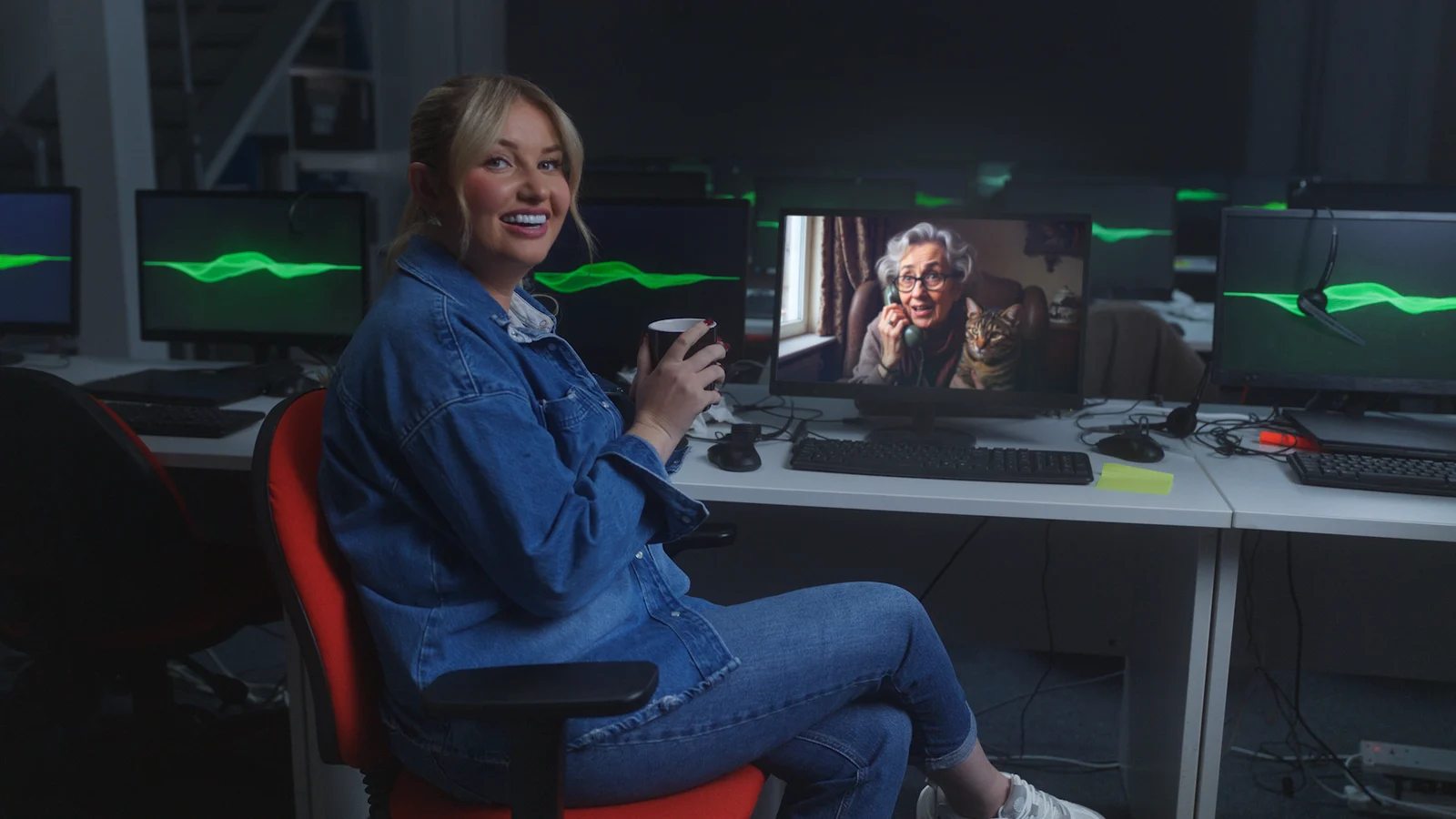
Reported execution: a character built to consume criminal attention
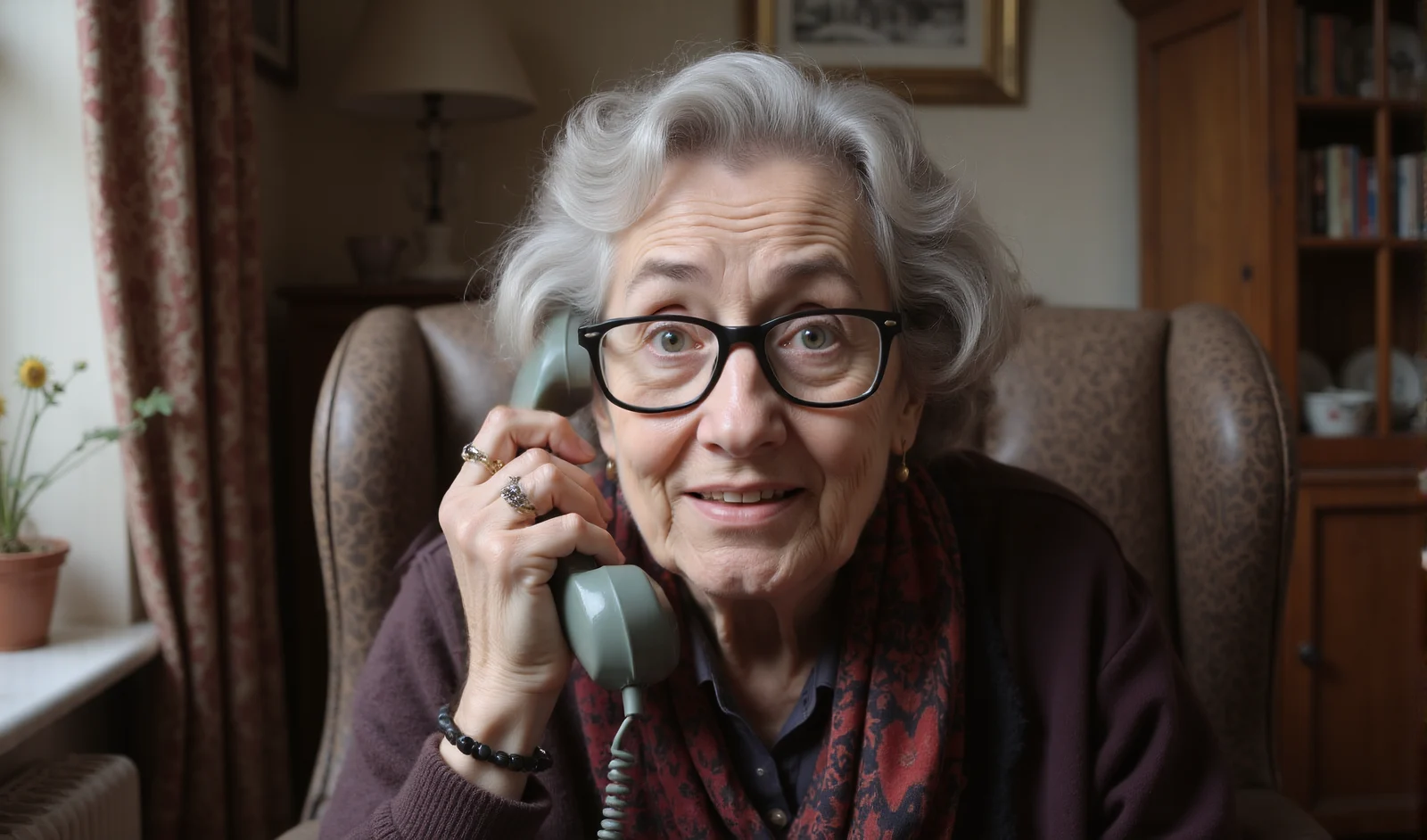
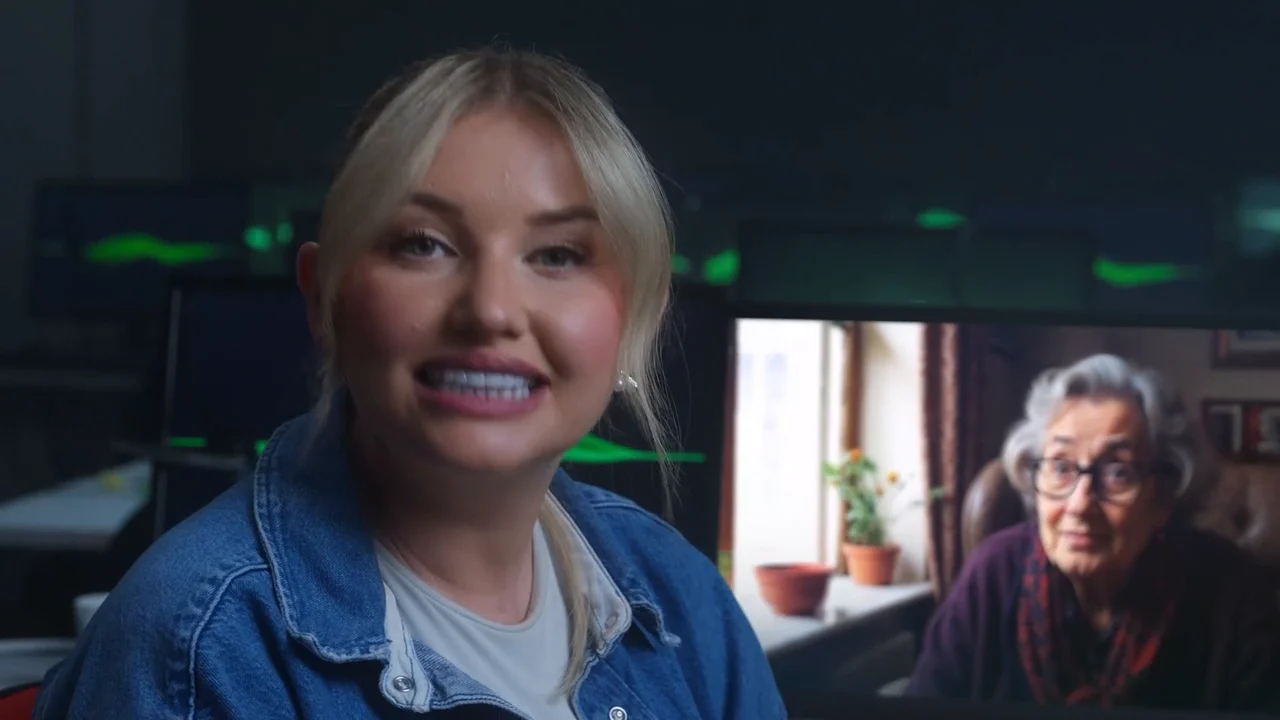
Virgin Media O2 unveiled Daisy on November 14, 2024 as part of its Swerve the Scammers work. The company describes a human-like AI 'granny' that answered fraudsters in real time with rambling conversation, aiming to keep a scammer occupied rather than leave a real customer exposed. It says the character was informed by work with scambaiter Jim Browning and had been taking calls in the preceding weeks.
The release gives an unusually useful functional outline. Incoming speech was transcribed, a custom language model with a personality layer generated an appropriate response, and a text-to-speech model returned a voice answer. O2 says this occurred in real time without creator input. The public-facing instruction was not for customers to imitate Daisy: it was to stay vigilant and report suspected texts and calls to 7726.
Our reading: the most effective role reversal is operational, not theatrical
Daisy works as an advertising character because the joke has a job. The familiar image of a chatty grandmother does not merely decorate an anti-fraud message; it explains why a long, purposeless conversation is strategically useful. By giving the scammer a target that cannot be exhausted or persuaded, the campaign turns the familiar pressure tactic back on its sender.
There is a crucial ethical boundary, though. A character that sounds plausibly vulnerable is a powerful device precisely because it exploits an assumption about older people. The campaign should not invite individuals to put themselves at risk by performing vulnerability. O2's report-and-block instruction is therefore as important as the Daisy film: the automation is presented as the specialist intervention.
Production lesson: defensive conversation needs a harm model before a personality
A conversational defence tool needs explicit permitted and prohibited behaviours: no genuine personal data, no promises, no instructions that could assist crime, no escalation of anger, and a route to end an interaction safely. The dialogue library, model rules, logging and incident review should be designed before writers make the persona charming. Brand voice is a safety control when it limits what the system can plausibly say.
Measure the operation separately from the film. Track connection and containment, termination causes, attempted data extraction, unsafe-output flags and the path from a reported number to blocking action. Those measurements can help a fraud team improve a service; they should not be confused with a creative case-study scorecard.
Evidence boundary: a vivid demonstration is not an independent fraud reduction study
The O2 release supports the date, stated architecture, stated campaign purpose and the company-reported examples of lengthy calls. It also contains research findings and operational claims from the company. This record does not treat those statements as proof that Daisy reduced fraud, that every conversation was safe, or that the character was indistinguishable from a person in all conditions.
An independent evaluation would need call samples, clear consent and legal review, a comparison with other intervention methods, and evidence on whether criminals shifted tactics or targets. The sound lesson is narrower: an AI campaign can be useful when the automated interaction has a defined defensive role and directs the public to safer human action.
Look closer / 3 source visuals
Inside the work.
Open a frame to inspect the details. Each caption links to its original source.

Sources & limits
Virgin Media O2's press release is first-party reporting on Daisy's stated design and campaign purpose; its claims about lifelikeness and time held are not independently audited here.
- Virgin Media O2 — O2 unveils Daisy, the AI granny wasting scammers' time — 14 November 2024.
Send a correction with the passage and supporting source.